
A loading routine should make the correct arrangement easy to repeat during a rush. The objective is to give staff a visible standard for each kind of ware, rather than relying on whoever happens to work the dish station.
Start with approved rack arrangements
Use the machine and rack manufacturer’s instructions to establish how plates, bowls, glasses and utensils should be positioned. Confirm which racks belong to which machine when a site has more than one washer. Similar-looking racks are not automatically interchangeable.
Take a photograph of an approved rack after the supervisor has checked it. Display that example near the loading area. A useful photograph shows spacing and orientation clearly; a crowded rack photographed from above may hide the details that matter.
Design the sorting area
Create separate landing places for the main types of dirty ware. Keep the flow towards the machine obvious and maintain the site’s separation between dirty and clean handling. If staff must search through mixed stacks to fill a rack, shortcuts become more tempting.
Agree what pre-scraping or preparation is required before loading. Keep the necessary tools within the designated work area, and follow the equipment and product instructions rather than inventing a universal soak procedure.
Check these three points
- Is the correct rack being used for this ware?
- Is the arrangement consistent with the approved example and equipment instructions?
- Are obvious obstructions, nesting or misplaced items present?
The person unloading can provide useful feedback. Record recurring food residue by rack type and position. A repeated pattern may help the supervisor or service technician investigate more efficiently.
Train with a real handover
Ask a new employee to explain and demonstrate the arrangement before working alone. Include unusual items that appear during events, such as large platters or unfamiliar glassware. If an item’s suitability is unclear, pause and consult the relevant instructions.
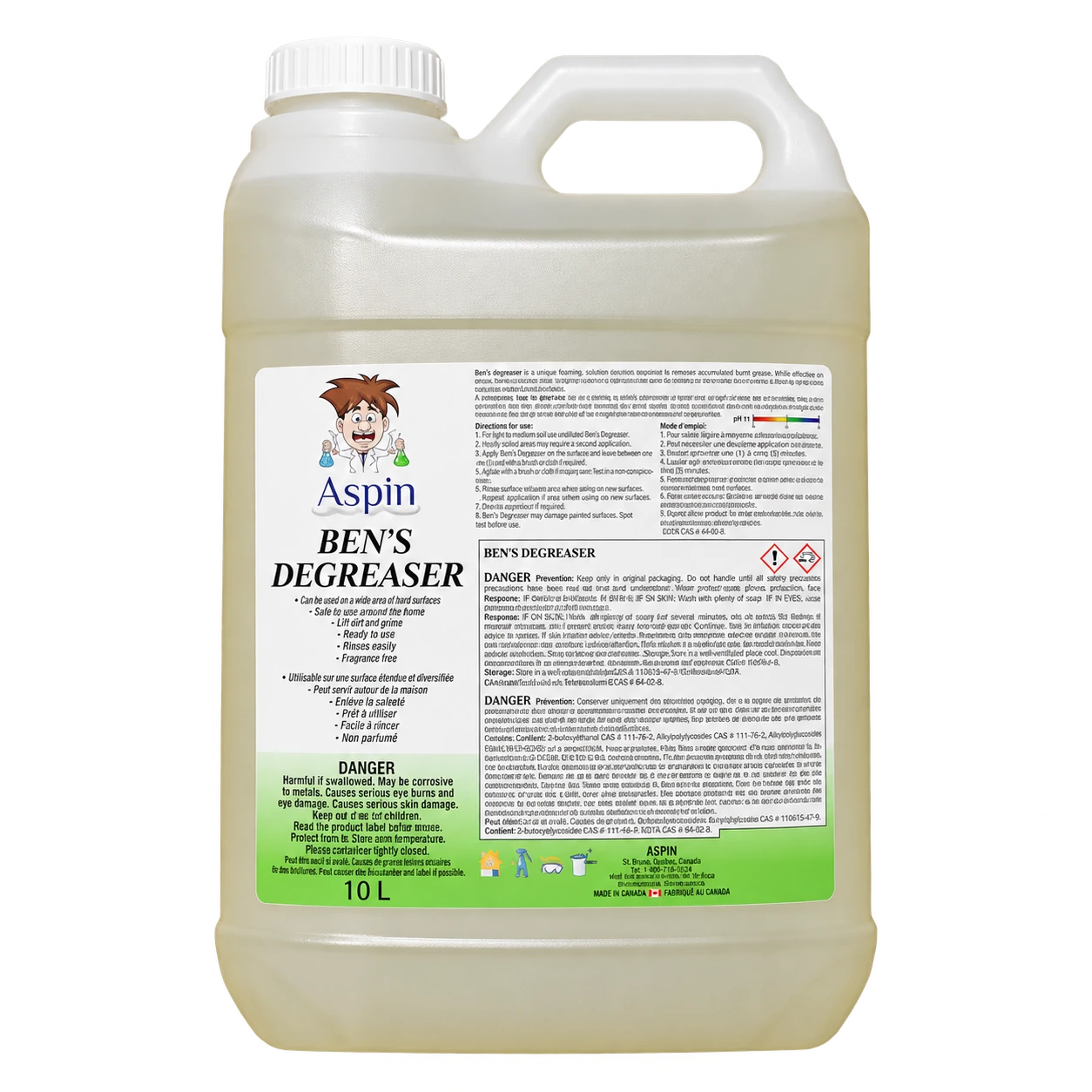
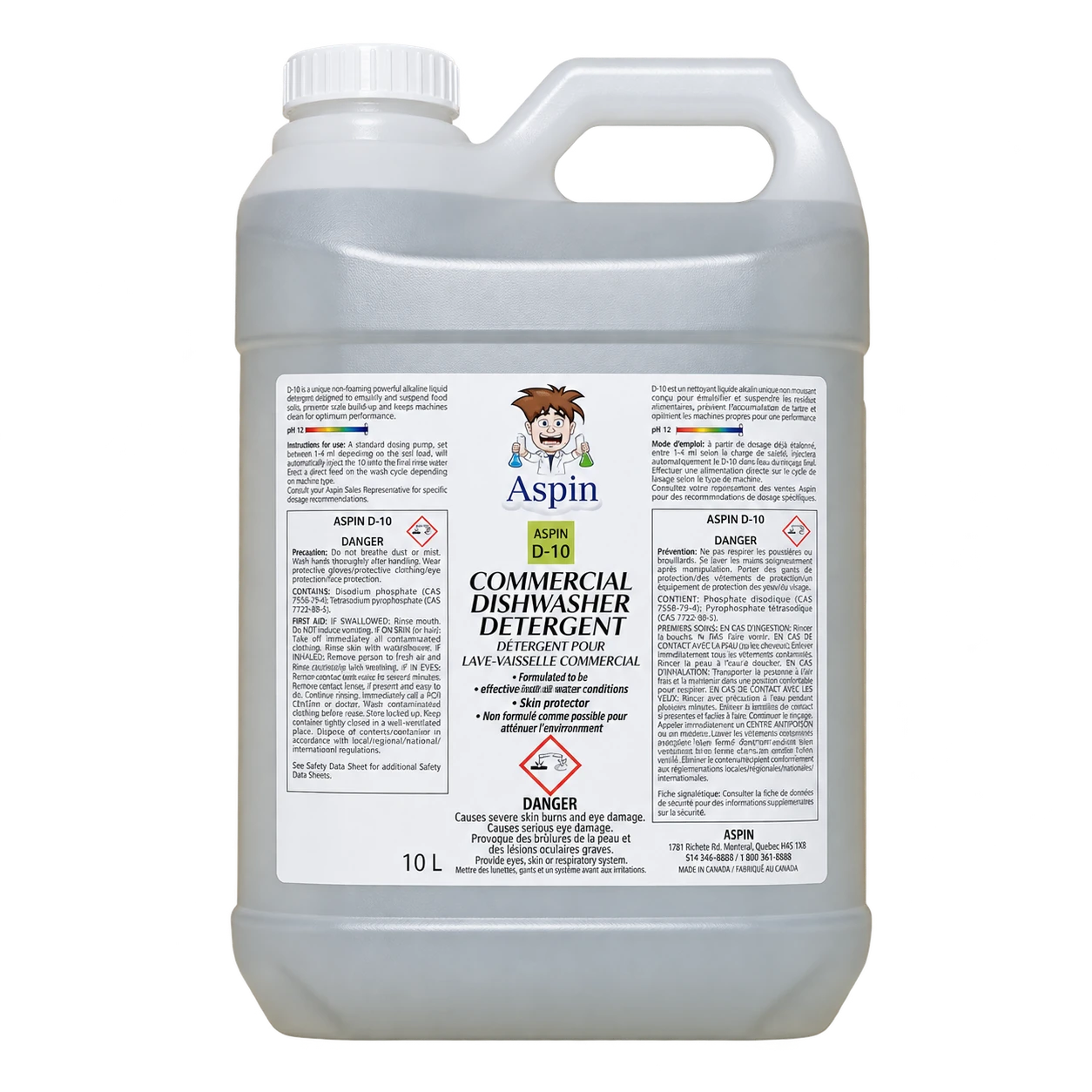
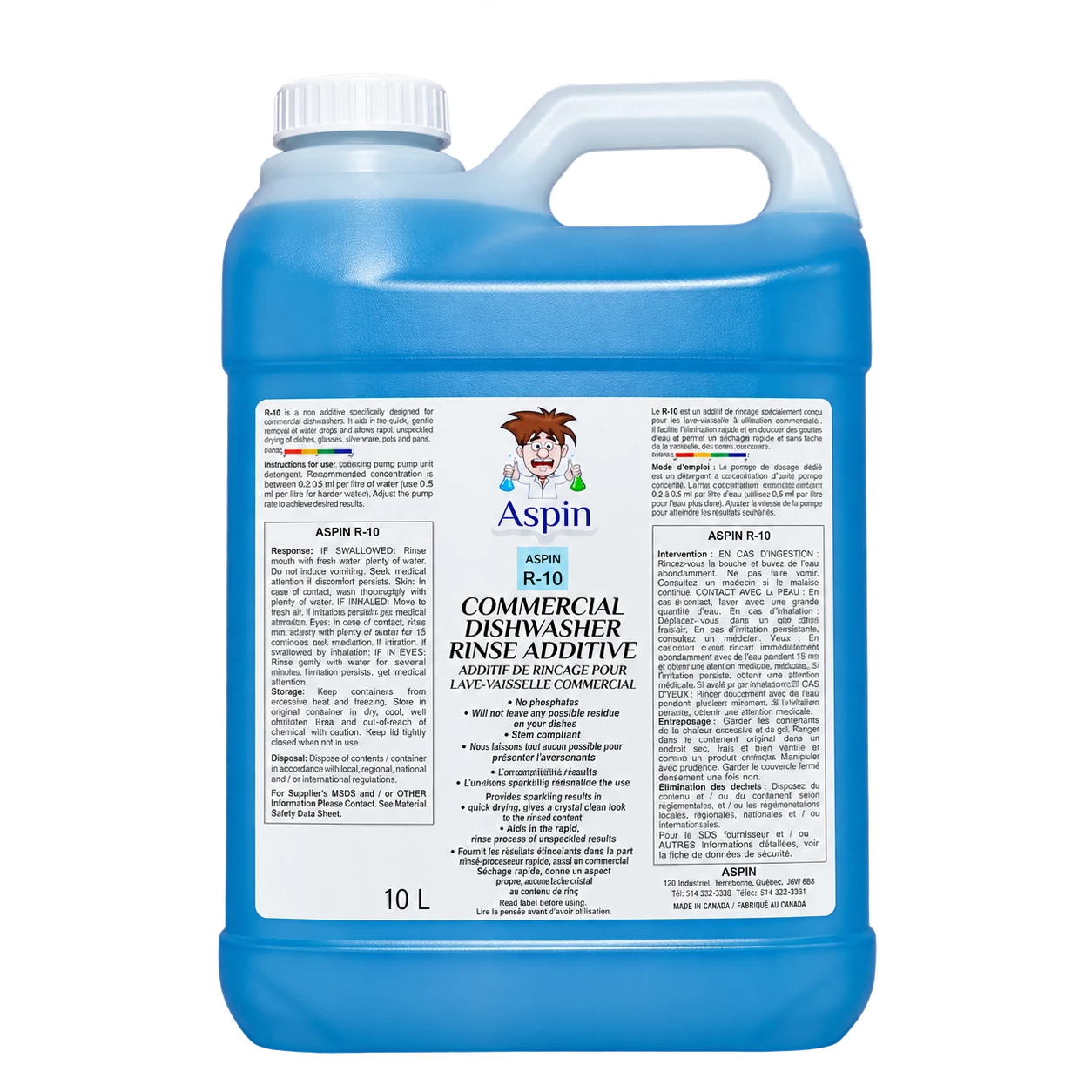
Review the routine after a rack replacement, menu change or new machine installation. Keep chemical selection separate from loading decisions; D-10 detergent and R-10 rinse additive each have their own role. For equipment questions, contact Aspin.