
Warewashing
A Better Commercial Dishwasher Loading Routine
Build a consistent loading routine for plates, cups and utensils. Reduce guesswork by matching racks and placement to the commercial dishwasher’s instructions.
Read the guideASPIN CLEANING GUIDES
Focused guides for commercial cleaning, warewashing, product selection and the routines that keep a business running.
100 guides
Warewashing
Build a consistent loading routine for plates, cups and utensils. Reduce guesswork by matching racks and placement to the commercial dishwasher’s instructions.
Read the guideBusiness Planning
Define the condition, scope and handover requirements for a commercial space before commissioning turnover cleaning.
Read the guidePurchasing & Supply
Check cleaning-supply deliveries against the order, product identity and packaging condition. Record discrepancies before stock enters the normal workplace supply.
Read the guideSurface Care
Assign cleaning tools to defined work zones with a written key, labelled storage and a return process. Make task boundaries clear across shifts and new starters.
Read the guideWarewashing
Give the next shift a useful dishwasher handover. Record cleaning completion, low supplies and unresolved problems using the installed machine’s instructions.
Read the guideDegreasing
Write a grill-cleaning plan around the appliance manual, surface material and approved product. Separate preparation, cleaning and release back to the kitchen.
Read the guideRinse & Finish
Standardise how staff describe washed ware. Use consistent lighting, rejection categories and records while keeping visual appearance separate from process verification.
Read the guideKitchen Operations
Check the handover, work areas and supplies before preparation begins. Use a short route that makes unresolved issues visible.
Read the guideEquipment & Service
Use the equipment handover to collect operating instructions, support details and clear responsibilities before the new machine enters normal service.
Read the guideBusiness Planning
Understand common purchasing and warewashing terms so product conversations stay clear about function, format and supporting information.
Read the guideSurface Care
Create an office cleaning task sheet that distinguishes furniture, touchpoints, floors and electronics. Assign products by permitted use and leave a clear record of exceptions.
Read the guideTeam & Process
Create a small shared issue board that gives each unresolved task an owner, next action and review time across shift changes.
Read the guideRinse & Finish
Prepare a focused water-quality discussion for commercial warewashing. Gather existing reports and equipment details before linking a visible dishwashing issue to the water.
Read the guideTeam & Process
Use a short weekly review to connect missed tasks, rework, supplies and service issues with specific improvements for the next week.
Read the guideProduct Documentation
Use a substitution record to assess a different cleaner before it enters routine work. Connect the product decision to surfaces, equipment, documents and staff instructions.
Read the guideProduct Documentation
Prepare a supplier enquiry with the exact product, application and document reference. Ask a focused question and keep the answer with the workplace’s task record.
Read the guideProduct Documentation
Review container suitability, identification and the approved transfer method before decanting a cleaner. Keep the decision within the workplace’s chemical-handling programme.
Read the guideDegreasing
Create a practical kitchen surface inventory that records materials, finishes and approved cleaning methods. Use it to prevent product selection by appearance alone.
Read the guideKitchen Operations
Turn a long list of cleaning jobs into a schedule with clear ownership, workable timing and a way to record exceptions.
Read the guideBusiness Planning
Build a cleaning budget from recurring tasks, supplies, labour and equipment support, with visible assumptions for workload and one-off projects.
Read the guideSurface Care
Group routine cleaning tasks by compatible surface and soil. Create a clear product plan so a multi-surface cleaner does not become an automatic choice everywhere.
Read the guidePurchasing & Supply
Estimate chemical cost per 100 racks using a defined observation period and separate detergent and rinse-additive records. Avoid comparing container prices alone.
Read the guideTeam & Process
Use explanation, supervised practice and realistic questions to check that staff understand an approved cleaning task before working independently.
Read the guidePurchasing & Supply
Choose package size using consumption, storage and the approved handling system. A larger container is useful only when the operation can receive and use it appropriately.
Read the guideBusiness Planning
Compare commercial cleaning suppliers by product fit, documentation, supply arrangements and practical support for your operation.
Read the guideWarewashing
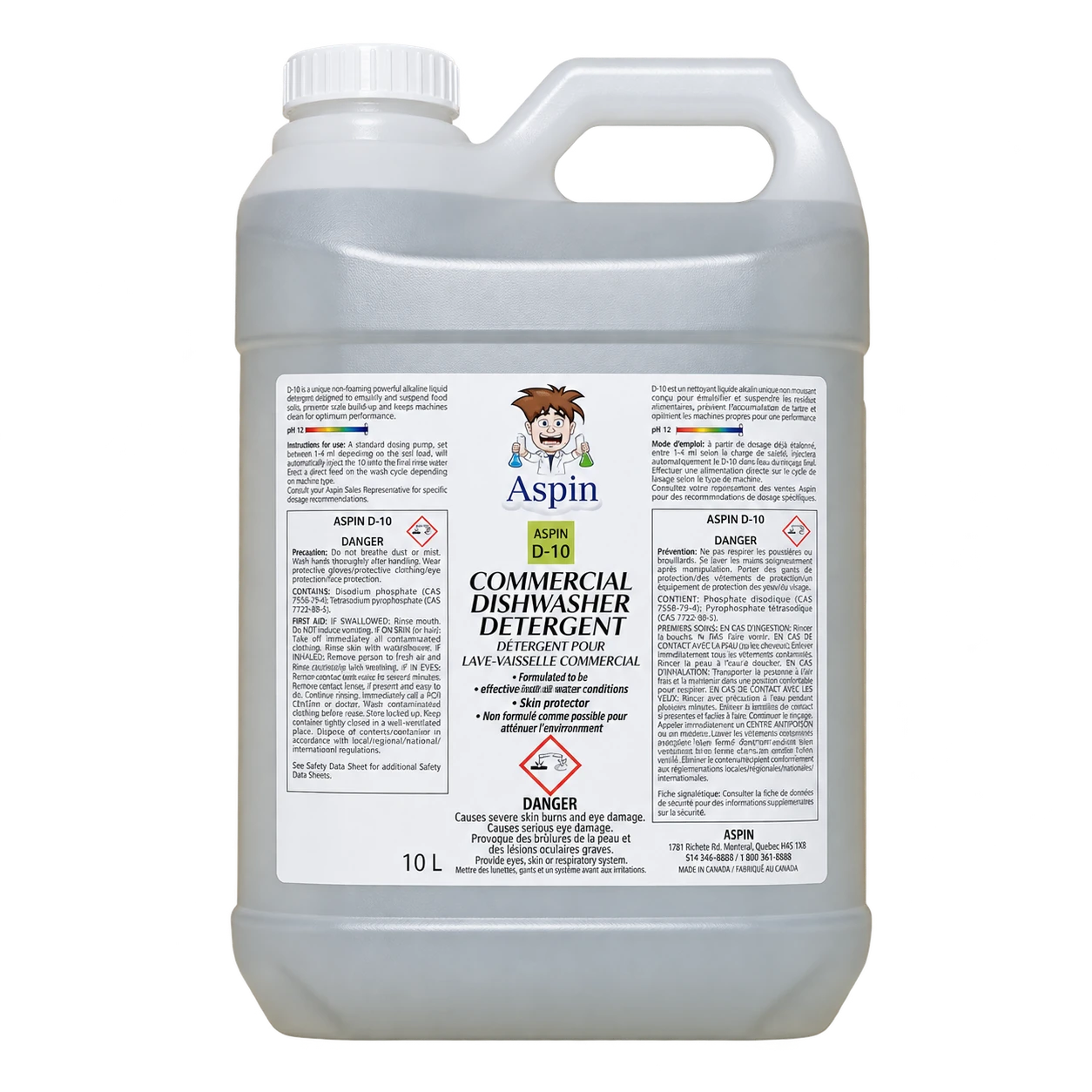
Choose commercial dishwasher detergent by machine, soil and dispensing setup. Use this practical checklist before changing your kitchen’s chemical supply.
Read the guideRinse & Finish
Create a rack specification using the machine and glassware dimensions. Include handling and storage needs so replacement racks support the whole glasswashing routine.
Read the guideKitchen Operations
Prepare an event-specific cleaning handover that covers changing room layouts, dish returns, temporary supplies and the final reset.
Read the guideKitchen Operations
Give each closing task an owner, a completion check and a clear route for unfinished work so that the next shift can start reliably.
Read the guideRinse & Finish
Distinguish a glassware complaint from a confirmed cause. Build a record of when haze appears, which glasses are affected and what changed in the operation.
Read the guideBusiness Planning
Compare cleaners using their intended application, instructions, dispensing needs and documentation instead of relying on the word commercial alone.
Read the guideWarewashing
Create an opening checklist tied to your machine’s instructions. Confirm readiness, supplies and reporting before the first busy period of service.
Read the guidePurchasing & Supply
Compare concentrate costs using the same unit and the product’s actual approved instructions. Keep solution cost separate from labour, equipment and task performance.
Read the guidePurchasing & Supply
Compare supplier quotes using the same product scope, units and service assumptions. Make substitutions and exclusions visible before judging the lowest total.
Read the guidePurchasing & Supply
Compare concentrate and ready-to-use supply by task, preparation needs and total cost. Confirm the actual product instructions instead of assuming one format is always better.
Read the guideTeam & Process
Keep task sheets, product references and training materials aligned when a cleaning method changes, with a simple approval and revision record.
Read the guideProduct Documentation
Build a chemical inventory that records identity, location and ownership. Use the review to find missing information without moving or disposing of products informally.
Read the guideWarewashing
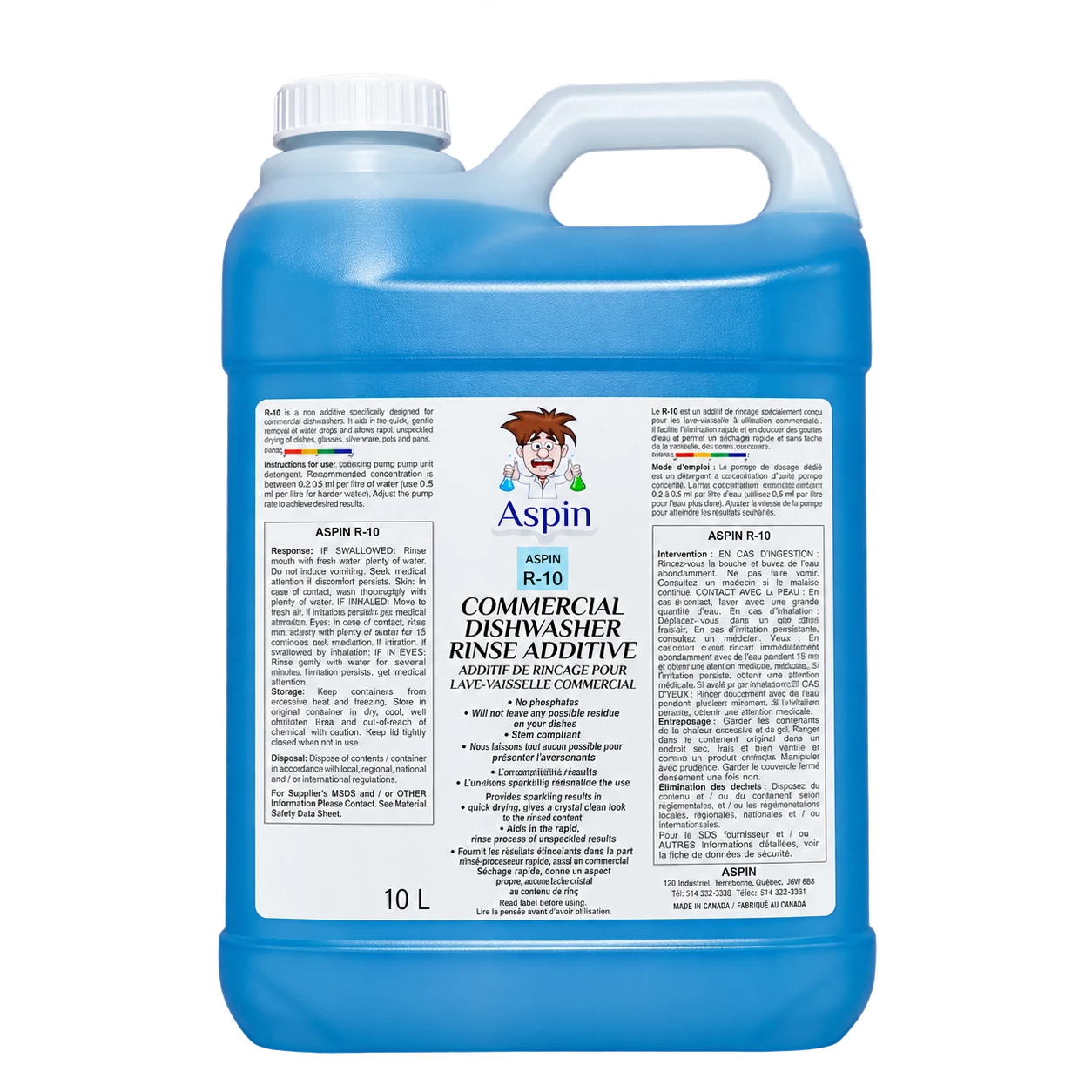
Understand the different roles of commercial dishwasher detergent and rinse additive, and organise product identification around the machine’s wash and rinse stages.
Read the guideTeam & Process
Estimate task labour with observed time, clear assumptions and separate records for preparation, the task itself and returning the area to use.
Read the guideRinse & Finish
Plan a rinse-additive evaluation around comparable ware, documented service and practical results. Agree success criteria before changing the installed supply.
Read the guidePurchasing & Supply
Plan seasonal cleaning stock using workload indicators, delivery lead time and known events. Separate recurring demand from one-off purchases and assumptions.
Read the guideProduct Documentation
Make a chemical-task handover practical: identify the product, locate the instructions and demonstrate the approved workflow. Keep it within the workplace training programme.
Read the guideProduct Documentation
Create a clear response for an unreadable or missing cleaning-product label. Keep uncertain products out of routine use until identity and required information are resolved.
Read the guideDegreasing
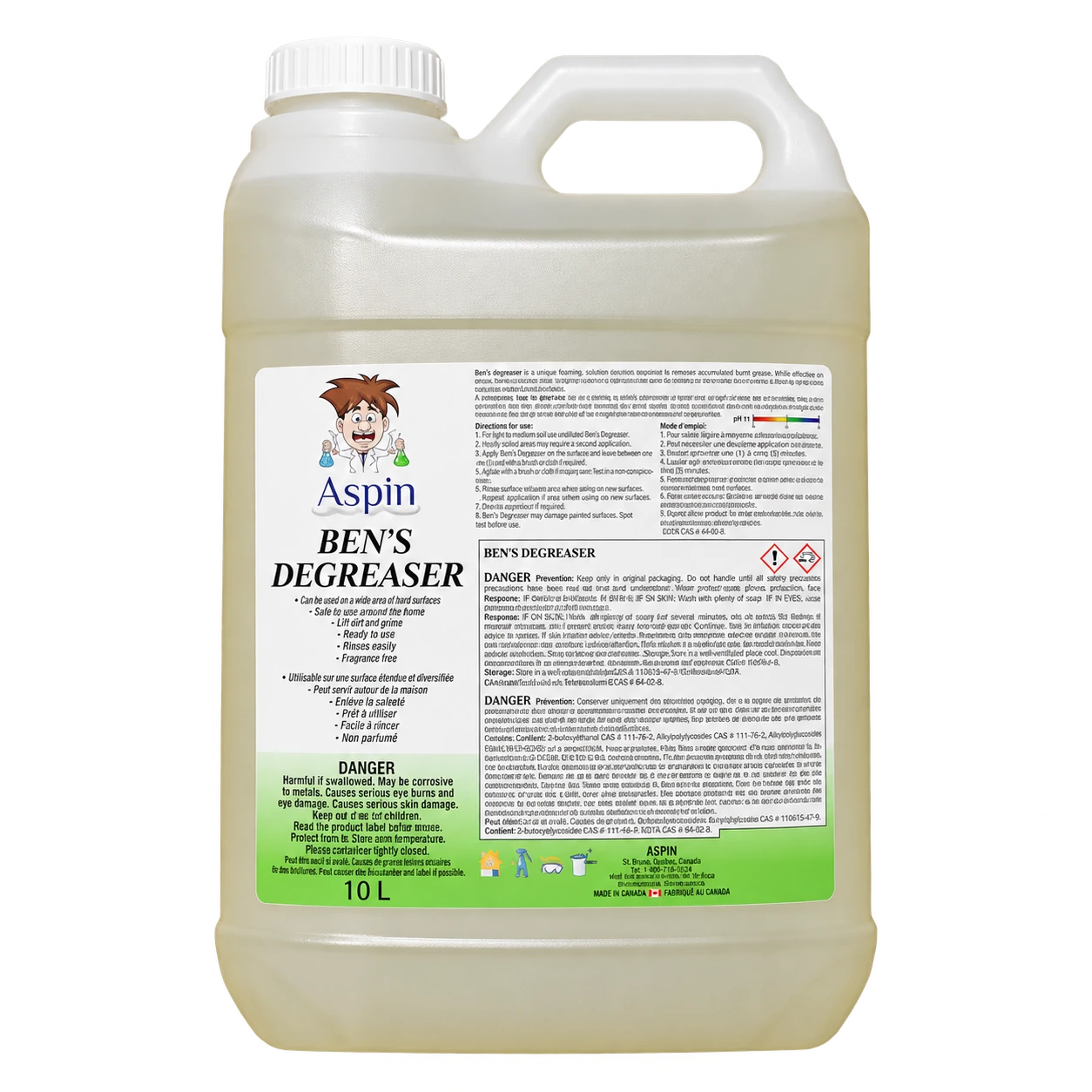
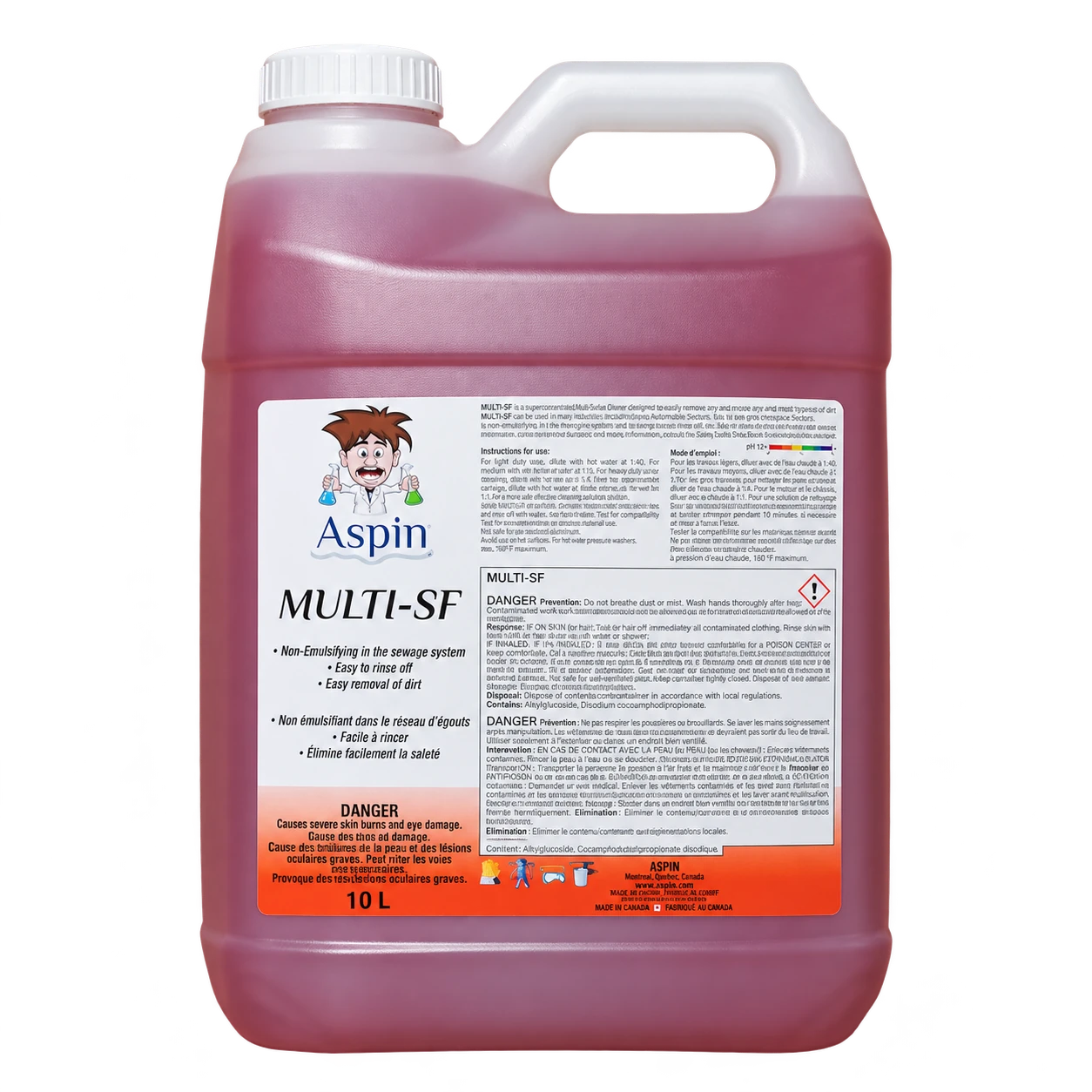
Match the cleaner to the soil and compatible surface. Compare heavy grease removal with routine cleaning before choosing Ben’s Degreaser or Multi-SF.
Read the guideDegreasing
Run a controlled degreaser evaluation with defined surfaces, approved instructions and documented results. Compare the whole task rather than judging only the first visual change.
Read the guideSurface Care
Investigate visible floor-cleaning residue with a record of the floor, product instructions, tools and process. Keep traffic controls in place while the issue is assessed.
Read the guideDegreasing
Separate routine accessible-surface cleaning from specialist exhaust-system work. Create a clear scope so a kitchen degreasing task does not expand beyond staff training.
Read the guideTeam & Process
Support a multilingual team with clear wording, reviewed translations and consistent visual references tied to the current approved procedure.
Read the guideTeam & Process
Separate rework, unused solution, damaged supplies and packaging so waste-reduction efforts target a specific, measurable problem.
Read the guidePurchasing & Supply
Create a supplier onboarding record covering products, documents, ordering, delivery and support. Keep the product transition separate from the commercial account setup.
Read the guideDegreasing
Prepare a fryer-cleaning task without relying on a generic chemical recipe. Define authorised work, equipment instructions, waste handling and return-to-service checks.
Read the guideProduct Documentation
Build an SDS register around product identity, document location and ownership. Test whether staff can find the right record during the work they actually perform.
Read the guideKitchen Operations
Design a compact café cleaning routine around limited storage, shared workspaces and the transitions between busy service periods.
Read the guideSurface Care
Create a practical cloth system with clear task assignments, collection points and care instructions. Avoid relying on colour alone to communicate where a cloth belongs.
Read the guideEquipment & Service
Build a maintenance calendar from the equipment instructions and service advice, with a clear distinction between operator care and specialist work.
Read the guideKitchen Operations
Spread periodic cleaning across realistic access windows while keeping daily work and specialist maintenance clearly assigned.
Read the guideSurface Care
Organise retail cleaning around access, traffic and task boundaries. Separate quick routine work from jobs that need a controlled area or a quieter operating window.
Read the guideBusiness Planning
Build a restaurant's initial cleaning-supply list around equipment, surfaces, approved procedures and the first weeks of operation.
Read the guideWarewashing
Map the busiest dishwashing window using actual rack demand, handling time and clean-storage needs. Find workflow bottlenecks before assuming a new machine is required.
Read the guidePurchasing & Supply
Prepare a shortage response with named contacts, approved alternatives and an operating decision route. Avoid introducing an unfamiliar product during a busy shift.
Read the guideEquipment & Service
Define who makes operating decisions, how faults are escalated and which pre-approved alternatives are available when a dishwasher cannot be used.
Read the guideDegreasing
Plan vertical-surface degreasing around access, adjacent materials and runoff. Confirm the approved product and method before treating a large area.
Read the guideRinse & Finish
Organise the clean side of a dish station around drying, handling and storage. Use the equipment instructions and your food-safety procedures to define the workflow.
Read the guideRinse & Finish
Build a separate observation routine for plastic ware. Check item suitability, rack instructions and handling before comparing its drying result with glass or ceramic.
Read the guideWarewashing
Organise pre-scraping as a clear step in the dish station. Define responsibility, tools and feedback before changing equipment or chemical settings.
Read the guideProduct Documentation
Prepare spill-response responsibilities before an incident. Use product details, SDS information and workplace assessment to define who responds and when specialist help is needed.
Read the guideEquipment & Service
Give the installer a clear description of the site, intended equipment and project constraints so suitability can be assessed before work is scheduled.
Read the guideEquipment & Service
Coordinate access, site contacts and operating restrictions before an equipment visit so the provider can assess or perform the agreed work efficiently.
Read the guideEquipment & Service
Give a service provider a concise equipment history, clear symptoms and useful photographs so the first conversation starts with the right information.
Read the guideWarewashing
Plan a commercial dishwasher detergent change with product records, service coordination and a clear staff handover. Avoid mixing a supply change with undocumented adjustments.
Read the guideProduct Documentation
Understand how a product label and safety data sheet support different parts of a cleaning task. Match both documents to the exact product in use.
Read the guideEquipment & Service
Prepare a practical question list about equipment, installation, service and end-of-term responsibilities before evaluating any lease proposal.
Read the guideBusiness Planning
Prepare specific questions about intended use, documentation, product changes and support when evaluating a cleaning-product manufacturer.
Read the guideEquipment & Service
Clarify attendance, included work, exclusions and approval responsibilities before relying on a commercial dishwasher service arrangement.
Read the guideBusiness Planning
Keep clear sourcing records that distinguish a manufacturer's location, product manufacturing information and the wording of any origin claim.
Read the guideKitchen Operations
Prepare a patio reopening brief covering stored furniture, surface identification, access and the handover before guests return.
Read the guideEquipment & Service
Compare repair and replacement using documented condition, downtime, operating needs and complete proposals rather than purchase price alone.
Read the guideBusiness Planning
Use an annual review to reconcile tasks, products, equipment and records with the way the business now operates.
Read the guideEquipment & Service
Close a service job with clear findings, operator instructions and follow-up checks so the next shift understands the machine's status.
Read the guideProduct Documentation
Give new SDS versions an owner and a review route. Confirm product identity, record the update and assess whether workplace instructions need a corresponding change.
Read the guideDegreasing
Schedule kitchen degreasing around equipment availability, preparation and return-to-use checks. Make the full task visible before assigning a closing-time deadline.
Read the guideSurface Care
Keep food-contact tasks distinct from general cleaning. Identify the required process and approved products instead of assuming that a clean-looking surface is ready for food.
Read the guideSurface Care
Separate cleaning tasks for workshop areas, customer spaces and vehicle surfaces. Match products to their intended use without extending a general cleaner to specialist work.
Read the guidePurchasing & Supply
Set a cleaning-supply reorder point using observed consumption, delivery lead time and a stated buffer. Review it when demand or supplier arrangements change.
Read the guideSurface Care
Equip a cleaning cart for a specific route, with identified products, assigned tools and separate return arrangements. Avoid carrying supplies that have no approved task.
Read the guideTeam & Process
Track product use with consistent units, a clear stock boundary and workload notes so changes can be investigated meaningfully.
Read the guideSurface Care
Identify the stainless-steel surface, finish and equipment instructions before choosing a cleaner or tool. Keep routine cleaning separate from repair or refinishing.
Read the guideTeam & Process
Create common document structures and reporting rules while allowing each location's equipment, surfaces and operating constraints to be assessed properly.
Read the guideDegreasing
Make cleaning photographs useful for internal review. Keep lighting, viewpoint and task records consistent without treating images as proof of safety or sanitizing.
Read the guideWarewashing
Use a simple rewash log to identify recurring dishwashing problems. Separate food residue, drying concerns and handling errors before choosing a response.
Read the guideWarewashing
Understand why a commercial machine detergent is a separate product choice. Keep product identification clear and investigate unexpected foam without improvised additives.
Read the guideRinse & Finish
Record the pattern behind dishwasher water spots. Compare ware, rack position and recent changes before requesting adjustments to the rinse system.
Read the guideKitchen Operations
Create a cleaning record that identifies the equipment, the method used and any unresolved condition without turning every task into paperwork.
Read the guideRinse & Finish
Give your service provider a clear record before a rinse-additive adjustment. Capture the symptom, machine and operating pattern without guessing at a dose.
Read the guideDegreasing
Investigate recurring carbon buildup as a defined equipment-cleaning problem. Record location, task timing and results before repeatedly escalating chemical treatment.
Read the guideRinse & Finish
Measure repeated glassware polishing as a workflow issue. Separate appearance complaints, handling practices and service expectations before changing the wash process.
Read the guideKitchen Operations
Investigate repeat cleaning problems by separating the required result, actual method, access constraints and follow-up evidence.
Read the guideBusiness Planning
Give cleaning contractors a consistent scope that defines areas, frequencies, access and responsibilities so their proposals can be compared fairly.
Read the guideTeam & Process
Turn an approved cleaning method into a clear task sheet with a defined scope, practical sequence and visible completion criteria.
Read the guideKitchen Operations
Describe what you observed, where it occurred and what needs follow-up. Clear observations make a cleaning review easier to act on.
Read the guideNo guides match your search. Try a different word or choose another topic.