



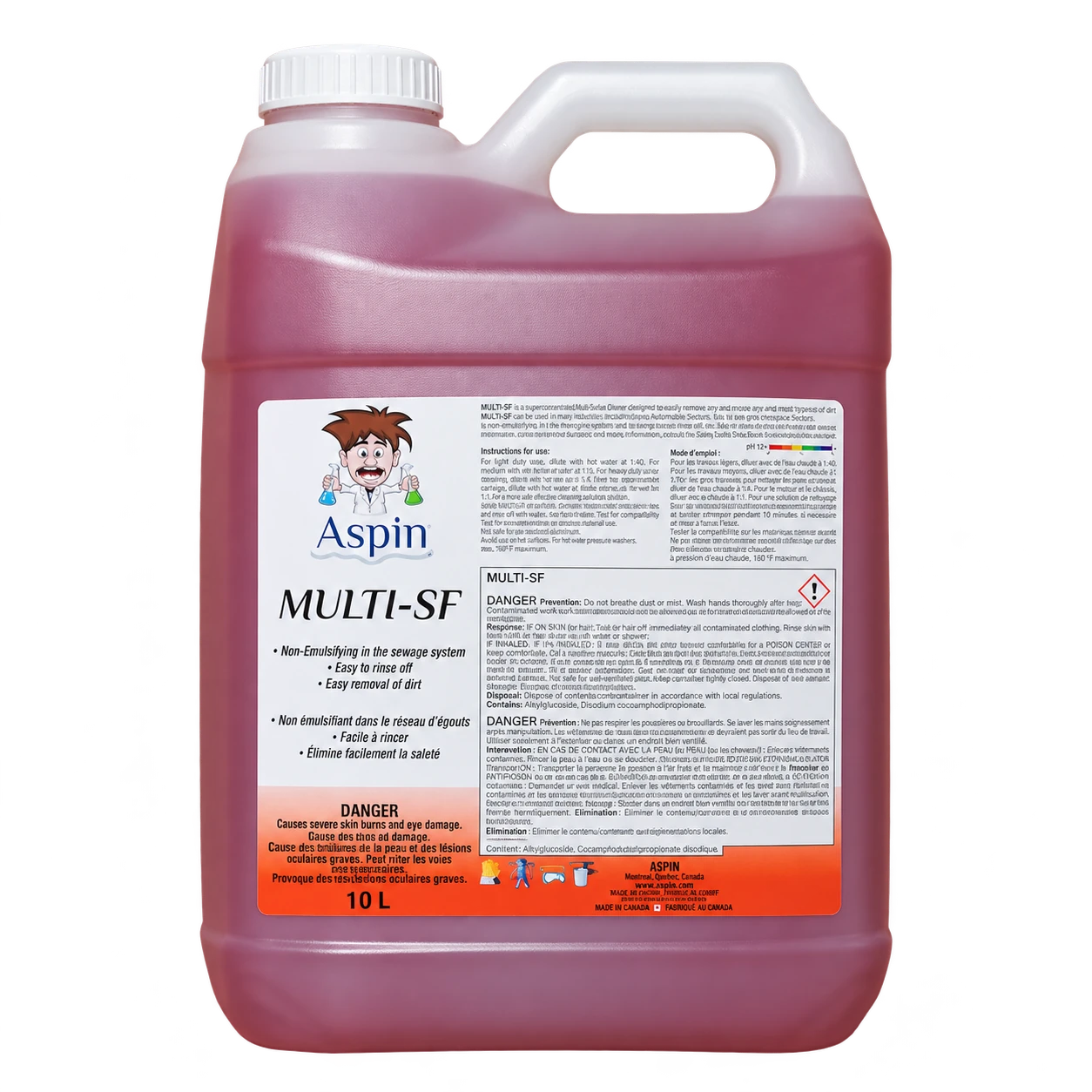
A surface inventory is a small document with a useful purpose: it connects each cleaning task to the material and instructions that govern it. Begin with the equipment and areas where the team most often asks which product to use.
Give each item a clear identity
Use a name staff recognise, such as “grill exterior, left station,” and add the equipment make and model where relevant. A photograph can help locate the item, but the material identification should come from reliable documentation or the supplier.
Break a complex item into separate cleaning surfaces. A single appliance may include metal panels, painted parts, controls, seals and other components. One cleaning method may not be suitable for every part.
Record the source of the instruction
Use these columns in a spreadsheet or printed sheet:
- Item and exact surface.
- Material or finish.
- Manufacturer’s cleaning instruction reference.
- Approved product and task.
- Preparation and rinsing requirements.
- Restrictions and items needing clarification.
- Review date and responsible person.
Avoid filling an unknown field with a guess. “Awaiting equipment supplier confirmation” is a useful status because it makes the unresolved decision visible.
Connect the inventory to the cleaning schedule
The schedule should point to the relevant inventory entry rather than repeating a long set of instructions in every row. Staff then have one place to check the approved method when a task changes or a new employee starts.
For example, a routine wipe of an exterior panel and heavy grease removal from a cooking surface should appear as separate tasks if their permitted methods differ. This prevents a product from spreading informally to unrelated uses.
Review when equipment changes
Update the entry after replacement parts, refinishing, a new appliance or a change in product. Retain the previous version in the maintenance record when it explains past decisions.
Compare heavy-duty and everyday cleaning before selecting a product. For Ben’s Degreaser, check the current safety information carefully and keep its material restrictions attached to the task, not merely to the storeroom shelf.