

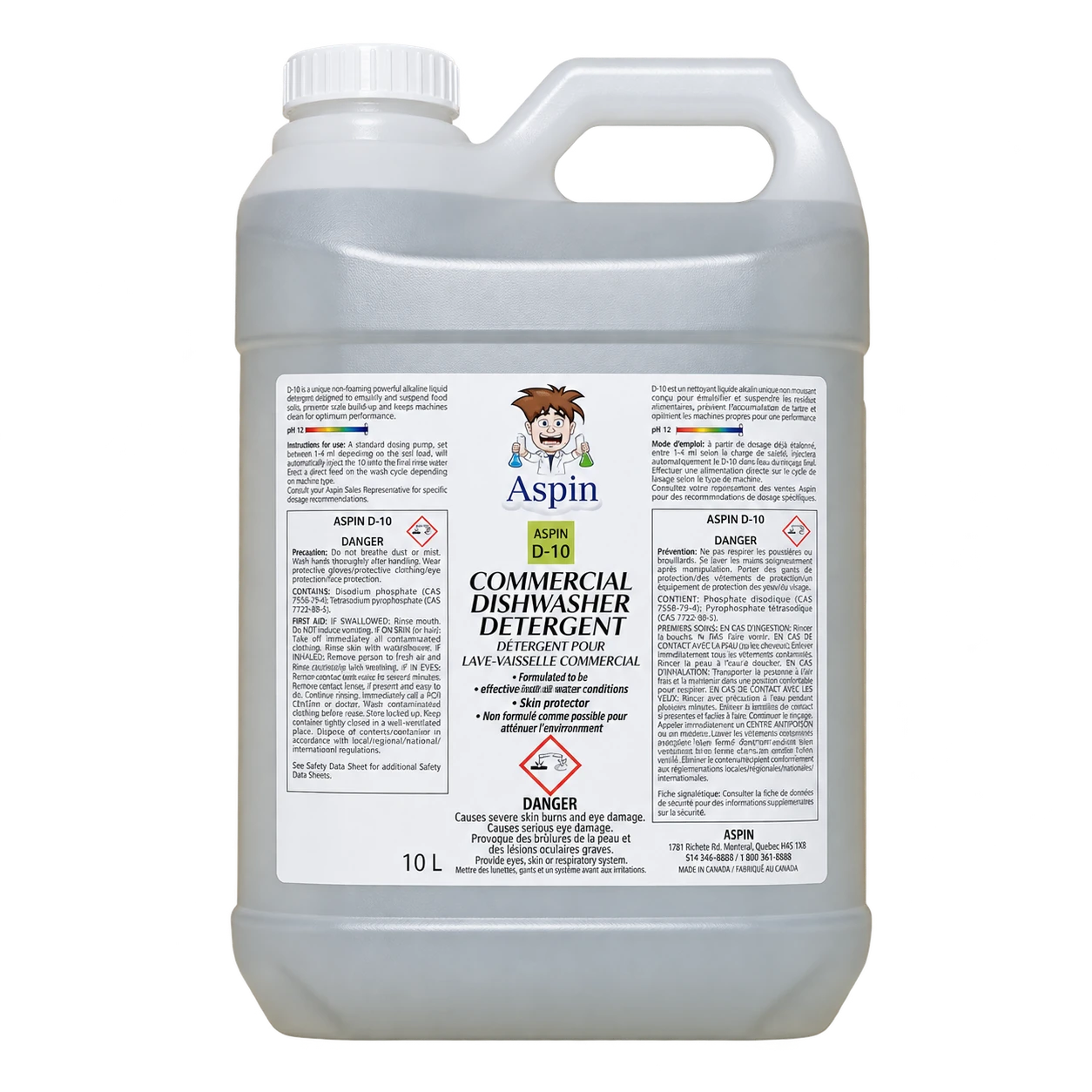
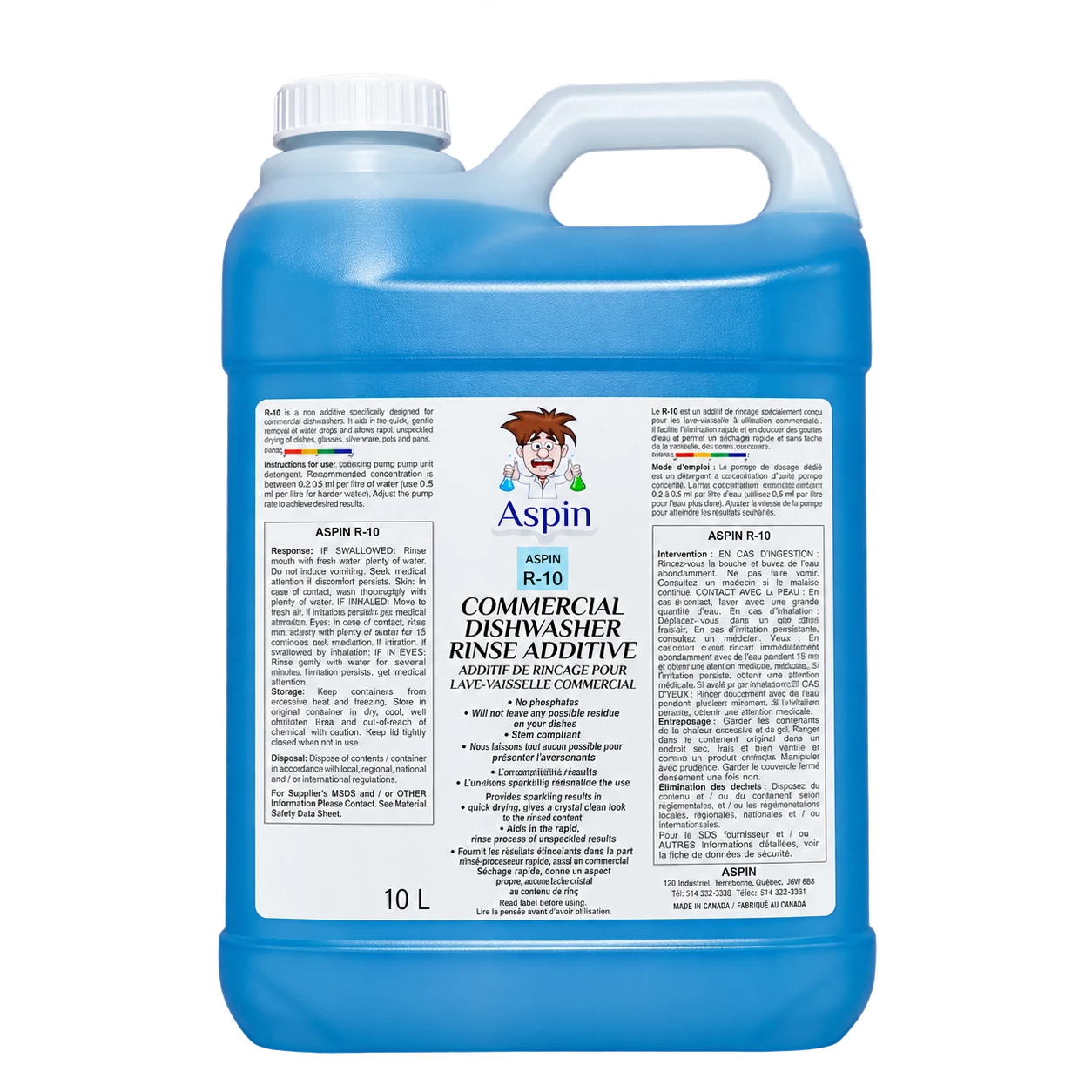
A reorder point answers a practical question: when should the next order be placed? It is different from the quantity ordered. Keep those two decisions separate so staff can identify a low-stock trigger without guessing how much to buy.
Measure a useful consumption rate
Choose a consistent stock unit, such as sealed containers, and record use over representative operating periods. Include known seasonal changes and unusual events. A quiet week should not be the sole basis for the busiest month’s plan.
Keep product identities separate. A detergent container and a rinse-additive container may be the same size but serve different functions and be consumed at different rates.
Combine usage and lead time
A simple planning formula is: reorder point = expected use during delivery lead time + chosen buffer stock.
For an illustrative example, a site using three sealed units per week with a two-week replenishment lead time expects to use six units while waiting. A chosen buffer of three units gives a reorder point of nine. This is a planning example, not a recommended stock level for every business.
Choose the buffer deliberately
Base the buffer on observed demand variability, delivery arrangements, storage capacity and the consequences of running short. Check the product’s storage conditions and usable-life information with the supplier. More stock is not automatically better if it cannot be stored or managed appropriately.
Record these fields:
- Product and stock unit.
- Typical and peak consumption.
- Confirmed delivery lead time.
- Buffer rationale.
- Reorder trigger and order quantity.
- Person responsible for placing the order.
Review after a change
Update the calculation after a new machine, product, operating schedule or delivery arrangement. Compare actual orders and shortages with the plan rather than leaving an old trigger on the shelf indefinitely.
Use a visible stock marker or a simple shared record to make the trigger easy to follow. Review delivery inspection so the quantity received matches the order, and contact Aspin to confirm current product supply arrangements.