
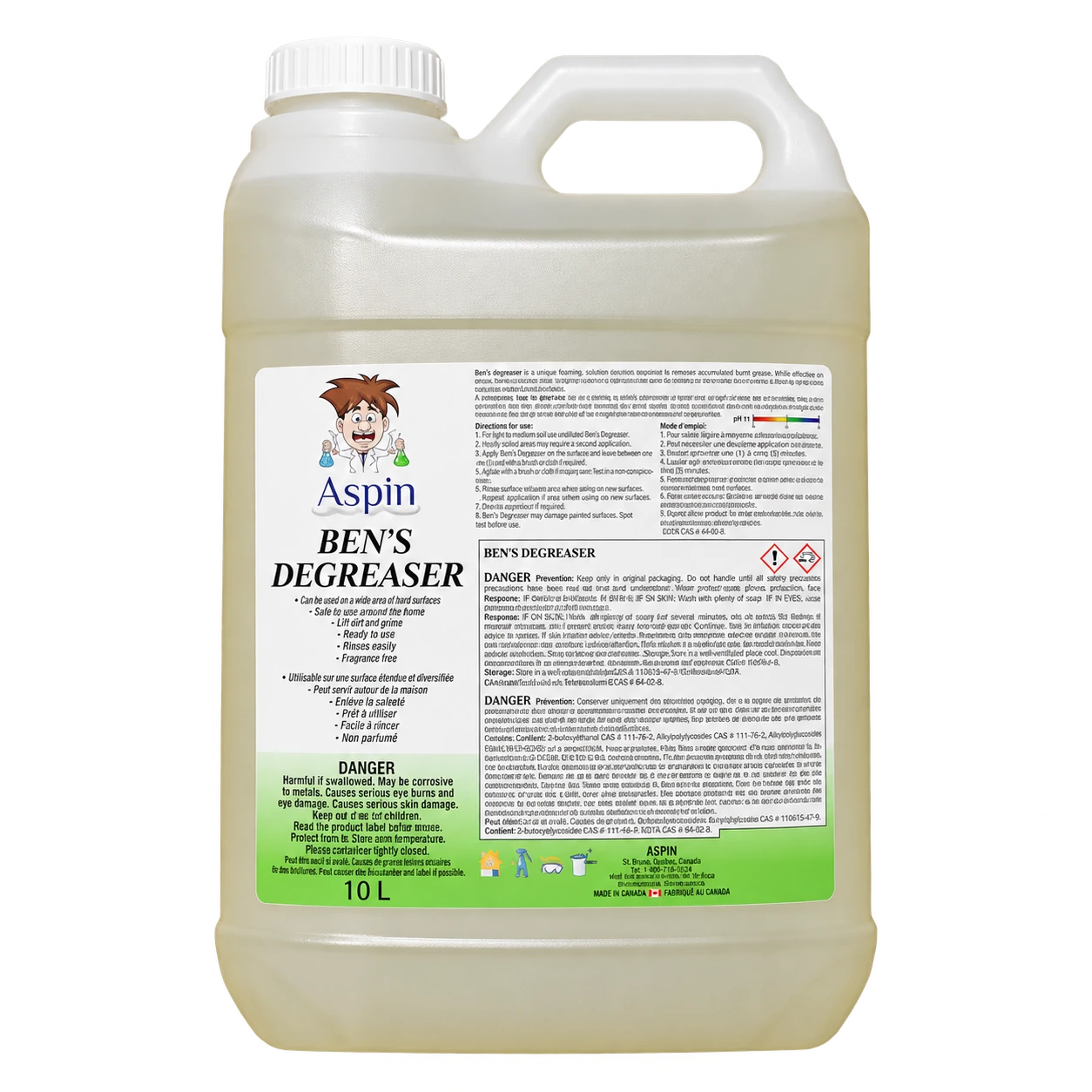
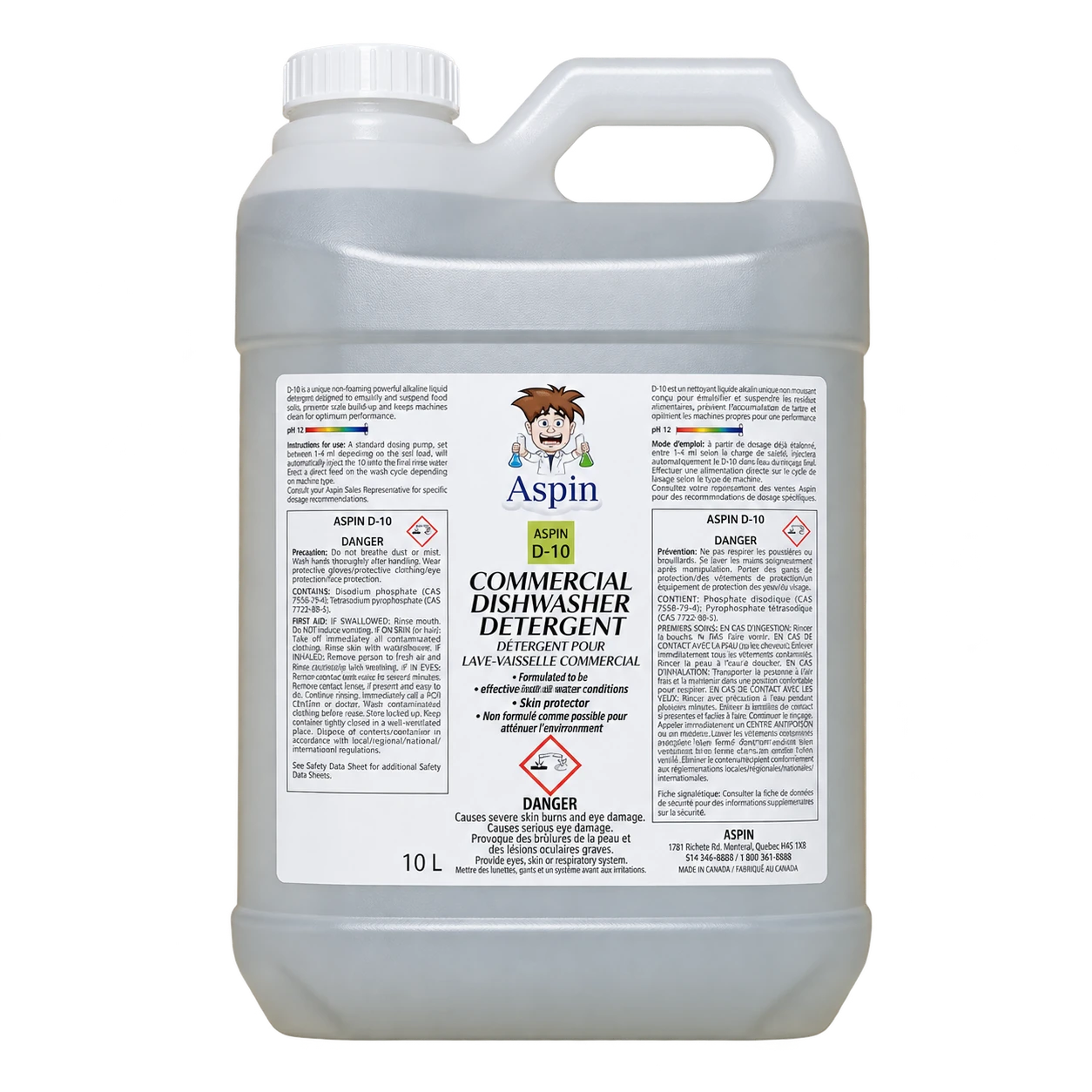
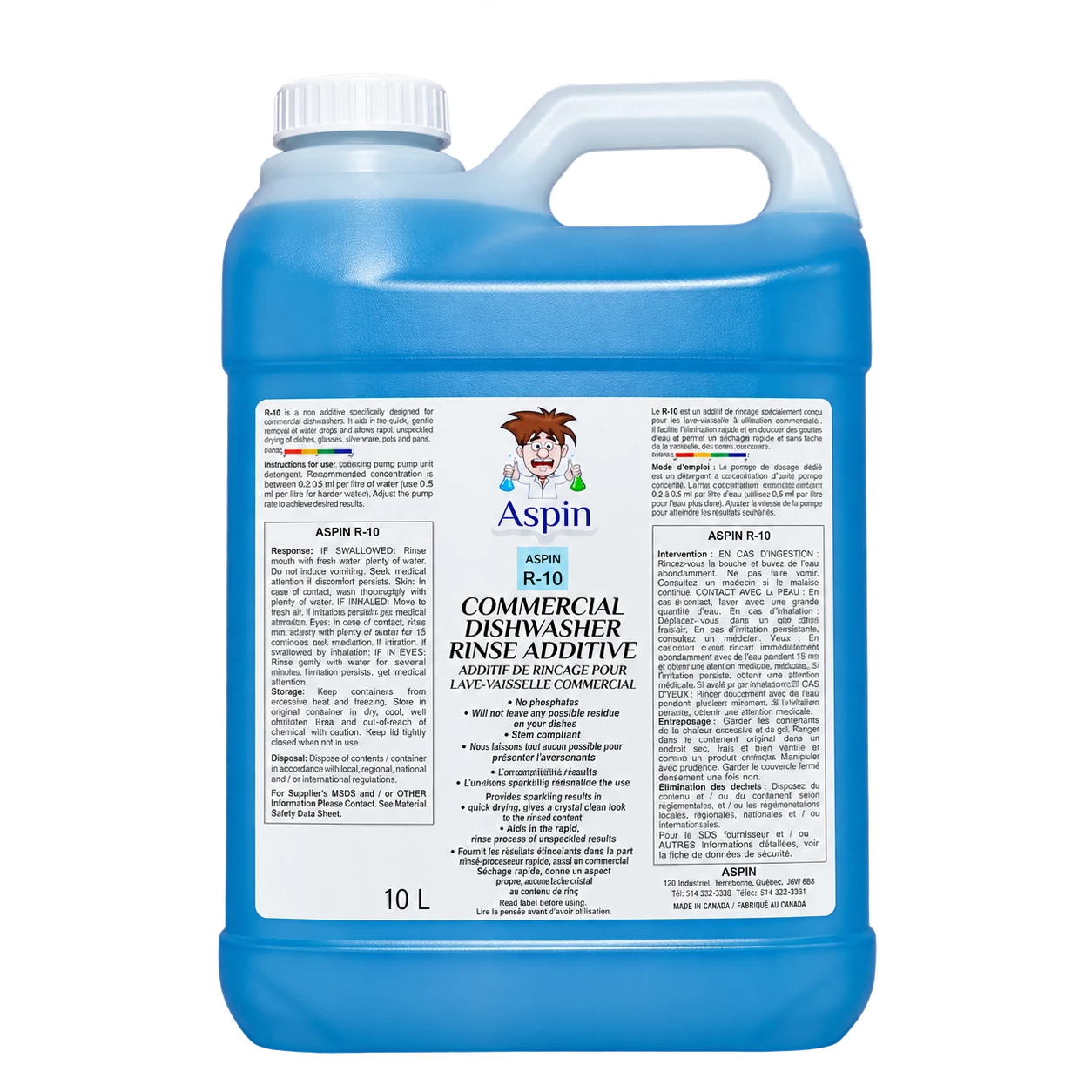
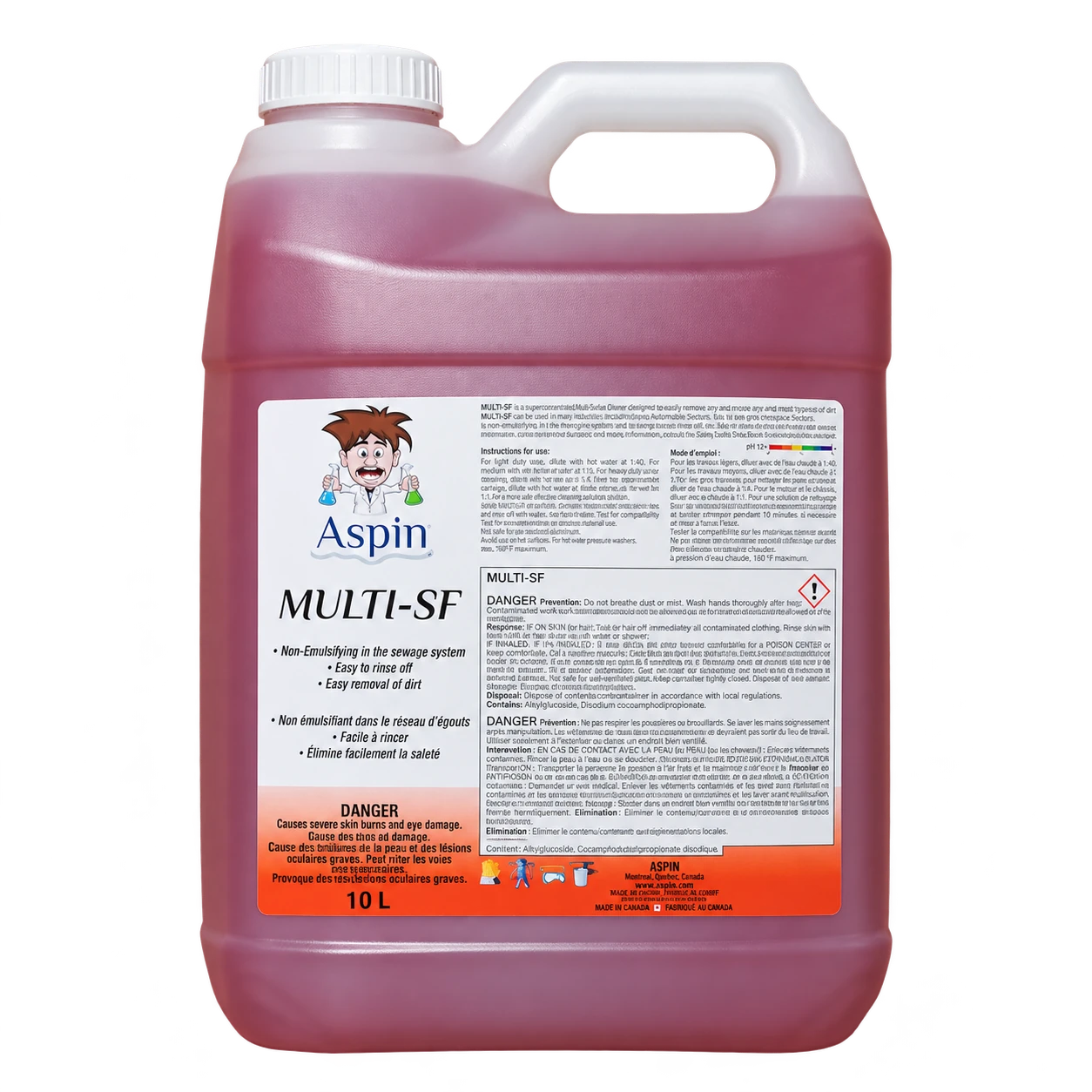
Transferring a cleaner into another container changes the handling and identification arrangement. It should be a defined workplace task, not an improvised response to a large package or a missing spray bottle.
Confirm that the transfer is permitted
Check the product instructions and the workplace procedure. Identify the approved container material, closure, dispensing arrangement and method of transfer. Do not reuse food or drink containers or assume an empty bottle from another product is suitable.
The general CCOHS cleaning-product guidance stresses following product instructions and avoiding the mixing of cleaners. Those principles are especially relevant when a transfer could introduce a different product or residue.
Plan identification before filling
The destination container must have the identification and information required by the applicable workplace rules and procedure. Do not postpone labelling until after several containers have been filled. A colour code alone does not establish the product identity.
Use current CCOHS WHMIS label guidance and the relevant jurisdiction’s requirements when the workplace programme is developed. This checklist is an organisational aid, not a substitute for those requirements.
Define the task and its limits
The instruction should identify:
- Product and authorised employee.
- Approved source and destination containers.
- Required equipment and protective measures.
- Transfer or preparation procedure reference.
- Container identification process.
- Handling of unused product and exceptions.
Avoid supplying a universal transfer method for different chemical types. The correct arrangement depends on the product and the workplace assessment.
Review whether transfer is necessary
Sometimes the better operational choice is a package or dispensing arrangement that fits the task directly. Discuss alternatives with the supplier rather than building an informal decanting system around an unsuitable purchase.
Use container-size selection when planning supply and the chemical inventory to keep destination containers within the site’s records. Contact Aspin for product-specific questions before introducing a new handling arrangement.