



Banquet cleaning plans have to follow an event rather than a typical day. Guest numbers, service timing, room layouts and hired equipment can change the workload substantially. A useful handover translates those changes into responsibilities before the first guests arrive.
Use the final event sheet as the starting point, but add the details that affect cleaning. Include dish-return locations, temporary preparation stations, access restrictions and where hired items must be gathered for collection.
Plan the transitions
Identify the moments when the same area changes purpose: room setup to food service, service to breakdown, and breakdown to the next booking. Name the role that confirms each area is ready to transfer.
Temporary arrangements deserve explicit instructions. A spare trolley should not become an unofficial chemical store; a corridor used for deliveries should not also become an unplanned queue for dirty racks. Agree the layout with the responsible event and kitchen managers.
Match resources to the event
Estimate the ware types and return pattern rather than using guest count alone. A short burst of glassware can strain a different part of the workflow from a steady return of dinner plates. Use the peak dishwashing guide to discuss that demand.
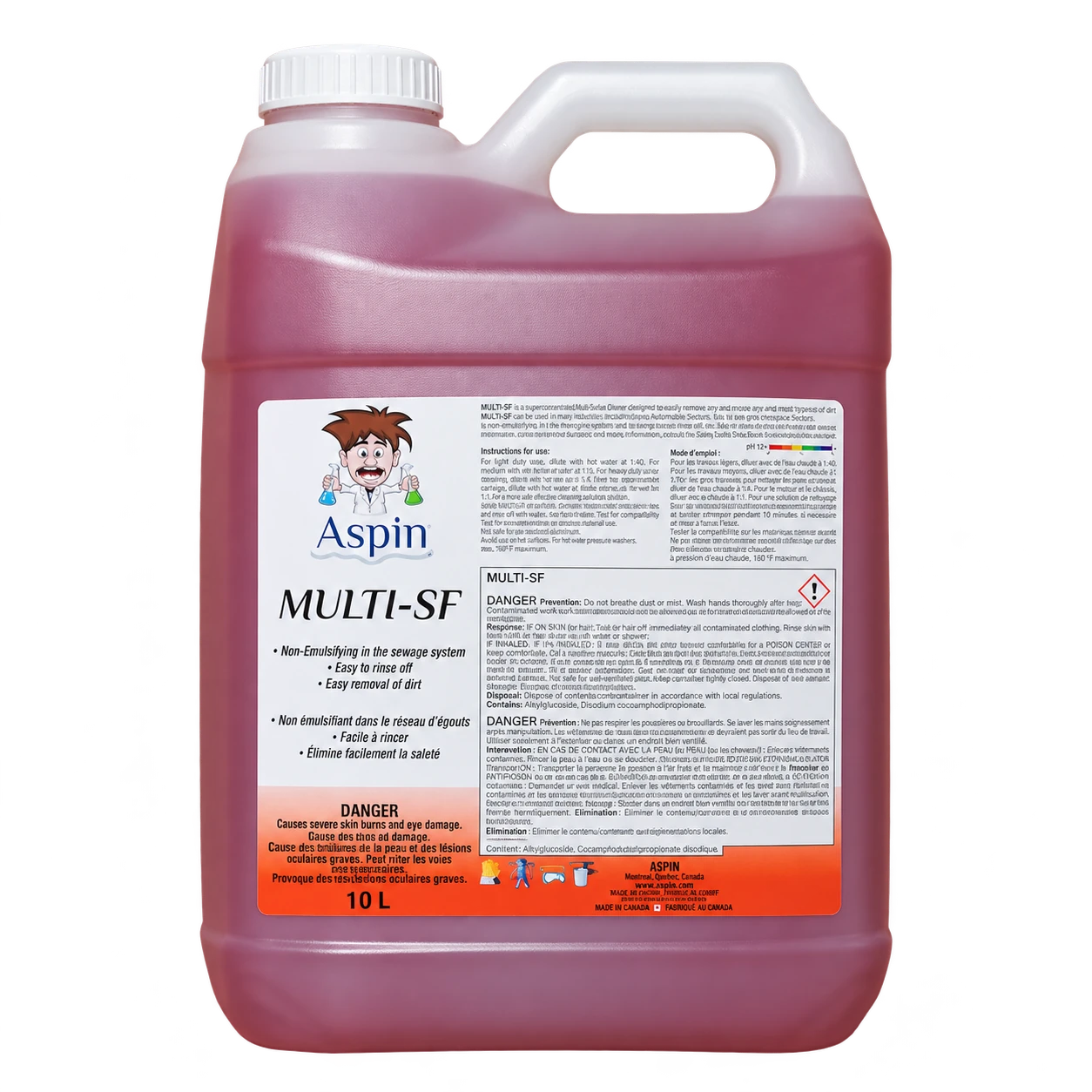
List approved cleaning products, tools, waste arrangements and replenishment responsibilities. Keep product instructions with the team using them. Staff brought in for the event need the same access to the approved procedures as regular employees.
Close with a reset record
At the final handover, record remaining hired equipment, unfinished cleaning, damaged items, supply shortages and areas still unavailable. State who will resolve each item before the next booking. “Event finished” does not tell the morning team whether the space is ready.
After a particularly busy event, compare the plan with what actually happened. One useful adjustment might be a different return route or an earlier replenishment point. Save those lessons against the event type so the next similar booking benefits from the experience without relying on one person's memory.