
When a task repeatedly needs rework, adding another reminder may not help. The issue could be unclear instructions, insufficient access, an unsuitable method, equipment condition or a schedule that cannot be completed as written. Start by defining the problem precisely.
Identify one item and one observable result. “Cleaning is inconsistent” is difficult to investigate. “Residue remains at the rear edge of shelf S-02 after the evening task” creates a manageable question.
Watch the work as it happens
Ask the responsible employee to describe the approved method and show the practical barriers during normal conditions. This should be a learning exercise, not an invitation to improvise a different chemical process.
Check whether the correct instructions and tools are available, the surface is accessible and the task has enough time. Compare the actual sequence with the current approved procedure. Record uncertainties instead of assuming a skipped step explains everything.
Change one relevant factor
Agree a specific correction with the responsible manager or supplier. It might involve access, task ownership, a tool, training or a revised schedule. Changes to product use or equipment settings require appropriate guidance and approval.
Avoid simultaneously changing several unrelated factors. If the result improves, you will not know which change mattered; if it worsens, investigation becomes more difficult.
Define the review before the trial
Decide what success will look like and when it will be checked. Include normal workload conditions rather than evaluating only a quiet demonstration. Record whether the new approach is practical for the staff who must repeat it.
If the correction works, update the procedure and explain the change to affected shifts. If it does not, retain the observation and investigate the next plausible factor. Do not quietly declare success because one photograph looks better.
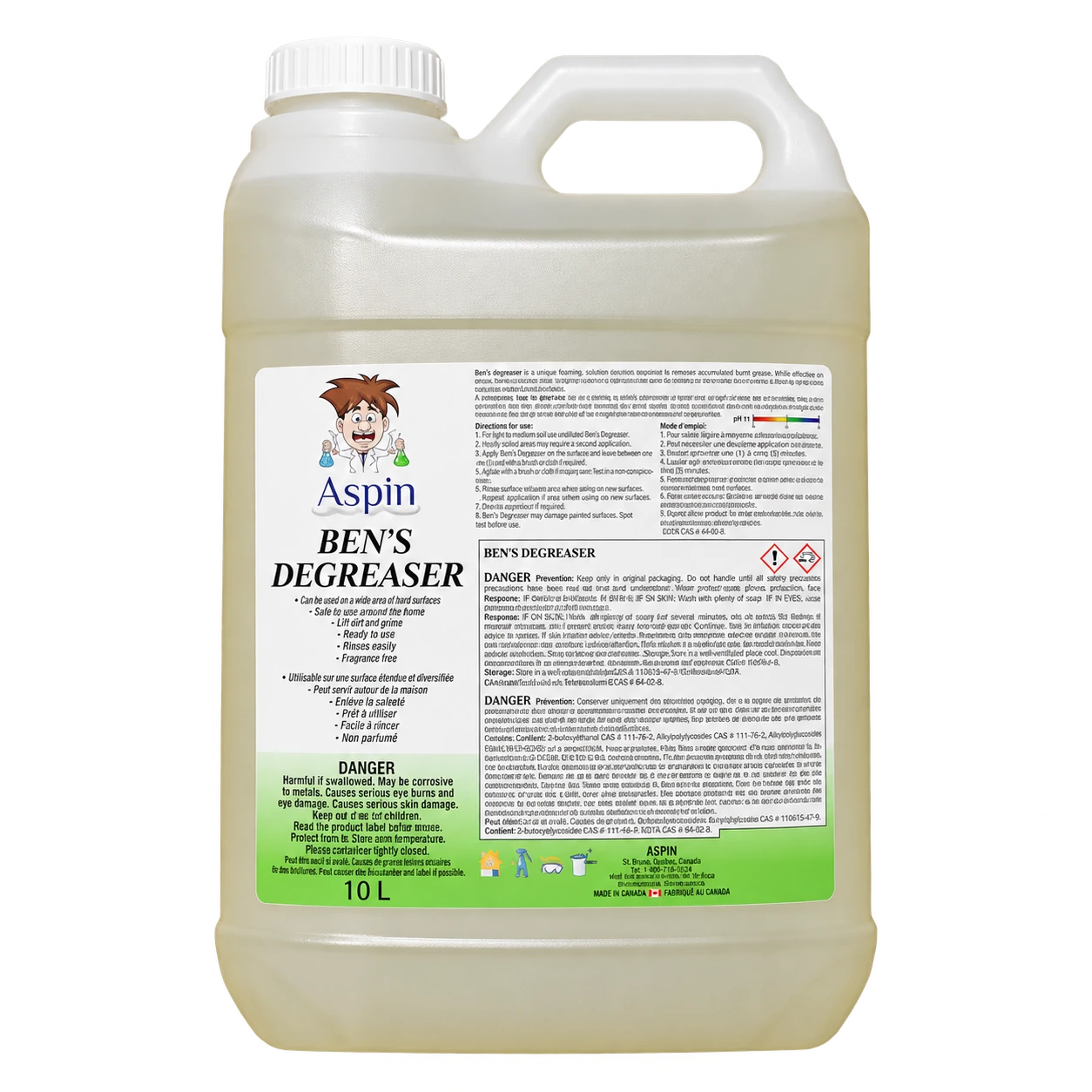
The cleaning audit guide can help frame observations. For heavy grease or carbon problems, discuss the actual surface and task with Aspin before selecting a different cleaner. Rework becomes useful evidence when it leads to a clearer, more workable process.