
A multilingual cleaning team needs instructions people can understand and use at the task. Translating a dense paragraph word for word may preserve its complexity rather than solve the communication problem. Begin by improving the source instructions.
Use short sentences, consistent product names and a clear sequence. Avoid idioms such as “give it a once-over” that do not describe a measurable action and may translate poorly.
Keep product identity consistent
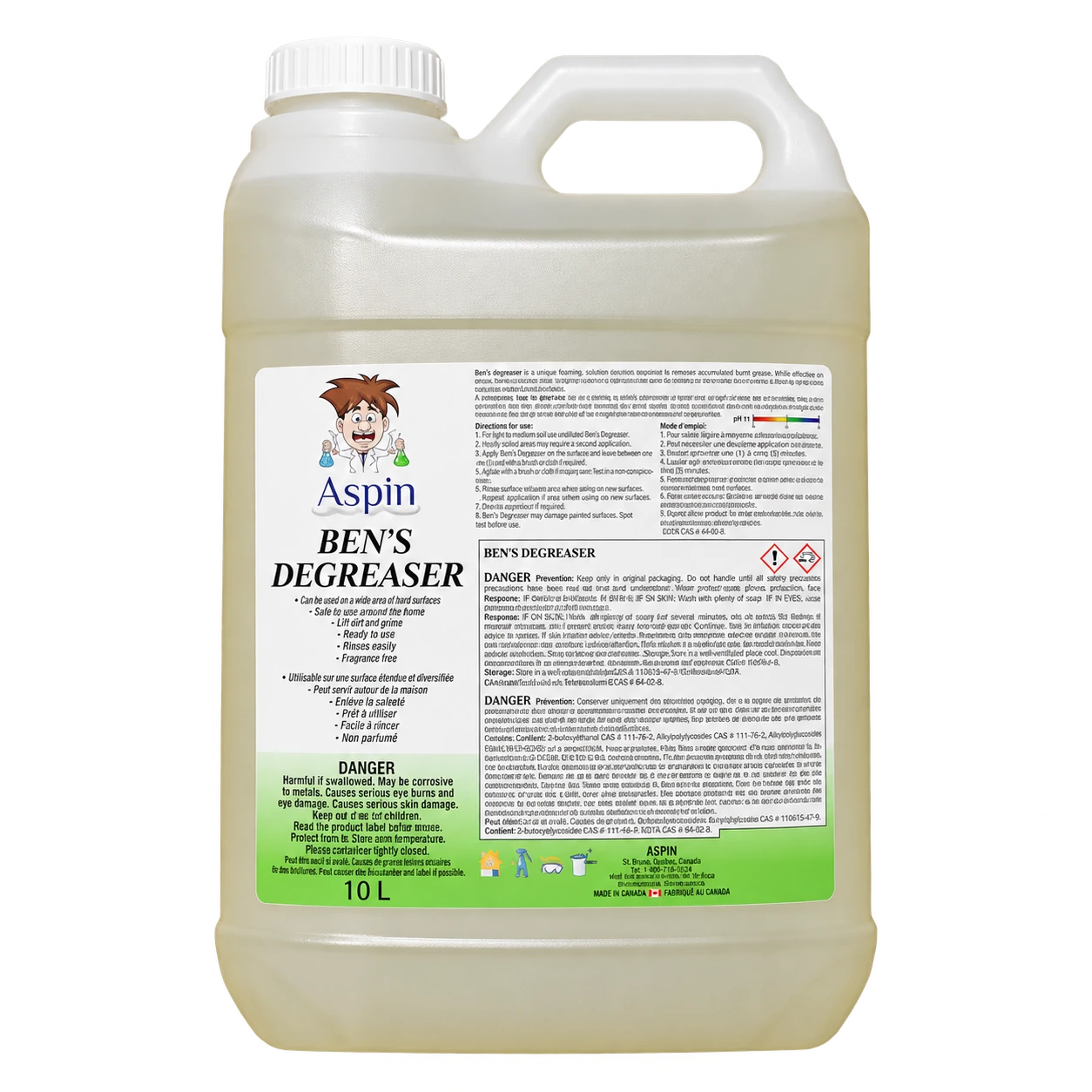
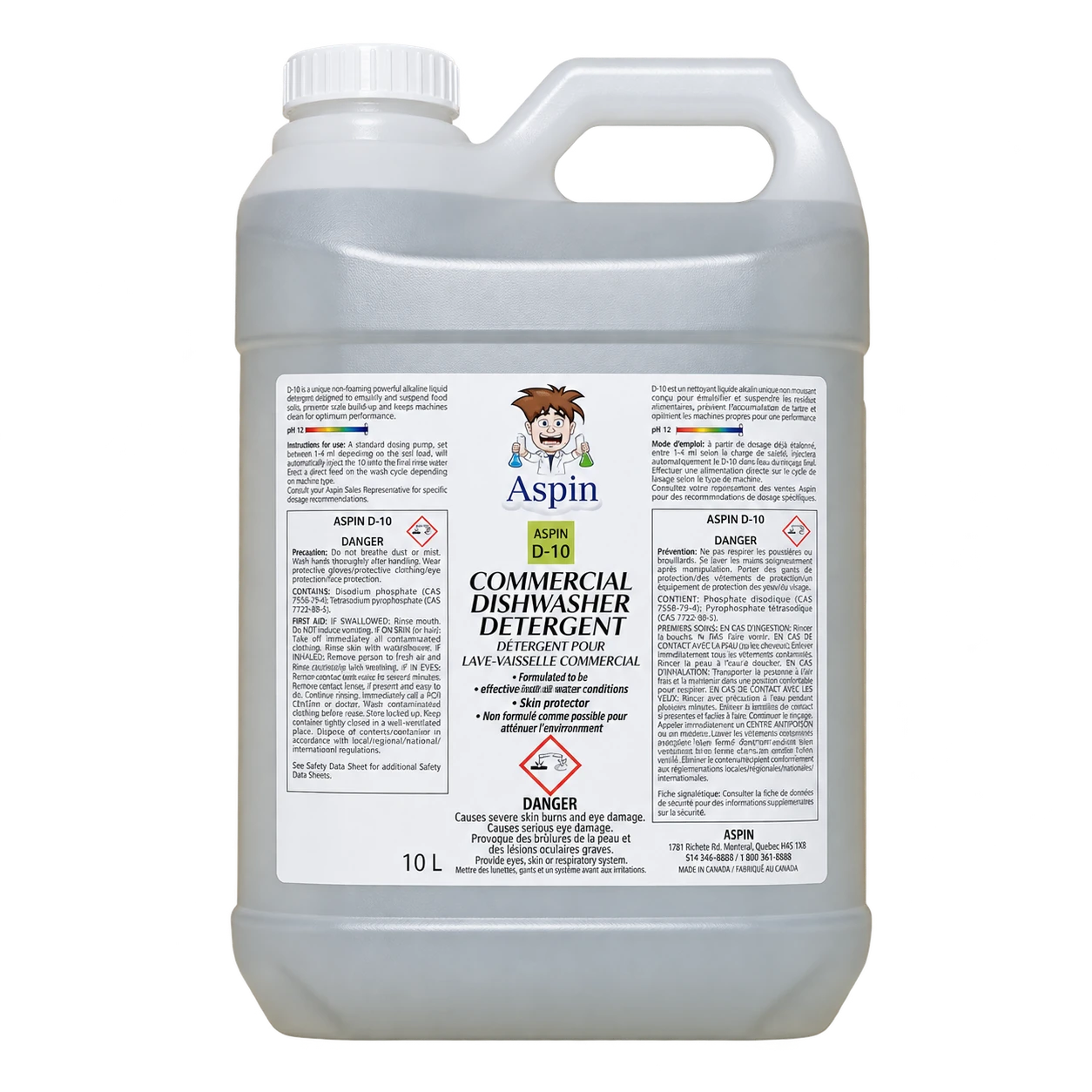
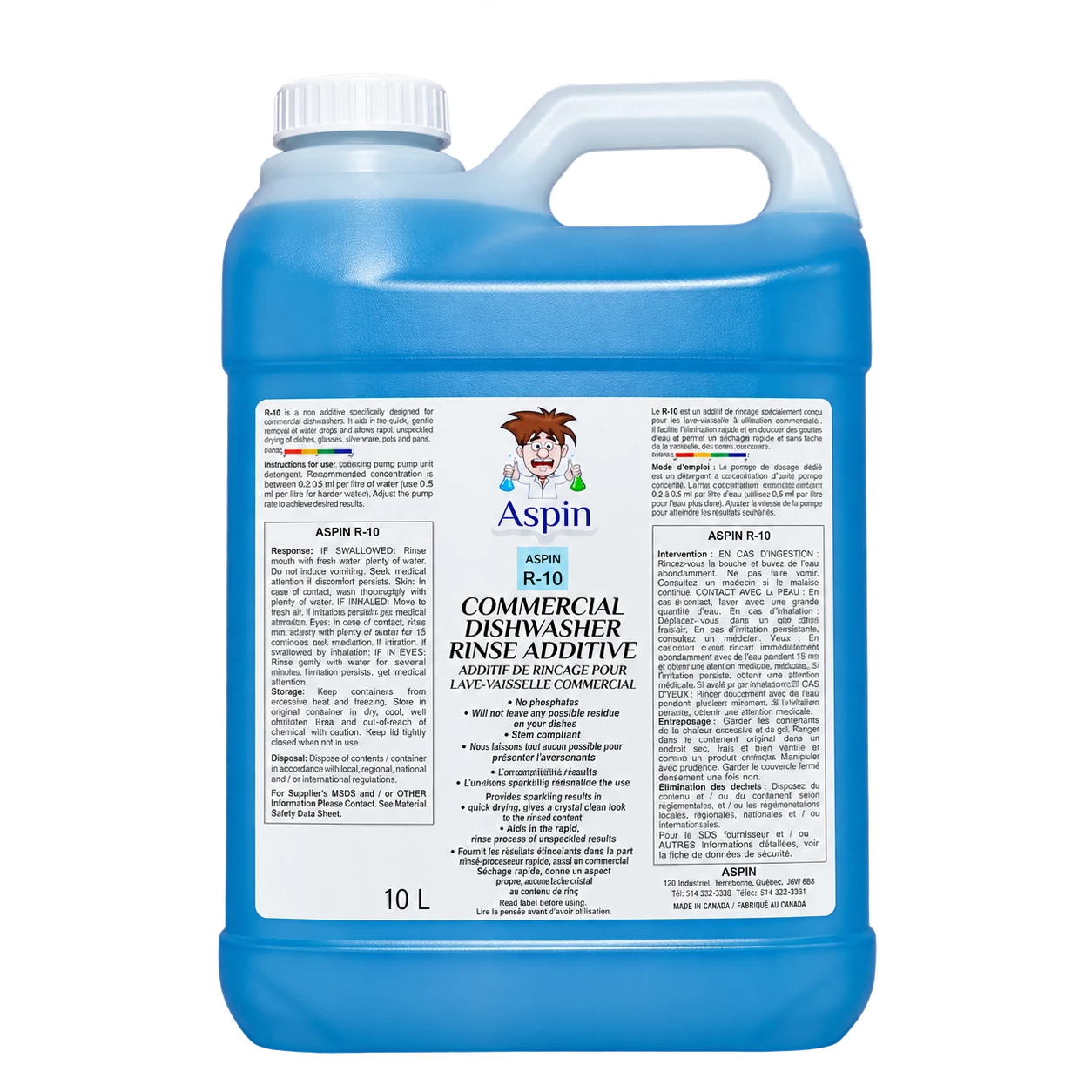
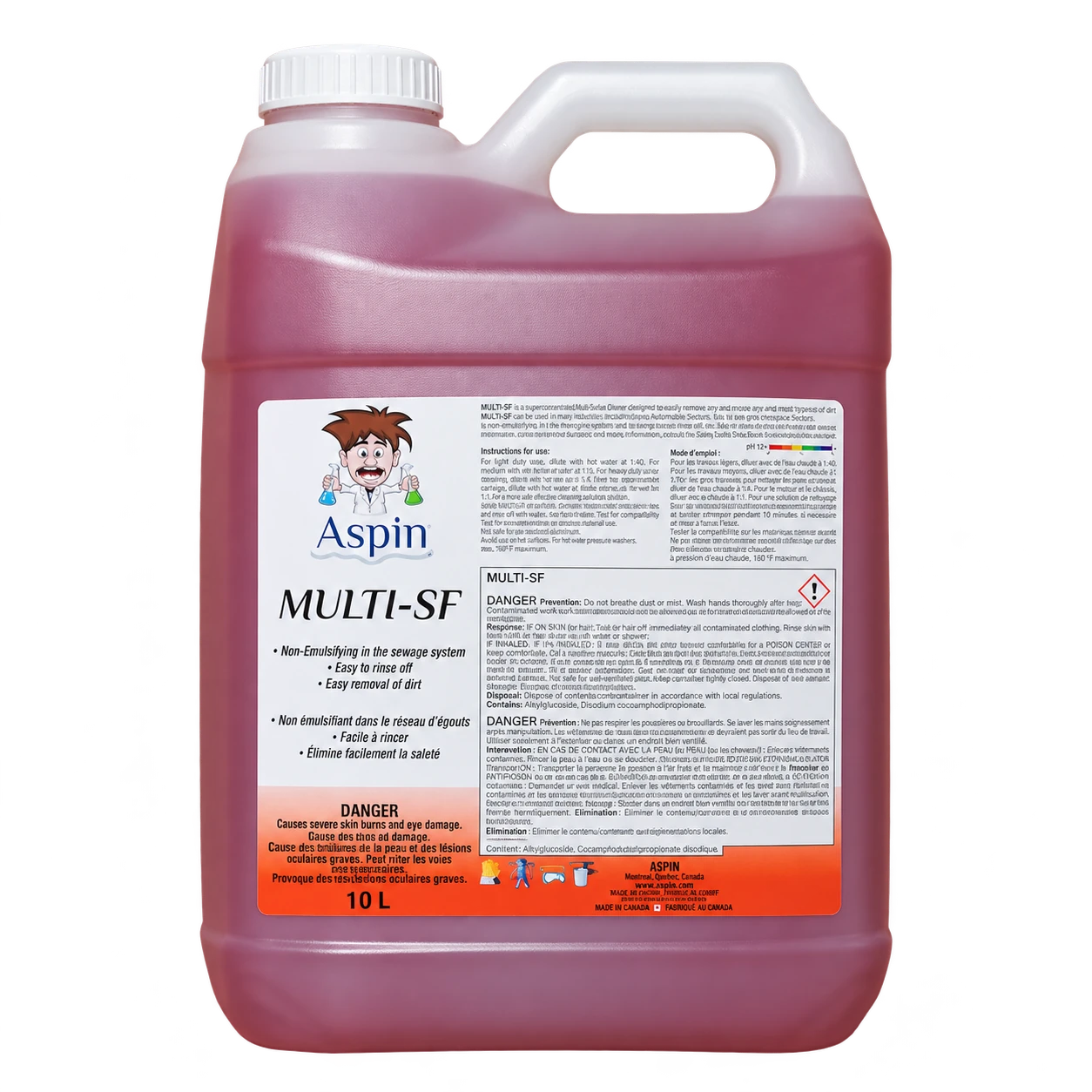
Use the exact product name and an accurate reference image where helpful. Do not rename chemicals informally in different languages or rely on colour alone to identify them. The written task sheet must still connect clearly to the actual labelled container and current documentation.
Photographs can show a location or a finished arrangement, but they should not be treated as a replacement for safety information or the steps of an approved process.
Review translations in context
Have translations checked by someone competent in the language and the subject matter appropriate to the task. Pay particular attention to quantities, warnings, sequence and words that could reverse the intended meaning.
Test the instructions with the employees who will use them. Ask them to explain the task and locate the relevant product information. This is more informative than asking whether the translation “looks fine.”
Control all language versions together
Assign the same procedure identifier and revision date to equivalent language versions. When the method changes, update every affected version before the revised process is introduced. A translated sheet left behind from an earlier method can be more confusing than a missing sheet.
Keep the original product documentation available in the languages supplied, and ask the supplier about additional documentation where needed. Aspin's SDS library provides the English and French files currently linked on this site; confirm current documents for the product supplied.
Use supervised understanding checks to confirm practical comprehension. Accessible instructions depend on wording, placement, training and revision control working together, not simply on adding more text to a wall.