
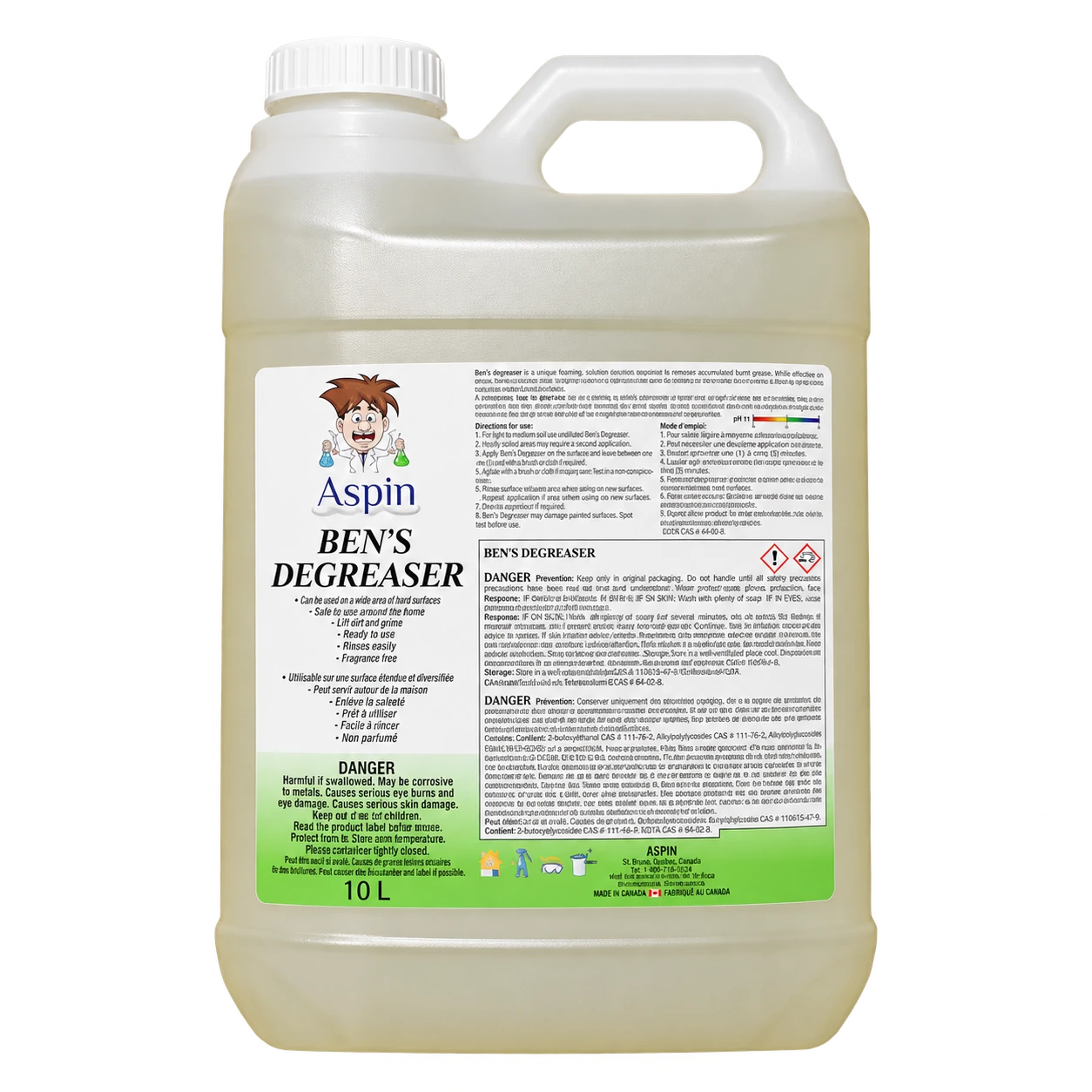
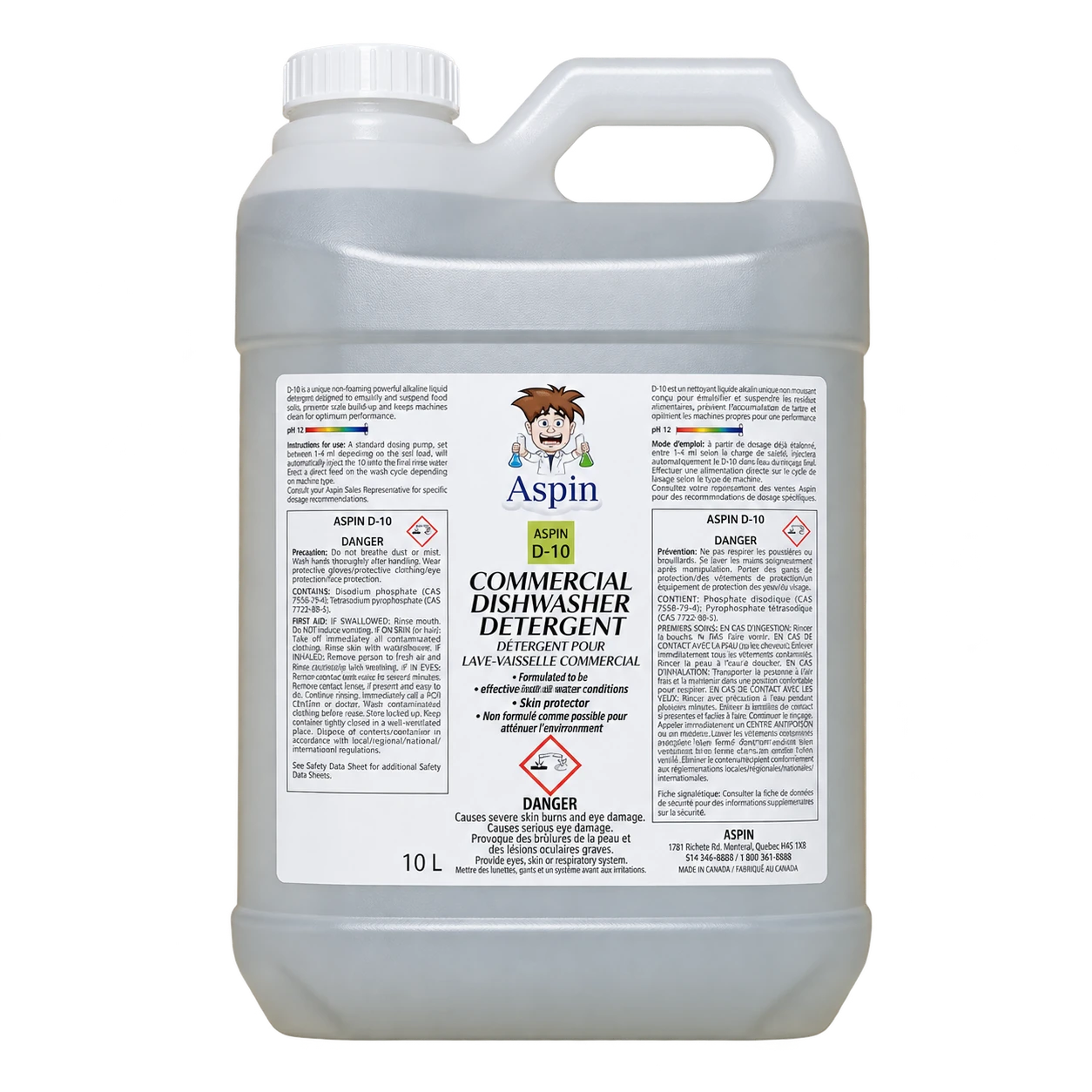
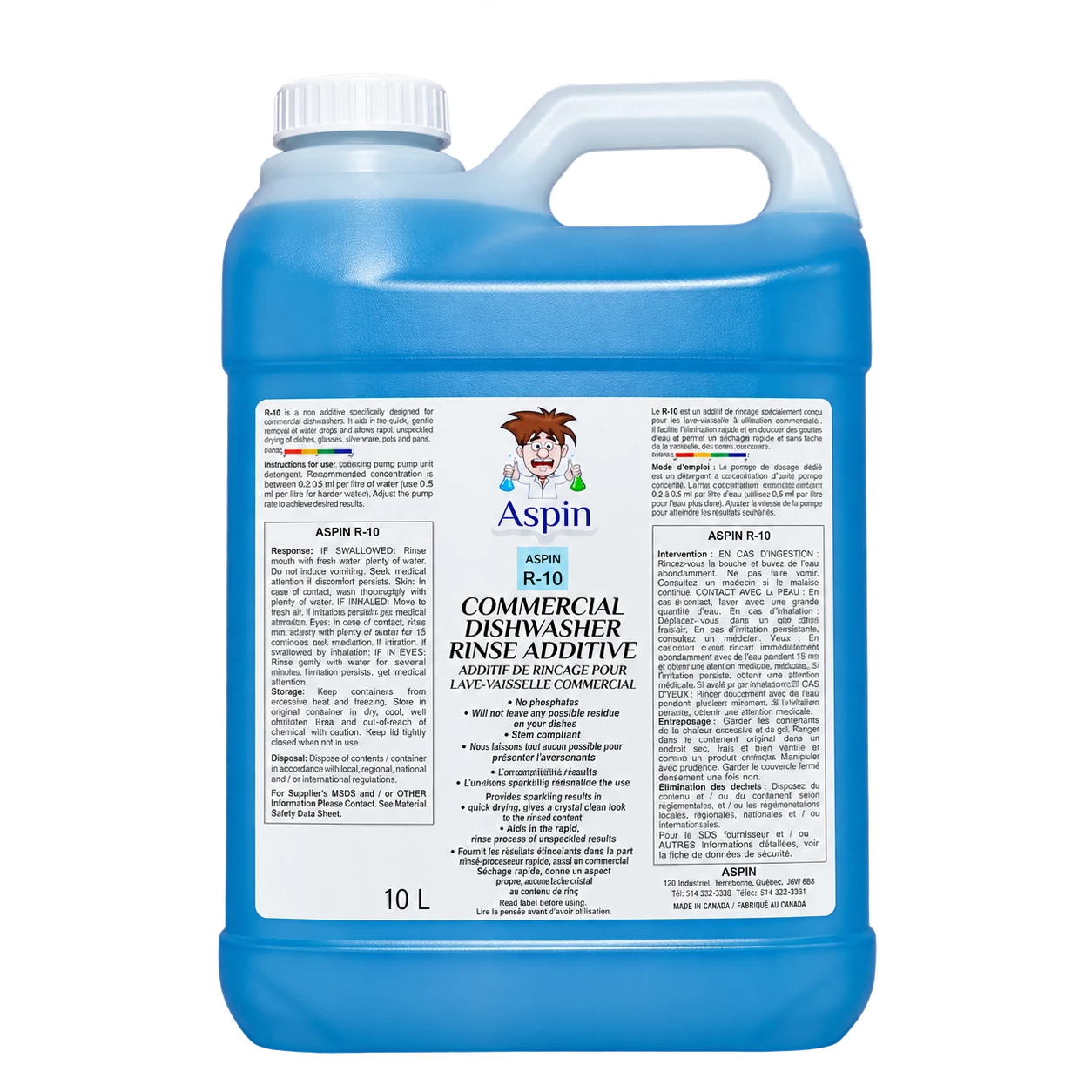
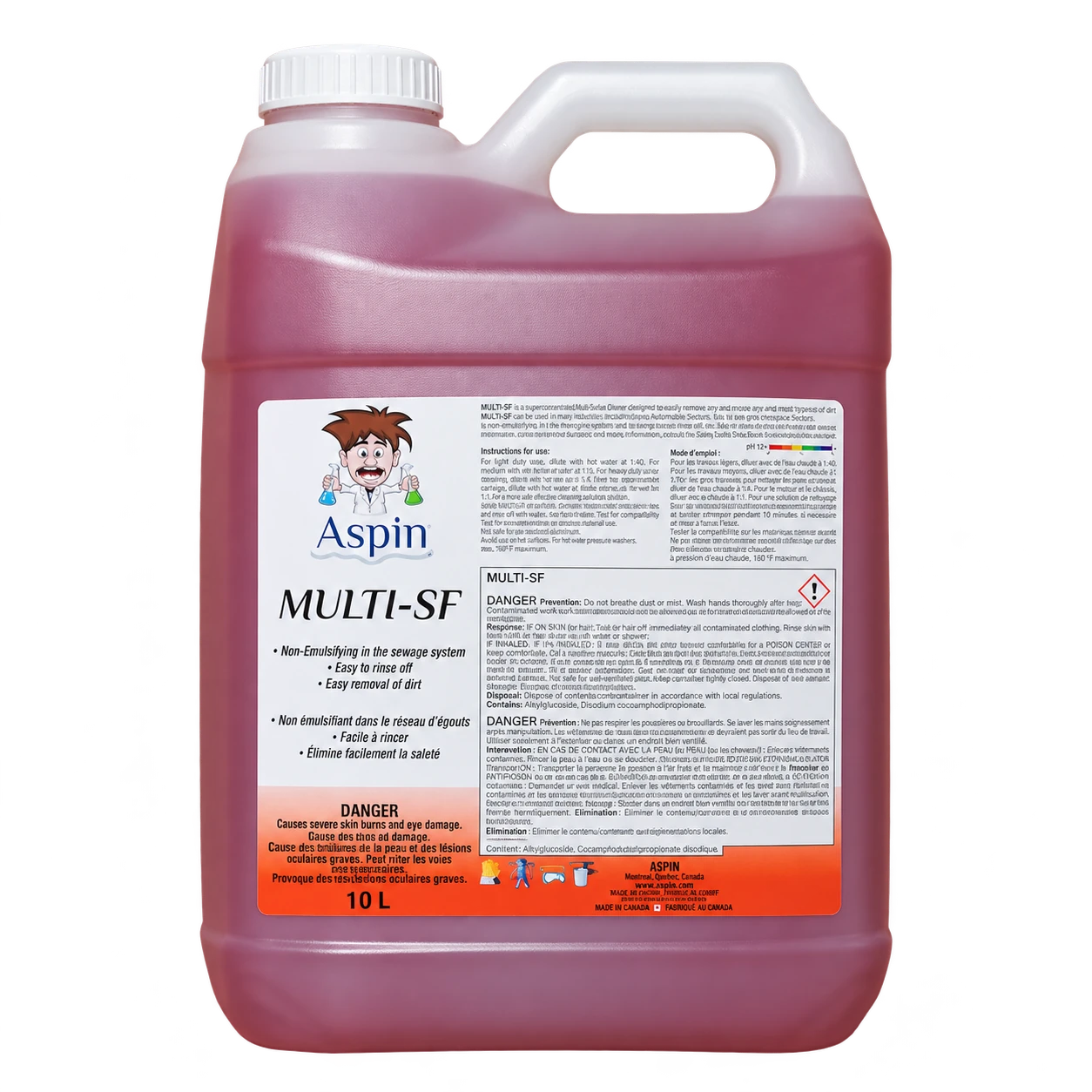
A substitute product is a change to a process, even when the supplier describes it as equivalent. Review the exact application before allowing the replacement into routine work. Similar packaging or a similar product name is not enough.
Define what is being replaced
Record the current product and every approved task affected by the change. A product used in several areas may need more than one compatibility review. Include dispensing equipment, containers and tools where they form part of the process.
State why the substitution is proposed: availability, cost, a different task or another reason. That helps the reviewer distinguish a temporary supply issue from a planned process improvement.
Collect the replacement information
Obtain the current product instructions and SDS, then have the responsible people assess suitability. Ask the supplier to identify any differences in use, preparation, handling and transition requirements. Do not assume the old dilution or dispensing arrangement can be retained.
Use a decision sheet with:
- Current and proposed product identities.
- Affected tasks and equipment.
- Suitability confirmed by and reference used.
- Required process or dispensing changes.
- Documents and training to update.
- Approval, restrictions and review date.
Plan the transition
Keep the proposed replacement out of routine use until the required approval and setup are complete. Follow the supplier’s and workplace’s instructions for handling remaining stock and any changeover. Do not mix products as a way to use up the old supply.
Tell staff which tasks have changed and when the new instruction takes effect. Remove superseded instructions from active use while retaining the history required by the organisation’s policy.
Confirm the decision in operation
Review the first representative period and record any unexpected result or difficulty following the instruction. A purchasing approval should lead to a workable task, not merely a new item code in the stock system.
Use supplier onboarding and product-change planning where relevant. Consult the CCOHS WHMIS programme guidance for broader programme responsibilities and contact Aspin about the proposed application.