

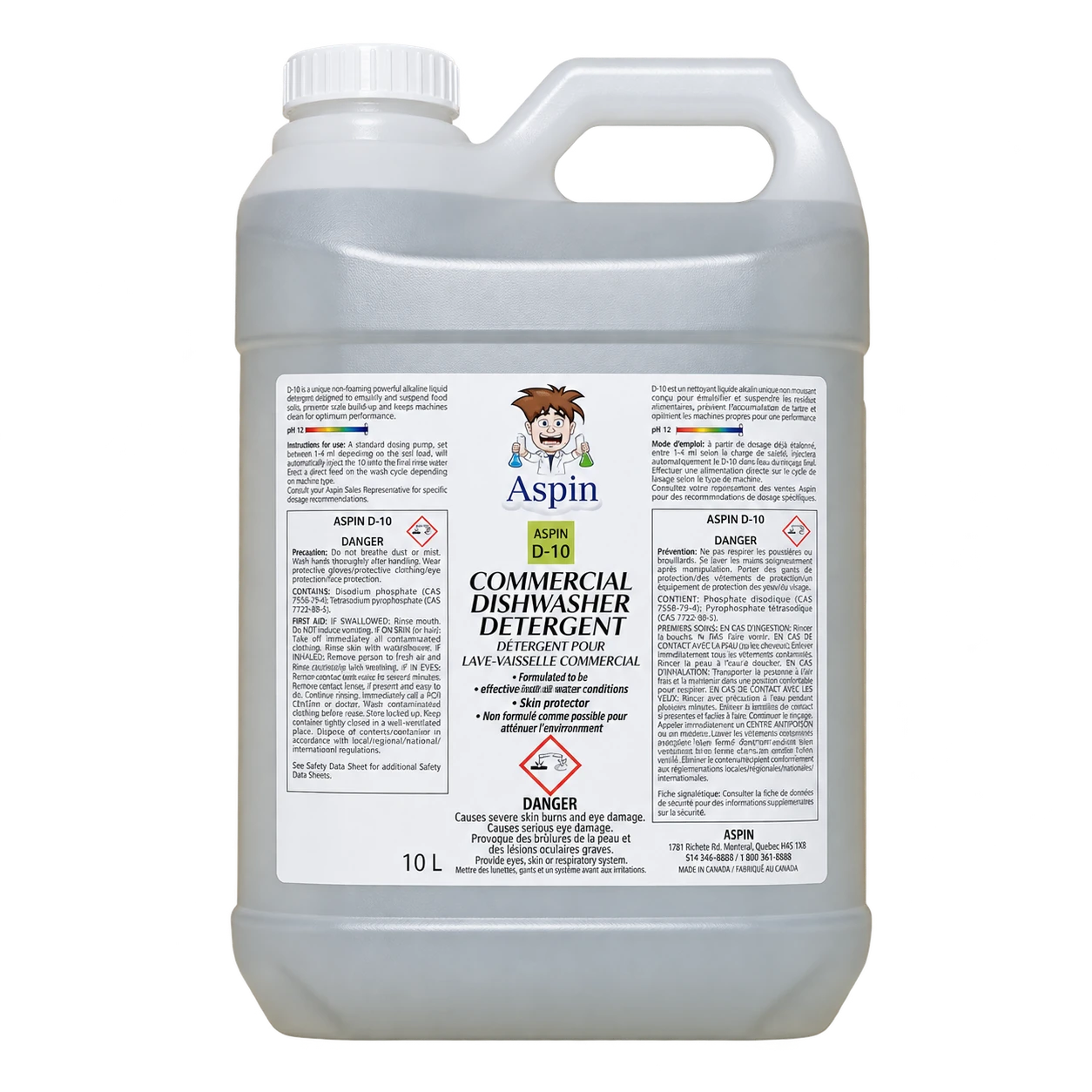
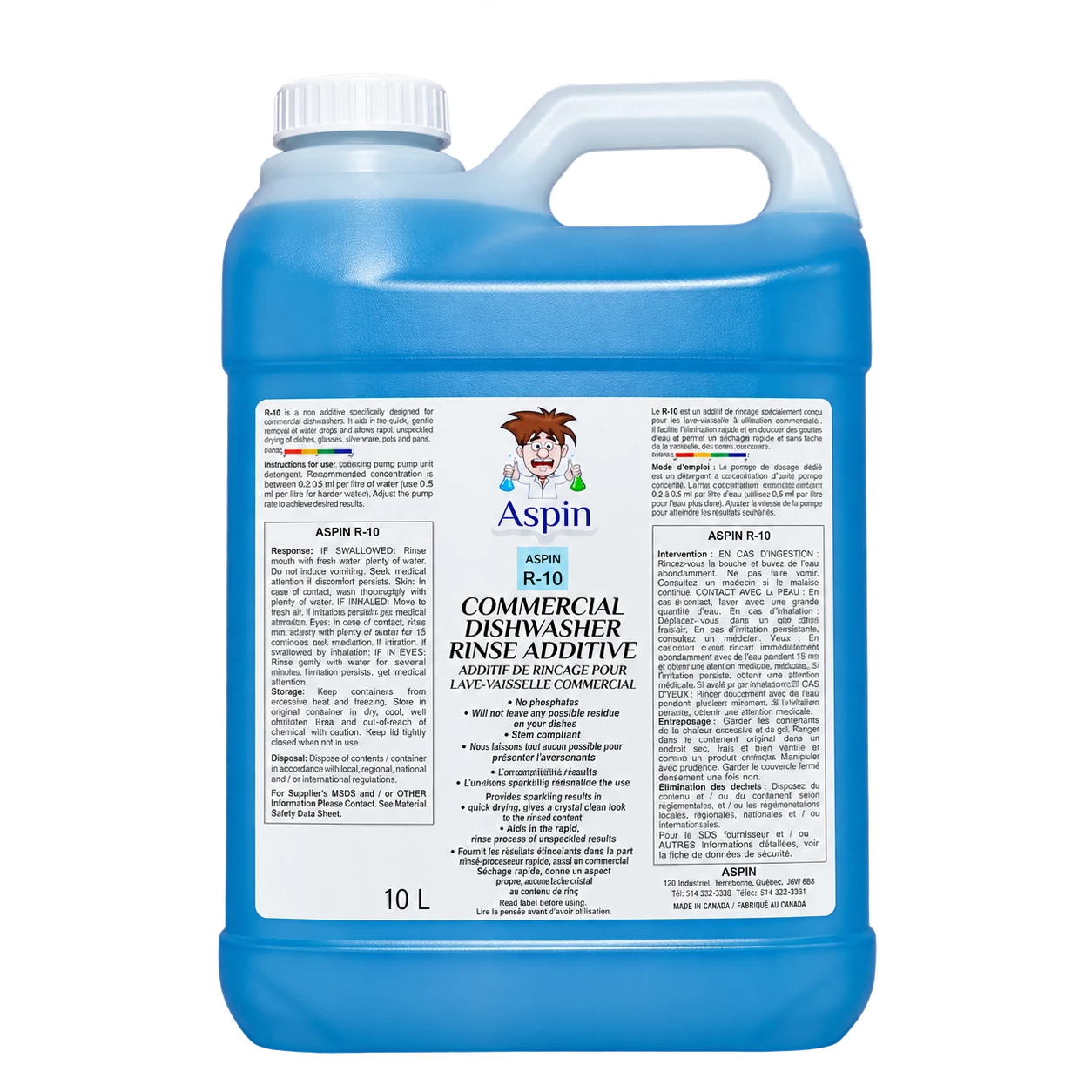
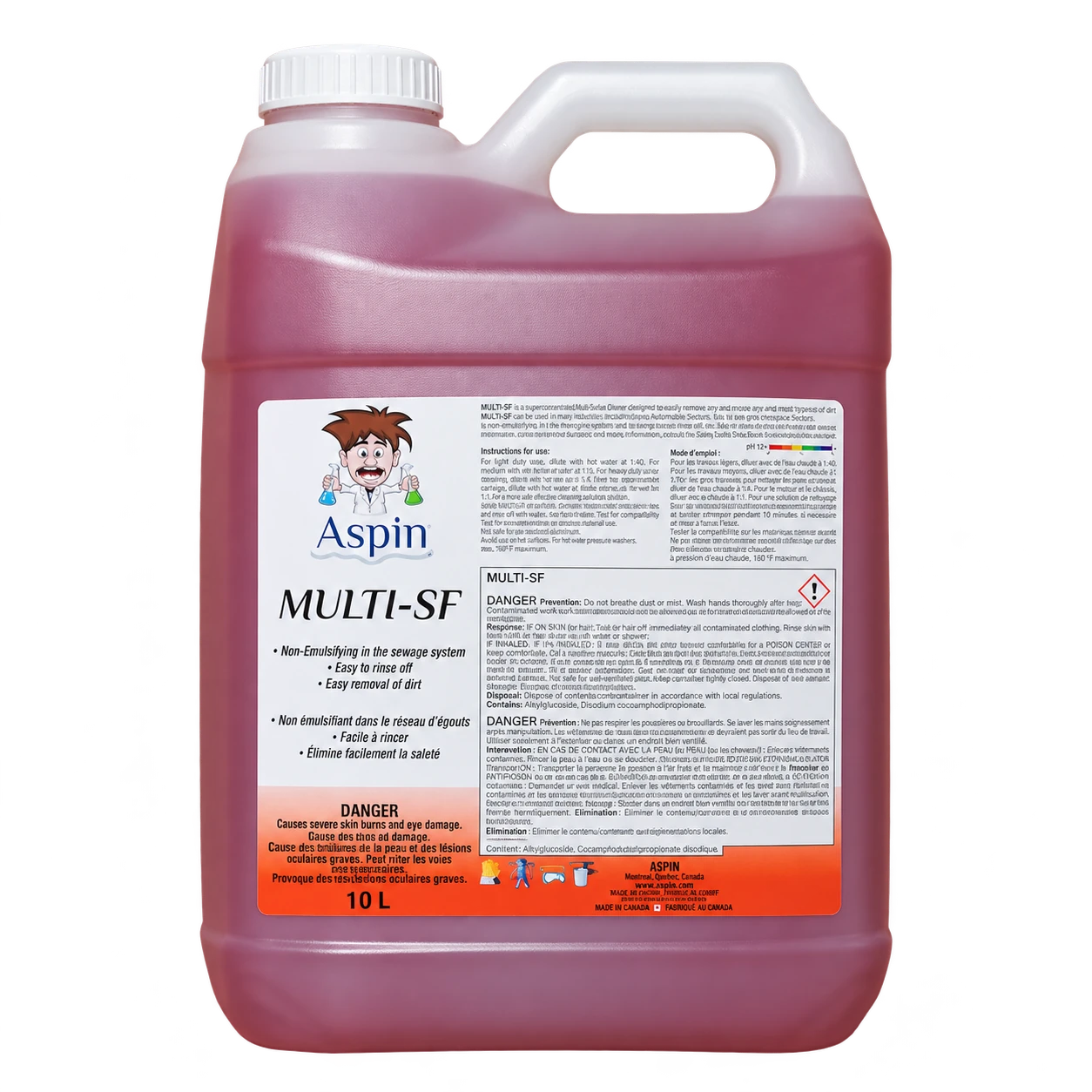
A chemical inventory begins as a record of what is present and where it is used or stored. It is not permission to rearrange incompatible products, open unidentified containers or dispose of unwanted stock. Plan the review under the workplace’s chemical programme.
Define the area and reviewer
List the rooms, storage locations and operating stations included in the review. Identify a trained person responsible for the task and the route for reporting unknown or damaged items. A floor plan can help record locations consistently.
Include products outside the main storeroom, such as supplies kept at a dish station or on a cleaning cart. Use the site’s approved inspection method and do not disturb a product beyond the reviewer’s training.
Use a manageable record
Suggested fields include:
- Full product name and supplier.
- Product code where available.
- Container size and recorded quantity.
- Use or storage location.
- SDS register reference.
- Responsible department or person.
- Missing information or condition requiring review.
Make uncertainty explicit. “Identity not confirmed” is more useful than entering the name of a similar-looking product.
Turn findings into assigned actions
Separate a stock discrepancy from a labelling, storage or condition concern. Assign each issue to the responsible person and record the next step. Do not resolve a hazardous-waste question by putting an unwanted container in general waste or pouring it away.
The CCOHS chemical inventory checklist provides a broader inspection framework. Use it with the workplace’s own procedures and applicable requirements rather than treating this short inventory format as a complete safety assessment.
Maintain the inventory through normal work
Connect the record to purchasing, receiving and approved product removal. A periodic count will become outdated quickly if new stock and substitutions never reach the register.
Use the delivery checklist and reorder-point guide for the supply side. Keep Aspin safety data sheets linked to the exact products included in the inventory.