
A spill plan is written before a spill occurs. The response depends on the product, quantity, location and people trained to act. This article is a planning checklist, not instructions for cleaning an active spill.
Start with the actual inventory
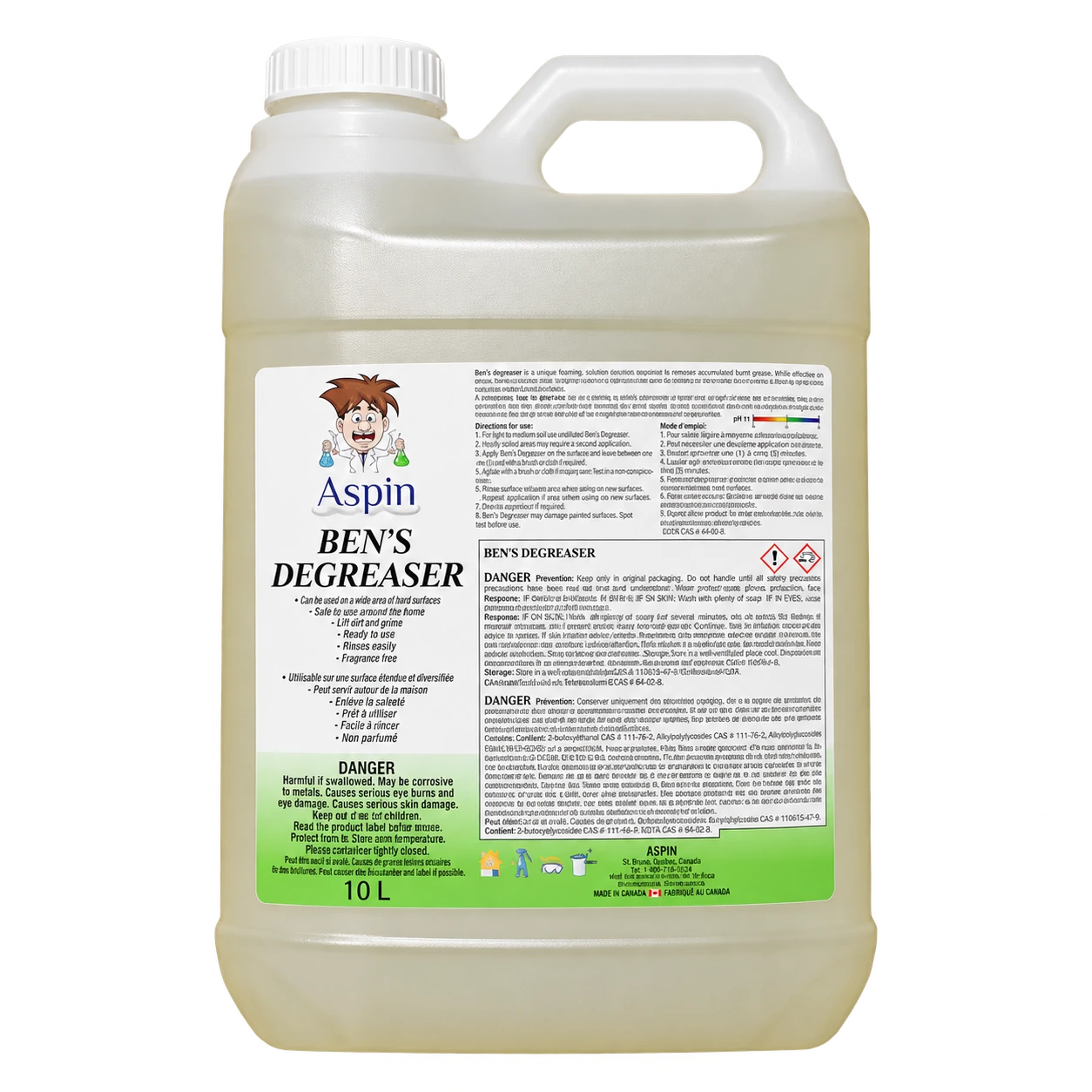
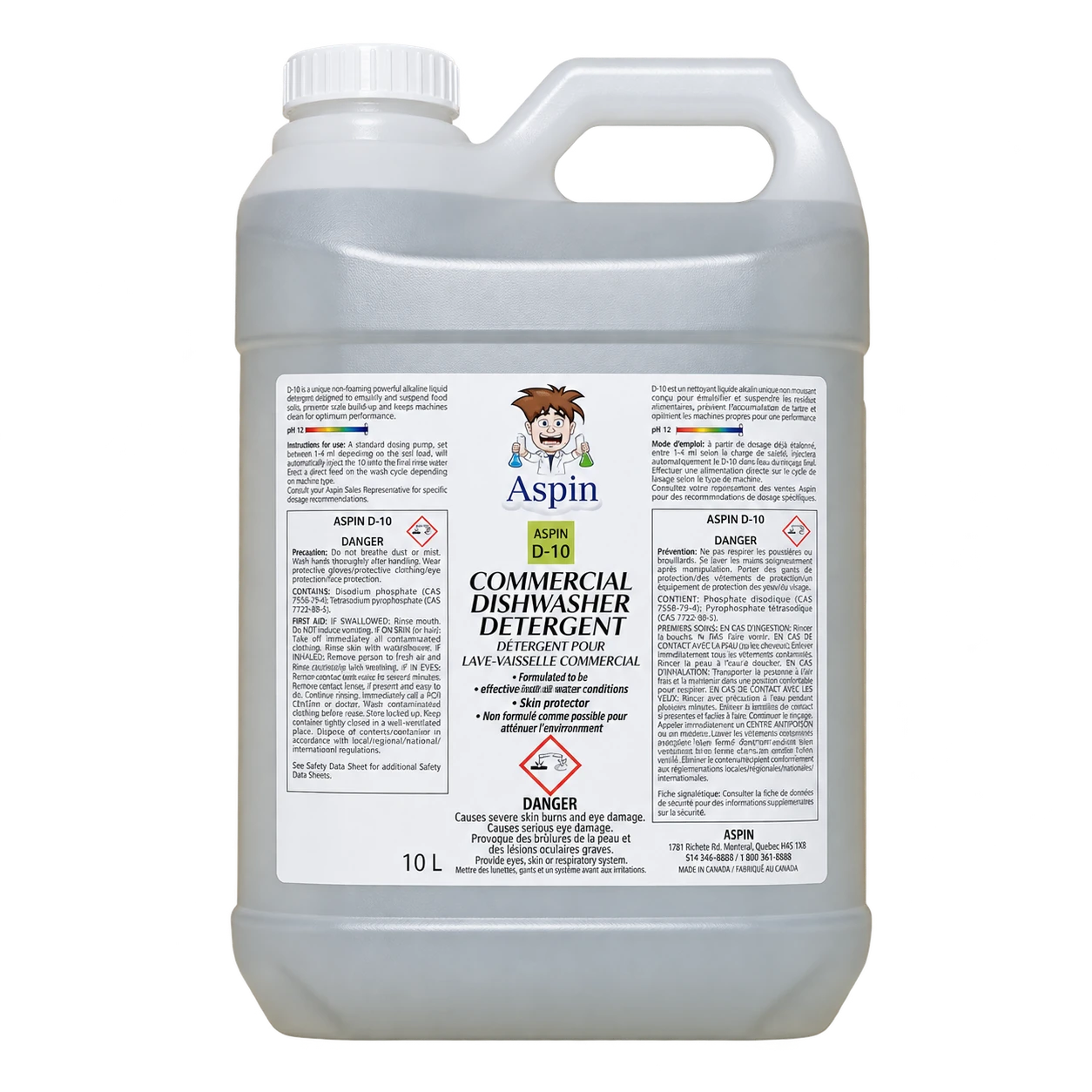
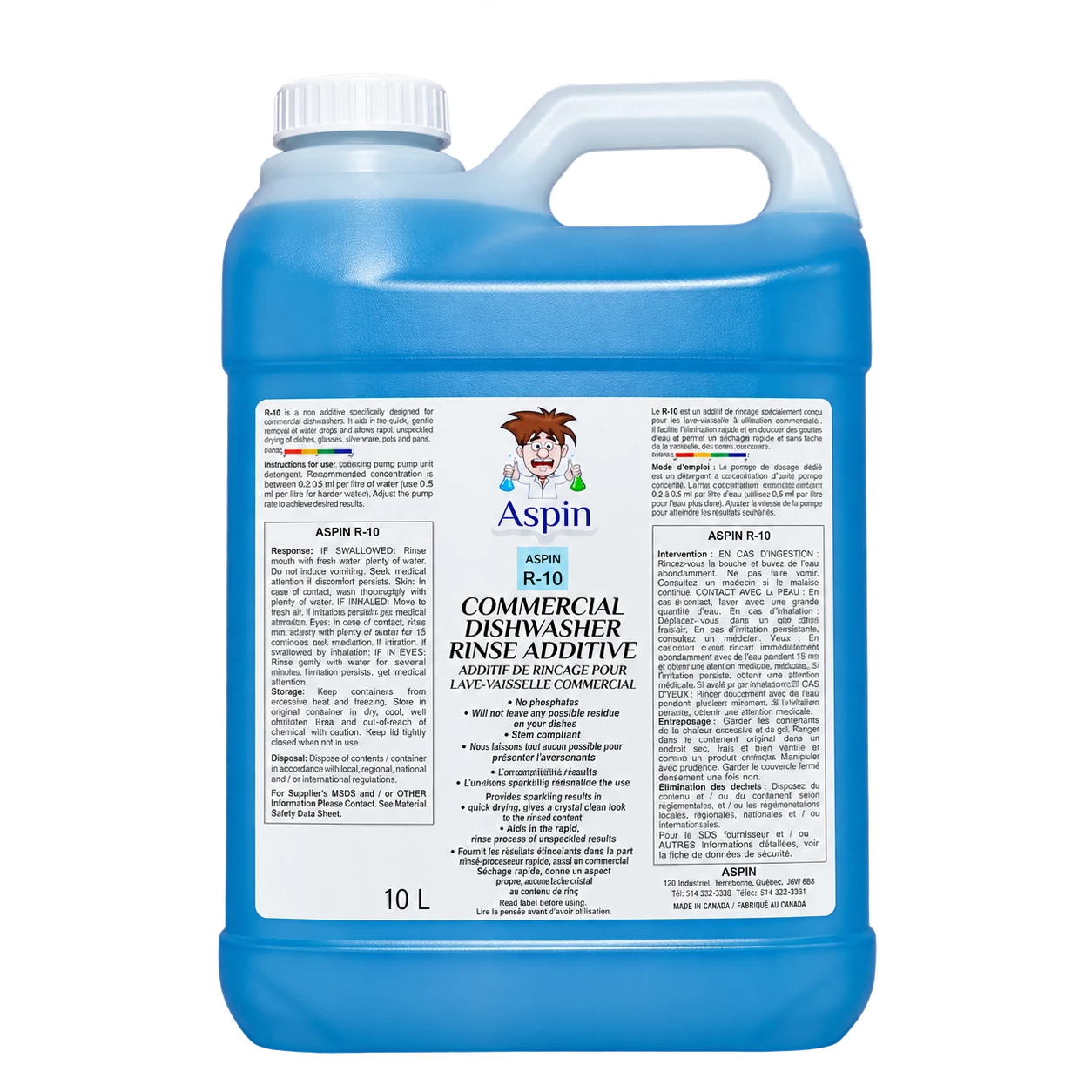
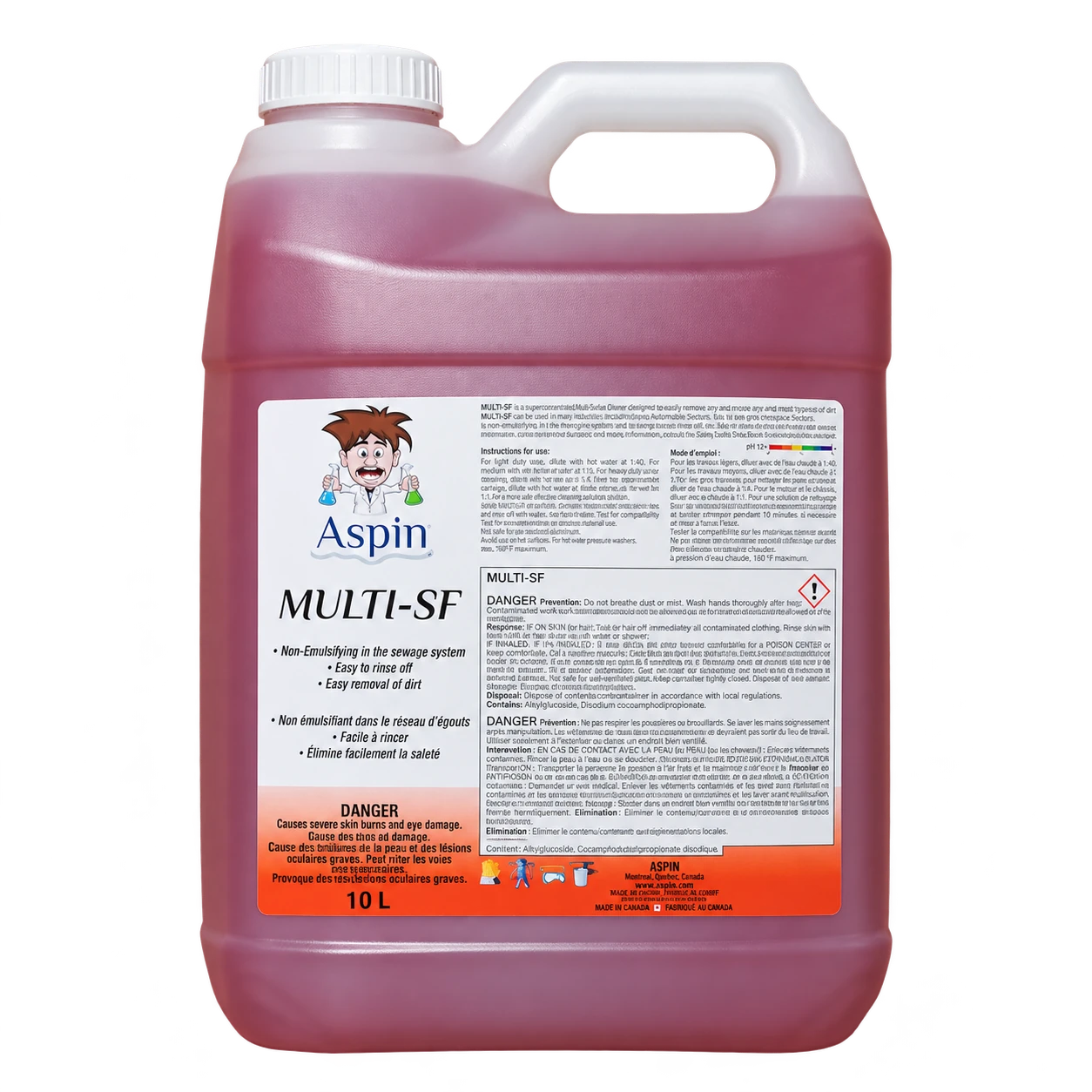
Identify the products present, their locations and the relevant SDS information. Consider the workplace’s receiving, storage and use arrangements. The plan should reflect what can happen at the site rather than a generic assumption about a small bottle of cleaner.
CCOHS chemical spill-response guidance calls for preparation based on the workplace’s chemicals and for clear distinctions between incidents handled internally and those needing a specialised response. Use that framework with a competent workplace assessment.
Name the decision-makers
Specify who raises the alarm, who controls access and who determines the response level. Include emergency and supplier contact routes appropriate to the site. Employees need a clear way to report an incident without feeling expected to clean it themselves.
Keep first-aid and emergency arrangements aligned with the workplace programme and product information. Do not improvise neutralising agents or cleanup materials from unrelated products.
Check readiness as a system
A plan should address:
- Product identification and document access.
- Notification and access-control procedures.
- Trained responder roles and limits.
- Appropriate response equipment determined by the assessment.
- Specialist assistance and waste-handling arrangements.
- Incident reporting and follow-up.
The presence of a box labelled “spill kit” does not establish that the contents suit every product or that an employee is trained to use them.
Review without staging exposure
Use a tabletop discussion to test contact details, document access and decision roles. Walk through an imagined scenario without opening chemicals or creating a spill. Record any missing information and assign an owner to resolve it.
Keep the plan current after product, package-size or storage changes. Use the inventory guide to track those changes and Aspin’s SDS centre for available product documents. In an actual incident, follow the workplace emergency procedure and seek the appropriate emergency assistance.