
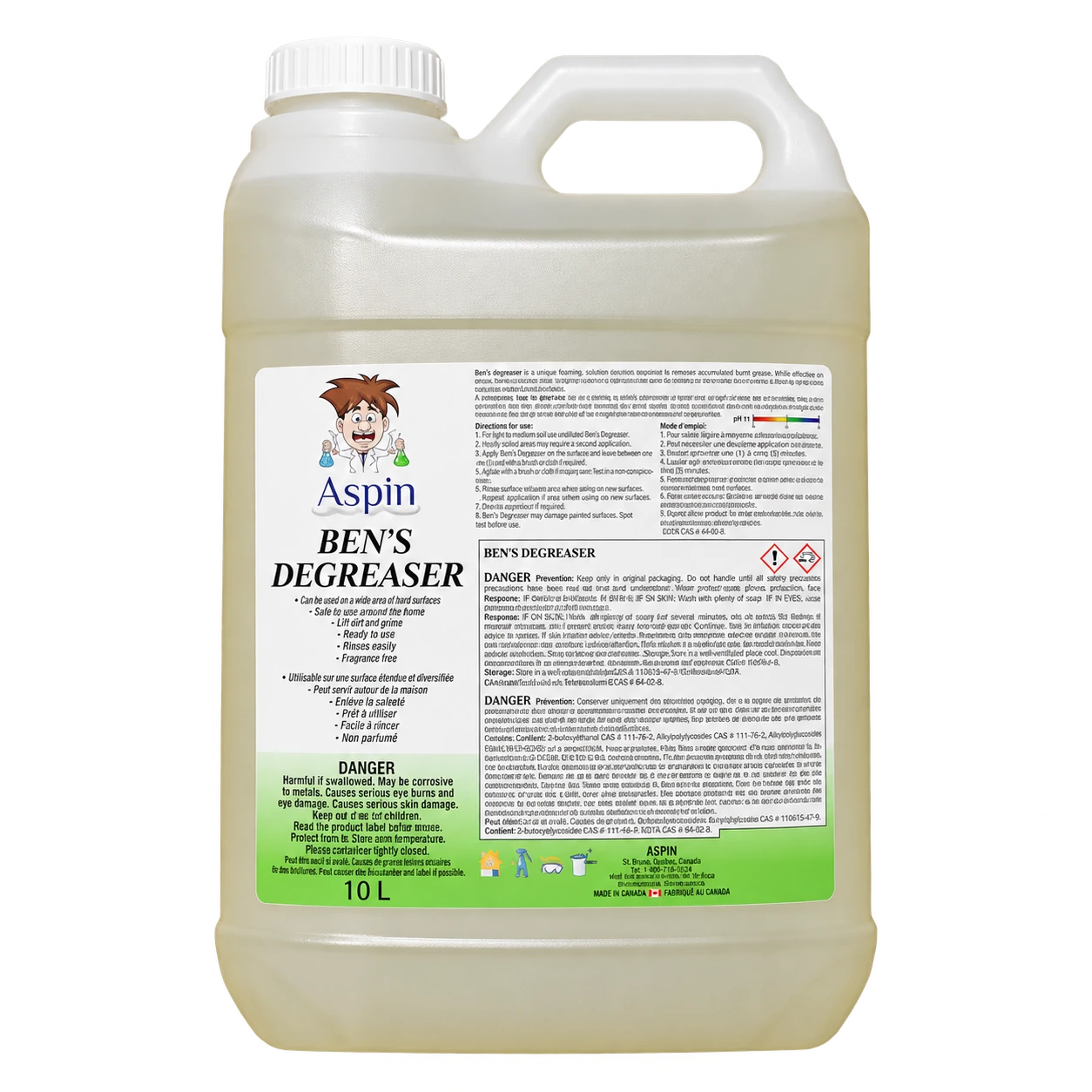
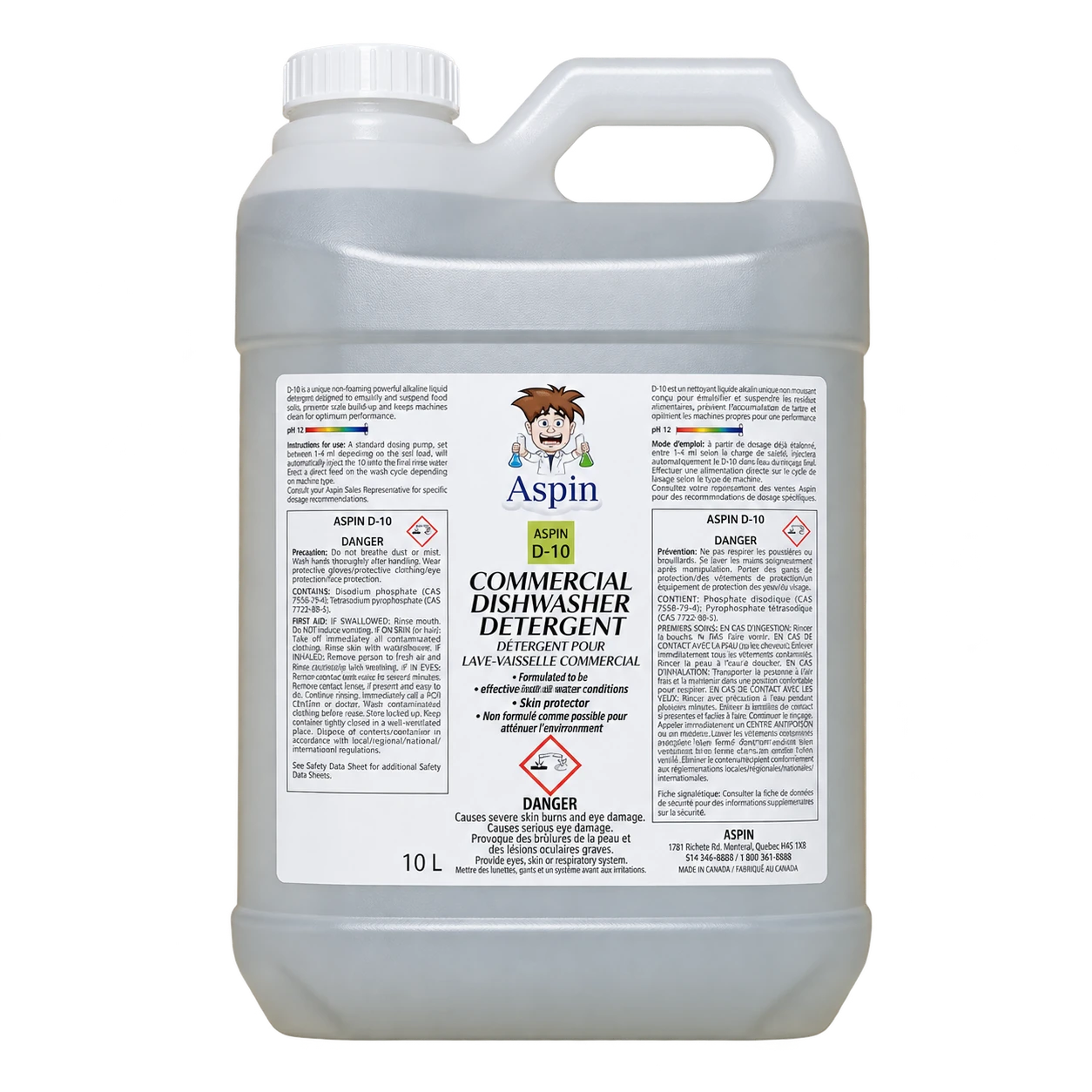
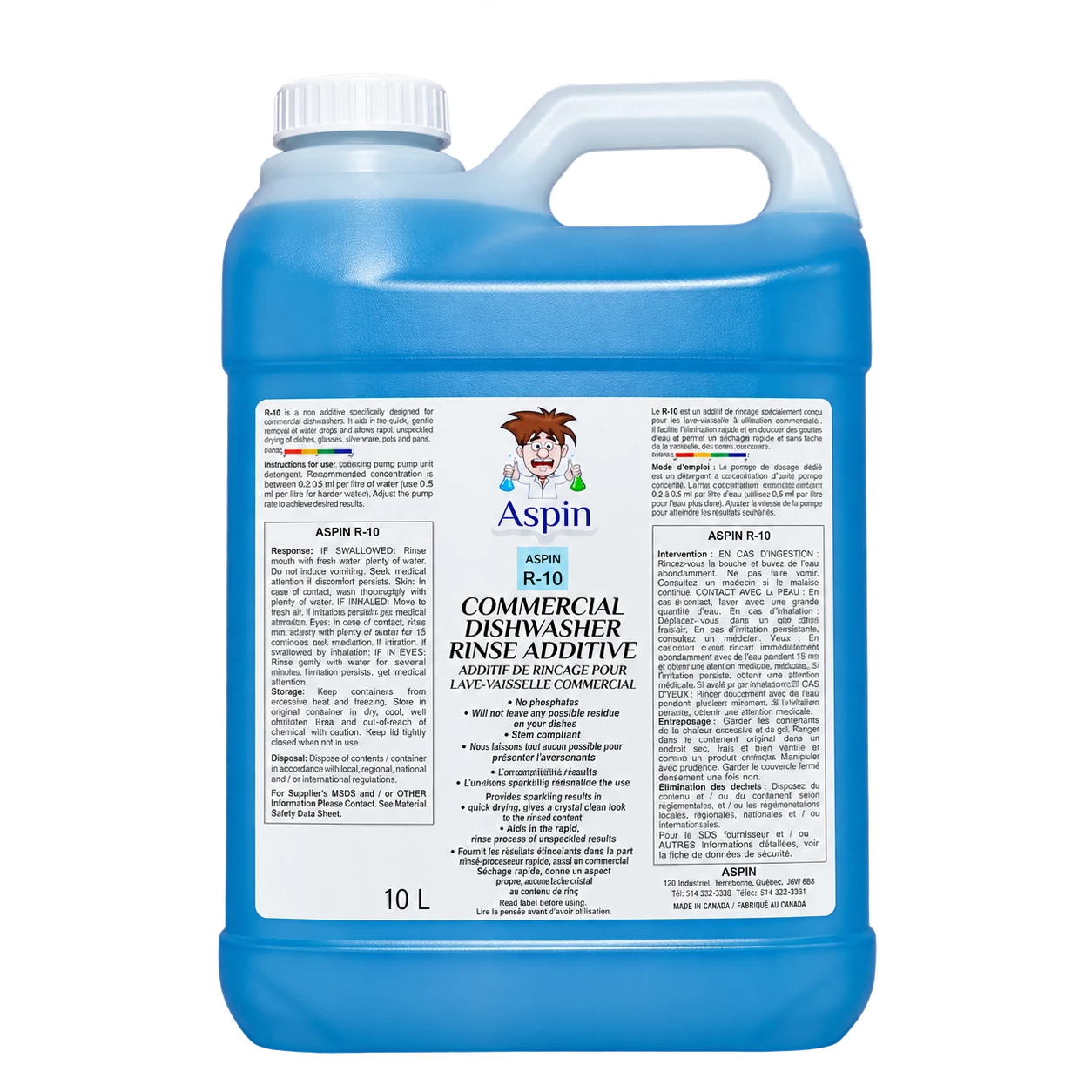
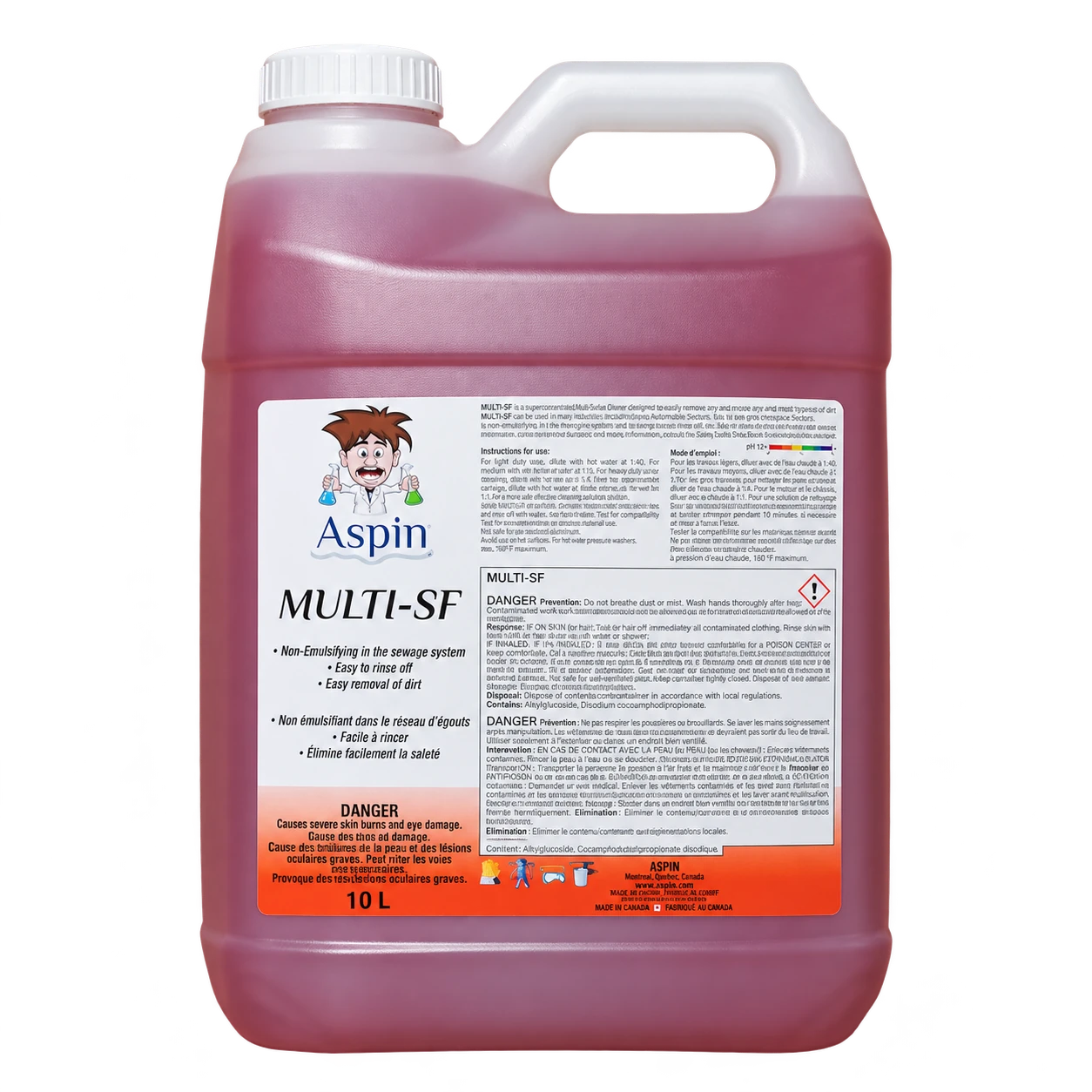
Watching a demonstration is different from being ready to perform a task. A practical understanding check lets the employee explain the method, locate the instructions and complete the approved work under appropriate supervision. It should form part of the workplace's required training programme.
Choose one task and the current procedure. Tell the learner what will be observed so the exercise feels like preparation for the work, not a surprise test of memory.
Ask for the reasoning behind the sequence
Useful prompts include: Which product is assigned to this task? Where are its instructions? What must be ready before you begin? What would make you stop and ask for help?
The answers reveal gaps that a yes-or-no question may miss. Someone can recognise a container by colour while still being unable to confirm its identity from the label.
Observe supervised practice
Use the normal workspace where possible and follow the approved training arrangements. Watch preparation, the task sequence, required checks and storage of tools afterwards. Do not deliberately create hazardous conditions to see how the learner reacts.
Record specific coaching needs. “Needs help locating the current procedure” leads to a useful correction; “needs more confidence” is harder to act on. Give the employee a chance to practise again after the instruction is clarified.
Include one realistic exception
Discuss a situation such as an unreadable label, unavailable tool or inaccessible surface. The desired response is the approved escalation route, not an improvised chemical substitution. Questions can be hypothetical without staging the problem physically.
Record the task, procedure version, trainer, date and outcome according to the site's training system. If independent work is not yet appropriate, specify the supervision or further training needed.
Review understanding when the method, product or equipment changes. Time served in the role does not automatically establish familiarity with a revised process.
The one-page procedure guide helps prepare usable instructions. Pair this assessment with the chemical-task handover checklist so staff know both how the task works and where its supporting documents are kept.