

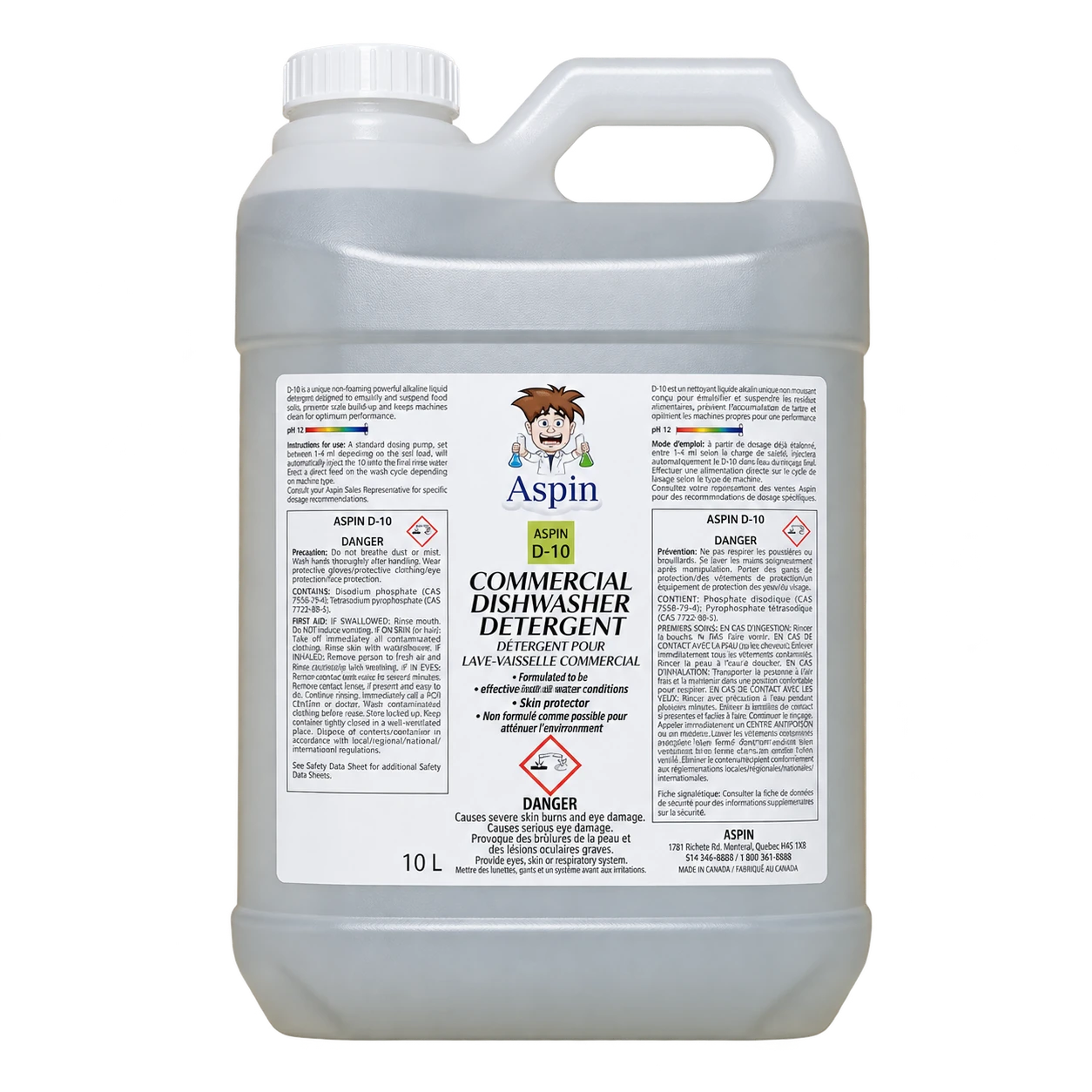

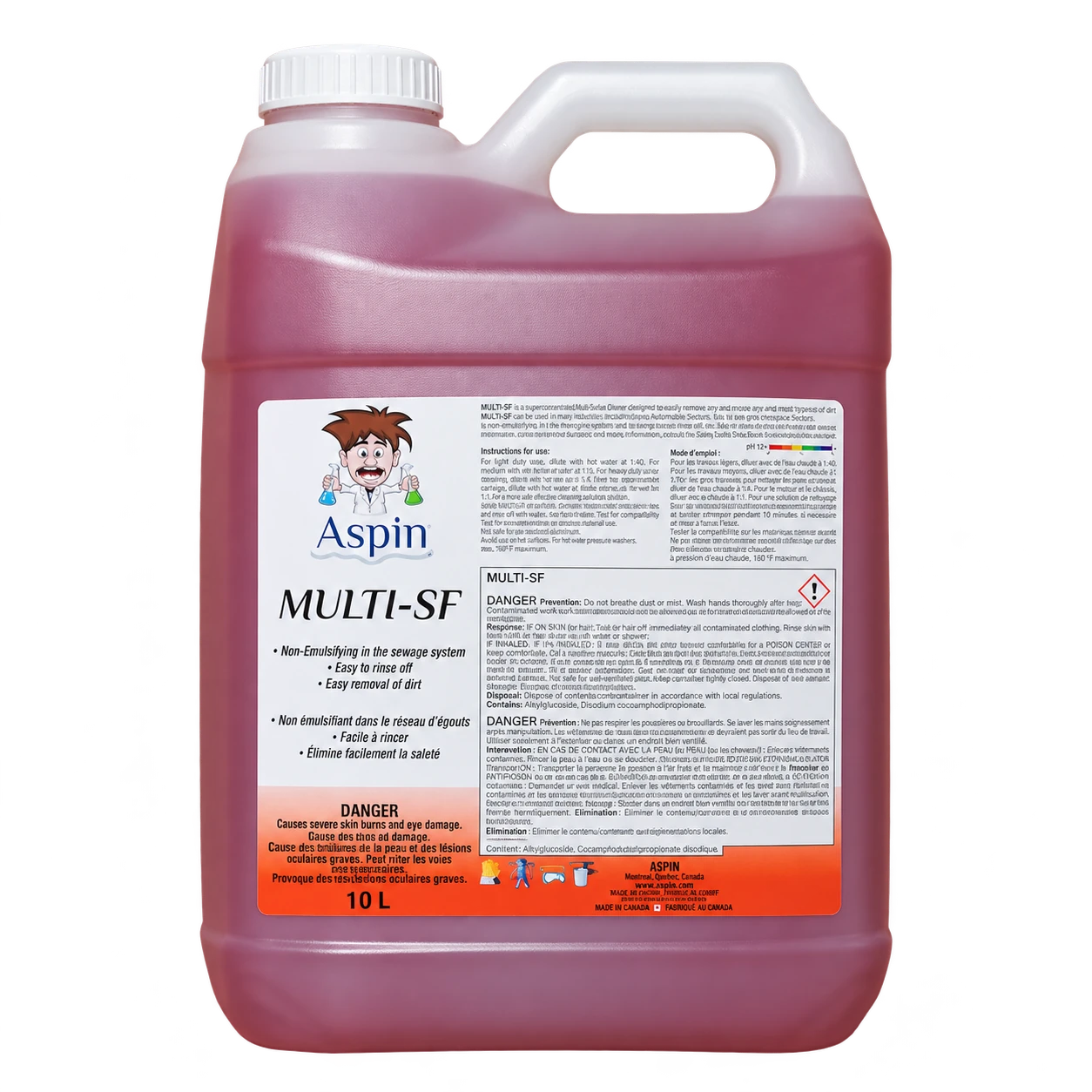
A cleaning budget should explain what resources the operation needs and why. Last year's spending is a useful reference, but copying it without checking workload, equipment and product changes can carry old problems into the next period.
Start with the scope: locations, operating days, scheduled tasks and the services included. Decide whether the budget covers internal labour, contractor work, products, consumables, equipment support or all of these.
Separate recurring and one-off costs
Recurring items may include product supply, replacement tools, routine labour and agreed service attendance. One-off items can include a new storage arrangement, opening supplies or a planned equipment project. Keep the categories separate so a project does not distort the apparent cost of normal operations.
Mark estimates, confirmed prices and unknowns. Where a cost depends on a quotation or site assessment, assign someone to obtain it rather than silently entering zero.
Use workload assumptions
Estimate quantities using relevant operating measures and documented consumption where available. A hypothetical budget might assume 250 operating days and a defined number of tasks per day; changing that assumption should visibly change the quantity calculation.
Use the consumption-log guide for supply data and the labour-cost guide for task time. Avoid counting the same labour or service charge in more than one category.
Review cost alongside results
A lower product bill is not necessarily an improvement if rework, labour or downtime increased. Compare the budget with the required task outcomes and the complete scope of work.
Create a simple monthly review showing budget, actual spending, workload and the reason for material differences. Distinguish a timing difference in deliveries from a sustained change in consumption.
Agree how unexpected repairs or supply changes are authorised within the business's normal financial controls. This guide structures operating information; it is not a recommendation about borrowing or investment.
Before finalising the plan, contact Aspin for current product or service information relevant to your operation. A useful cleaning budget makes assumptions visible and supports timely decisions about the resources required for dependable daily work.