
“Commercial” and “household” are broad descriptions, not a complete product specification. A business should choose a cleaner for its intended task, compatibility and approved process rather than assuming one category is always stronger or more appropriate.
Start with the application. Machine warewashing, heavy equipment degreasing and routine surface care are different tasks. The relevant label and equipment instructions should guide the selection.
Compare the actual product requirements
Read the intended uses, application directions, compatibility limits and required handling information. Consider whether the workplace has the correct storage, dispensing equipment and trained staff for the proposed product.
A concentrate may require a controlled preparation or dispensing arrangement. A ready-to-use product may simplify one task while creating a different storage or purchasing requirement. Neither format is automatically the best choice for every business.
Include the operating process
For a commercial dishwasher, use the products and feed arrangement appropriate to the machine. Do not assume a hand-dishwashing product can be substituted because both products are associated with dishes.
For surfaces, identify the material, finish and soil. A product marketed for heavy-duty work can be unsuitable for a delicate finish, while a routine cleaner may not address the specific task. Ask the supplier when the information is incomplete.
Assess the full purchasing impact
Compare usable quantities, staff time, documentation, storage and supply continuity. Use the same approved task outcome when evaluating cost. Container price alone can hide differences in preparation, application and rework.
If changing products, follow a documented assessment and briefing process. Staff should not have to infer new instructions from a similar-looking bottle or a familiar fragrance.
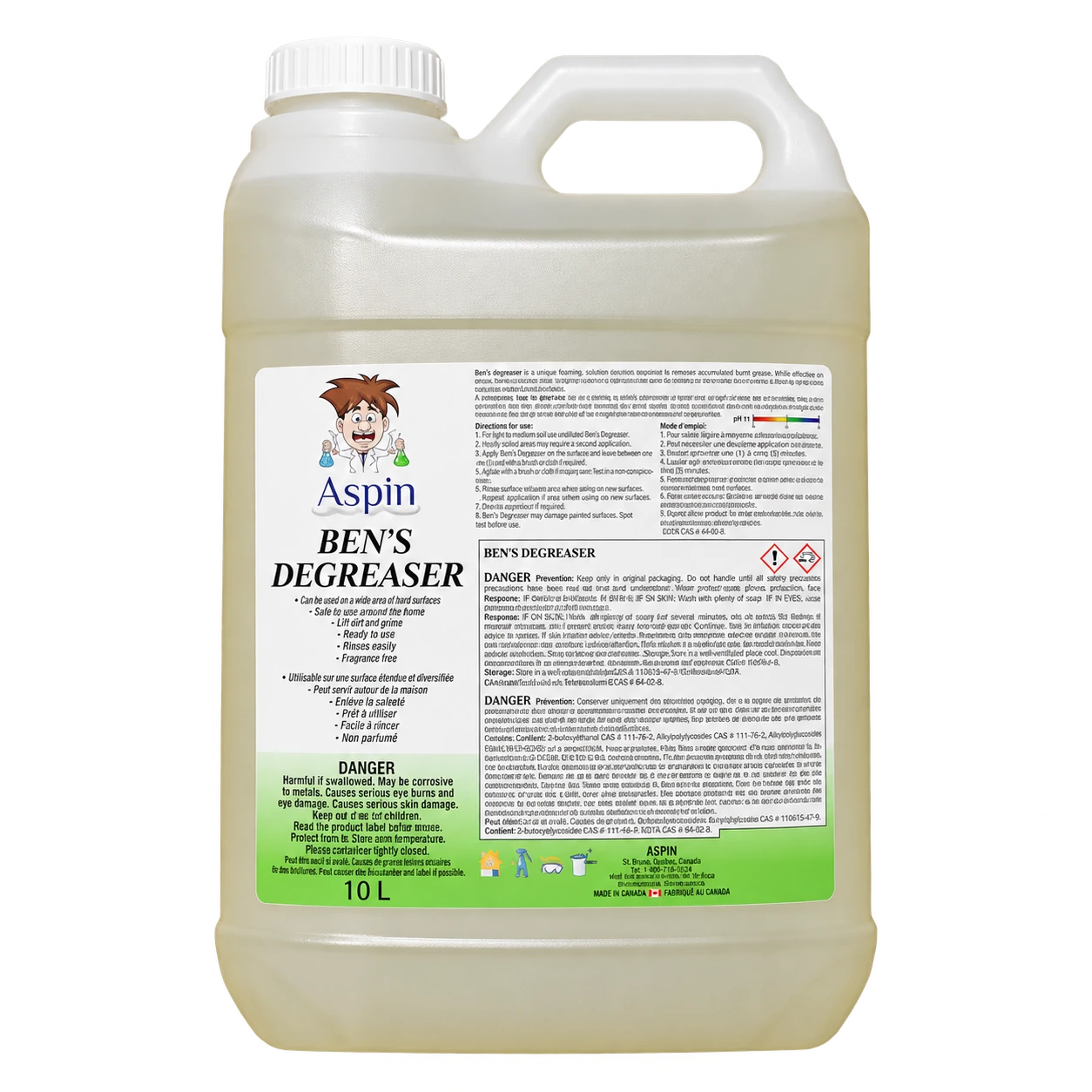
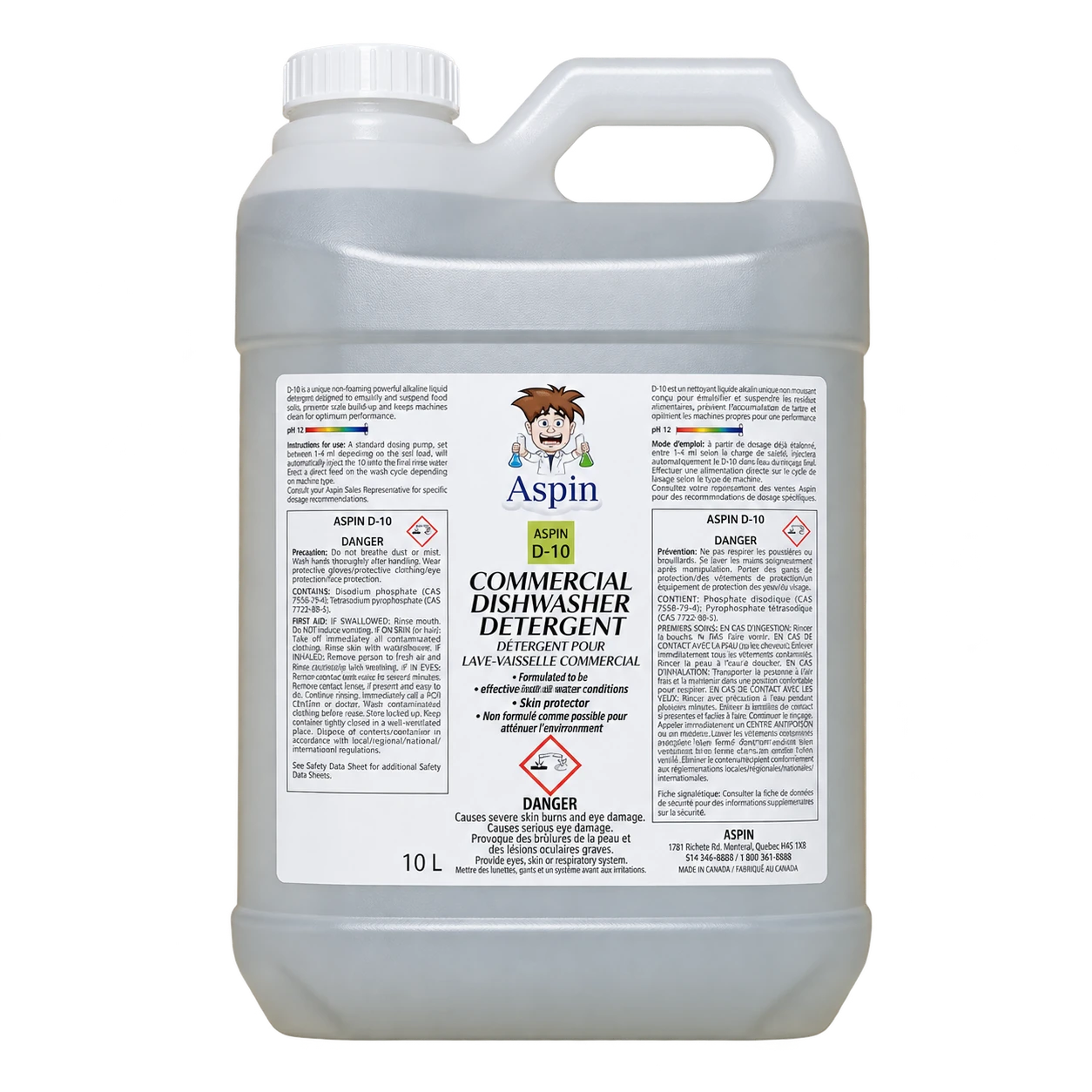
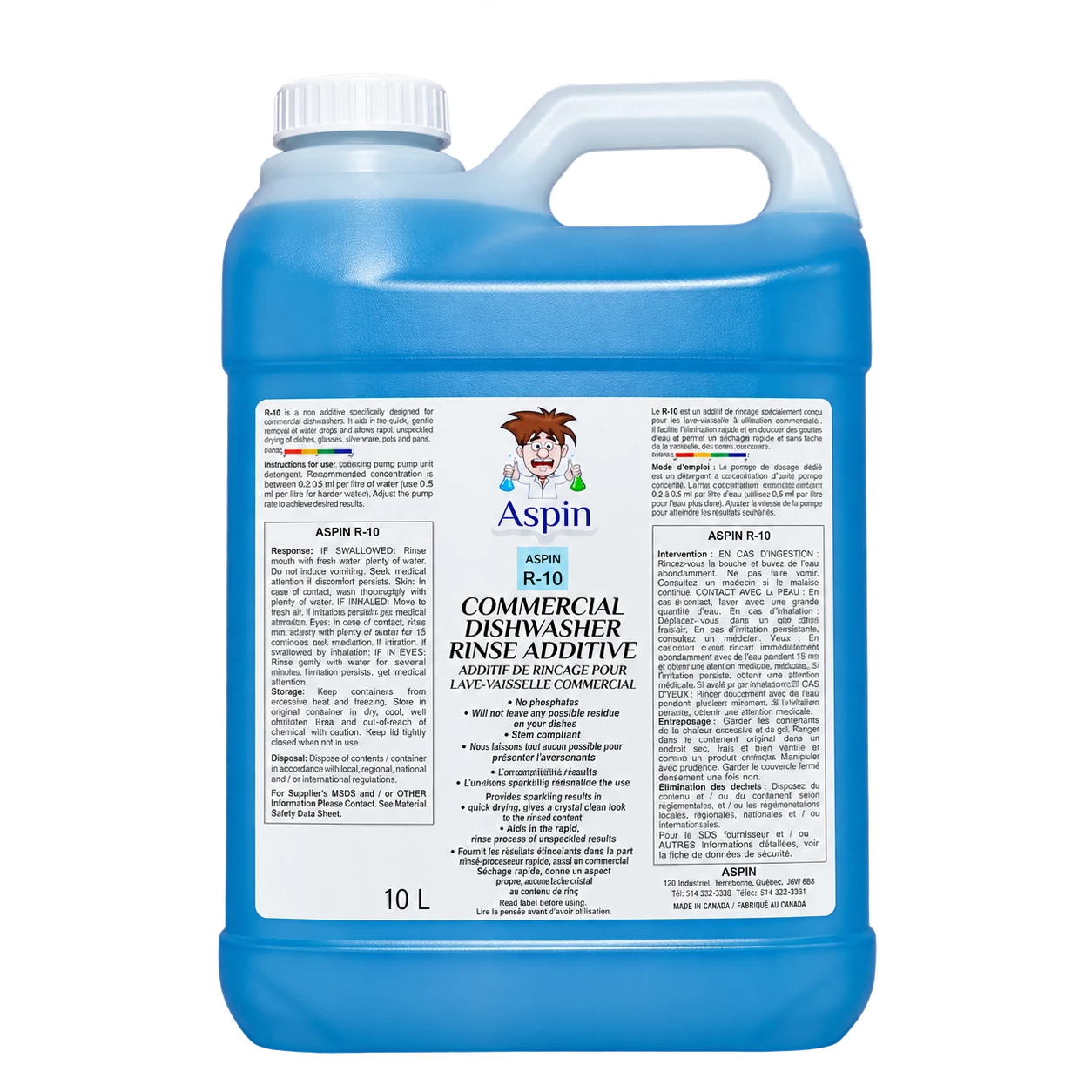
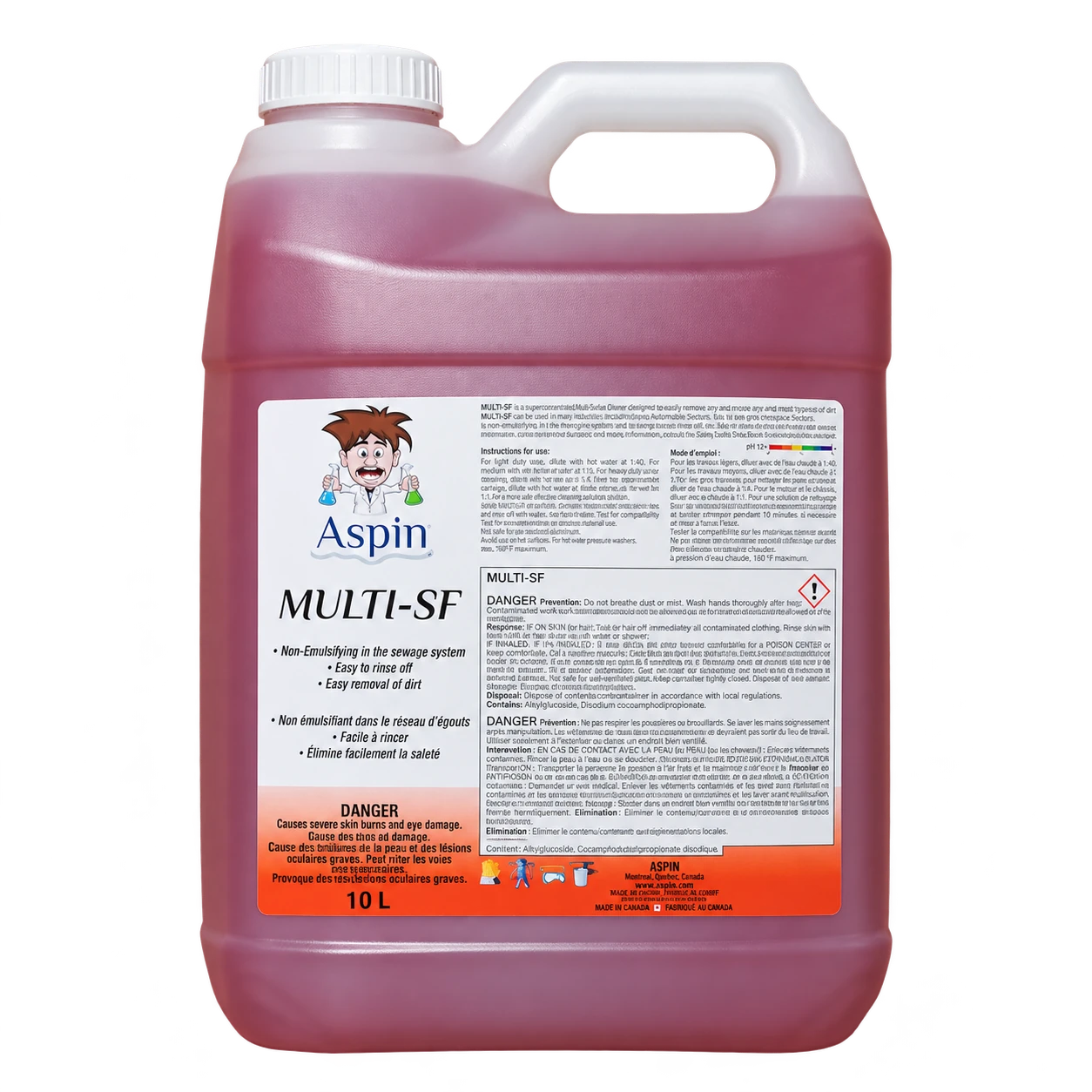
The concentrate-versus-ready-to-use guide examines format choices, while the product comparison page explains Aspin's four different cleaning roles. Use those distinctions to frame the conversation, then confirm suitability for the actual task with the supplier. A clear application match is more useful than a general label such as professional, industrial or extra strong.