
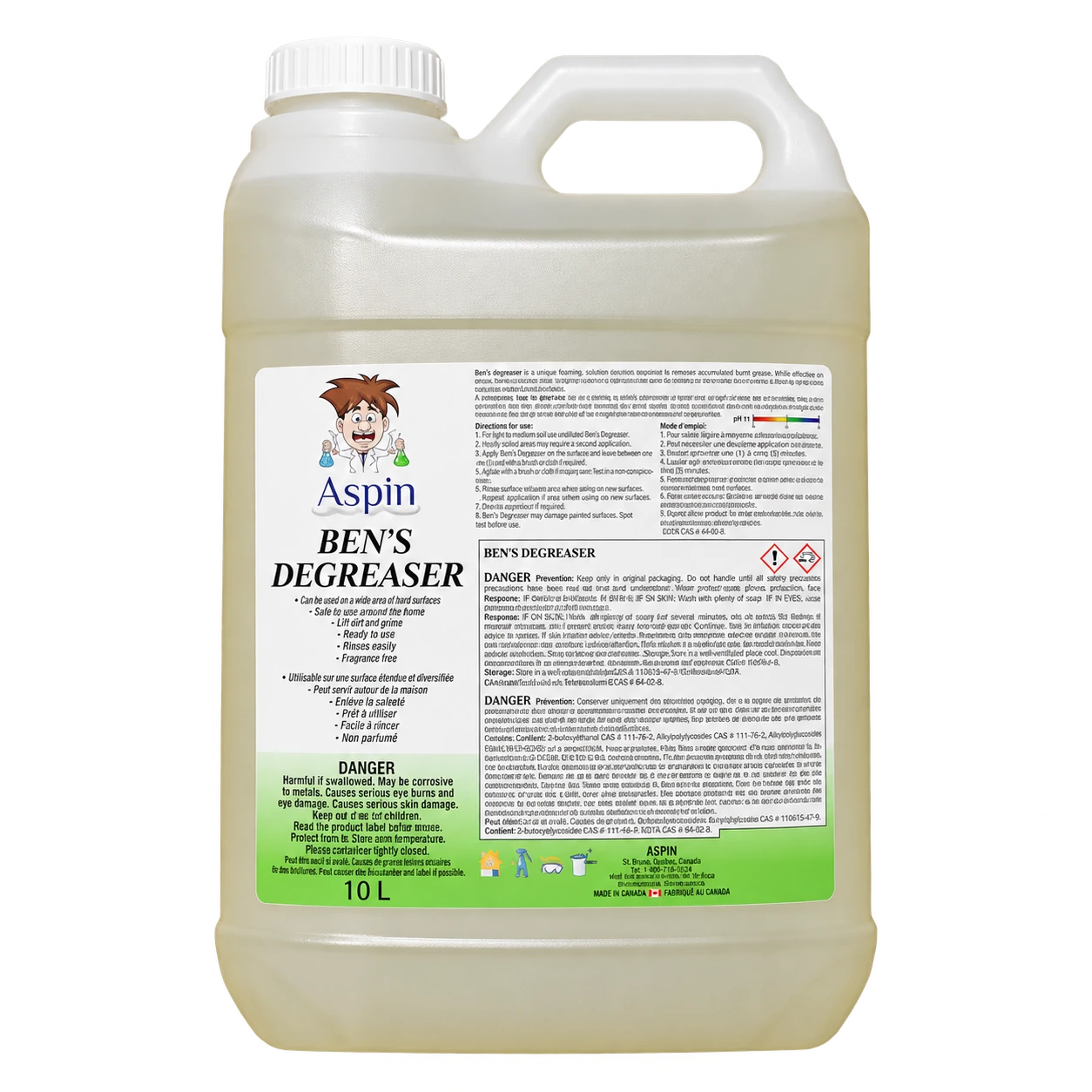
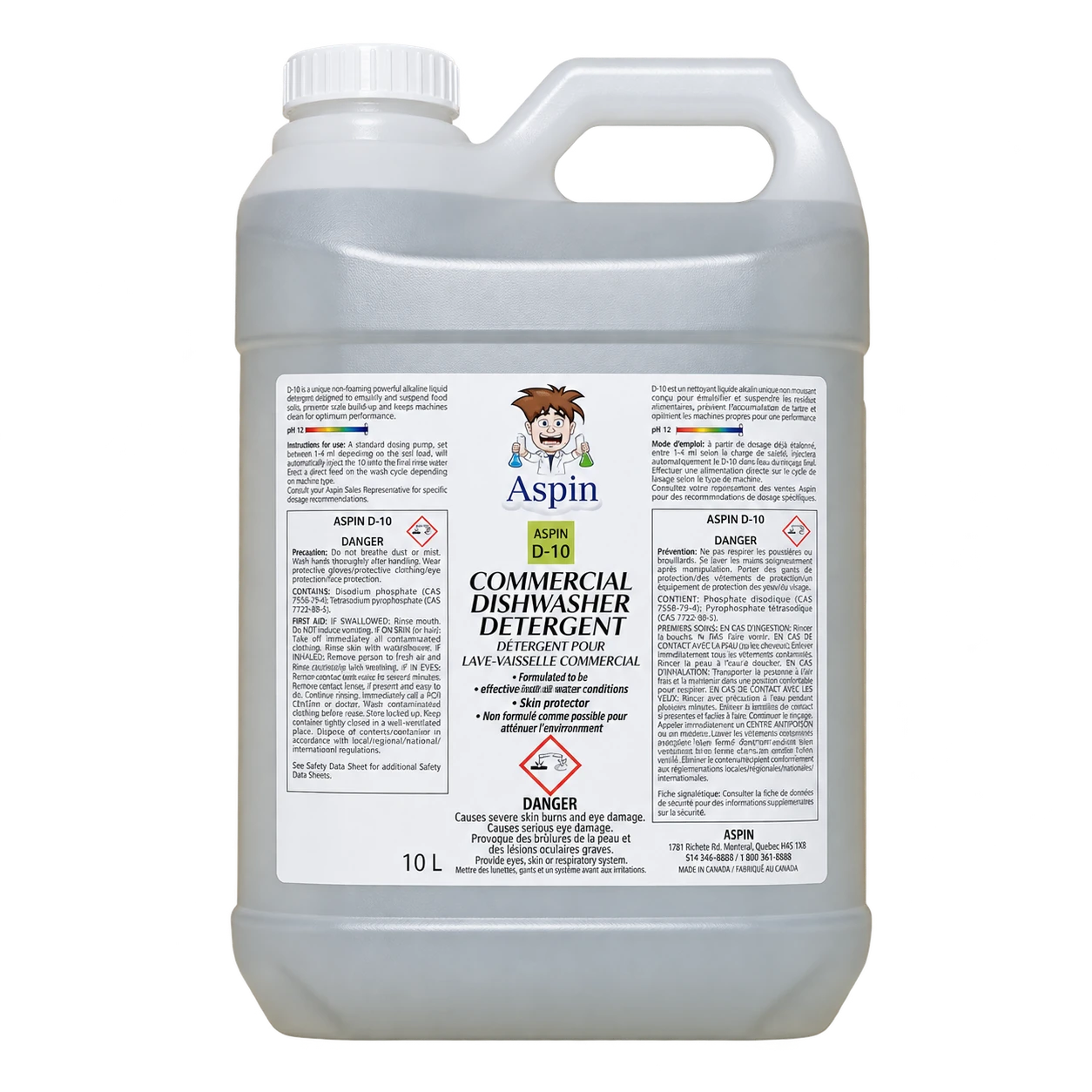
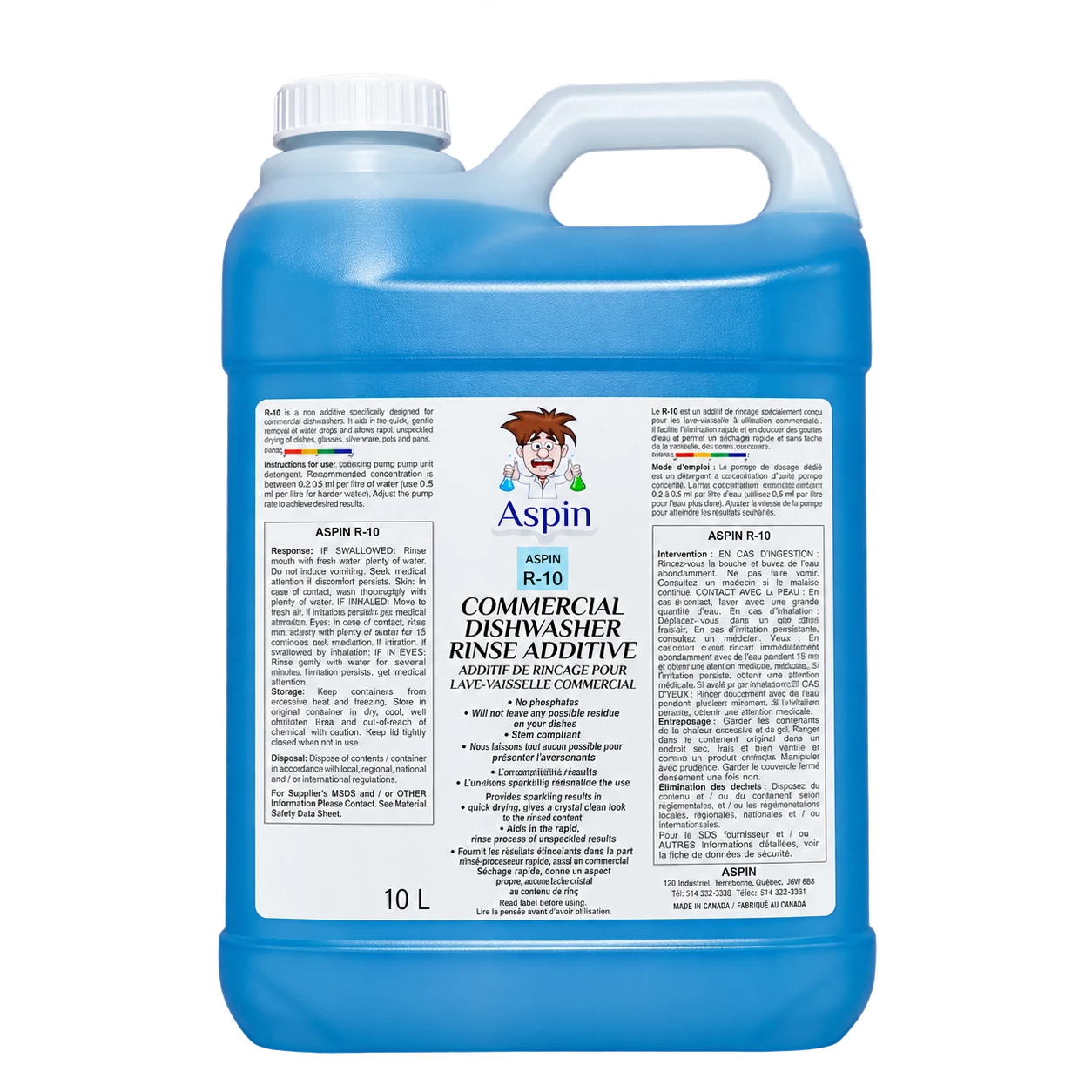
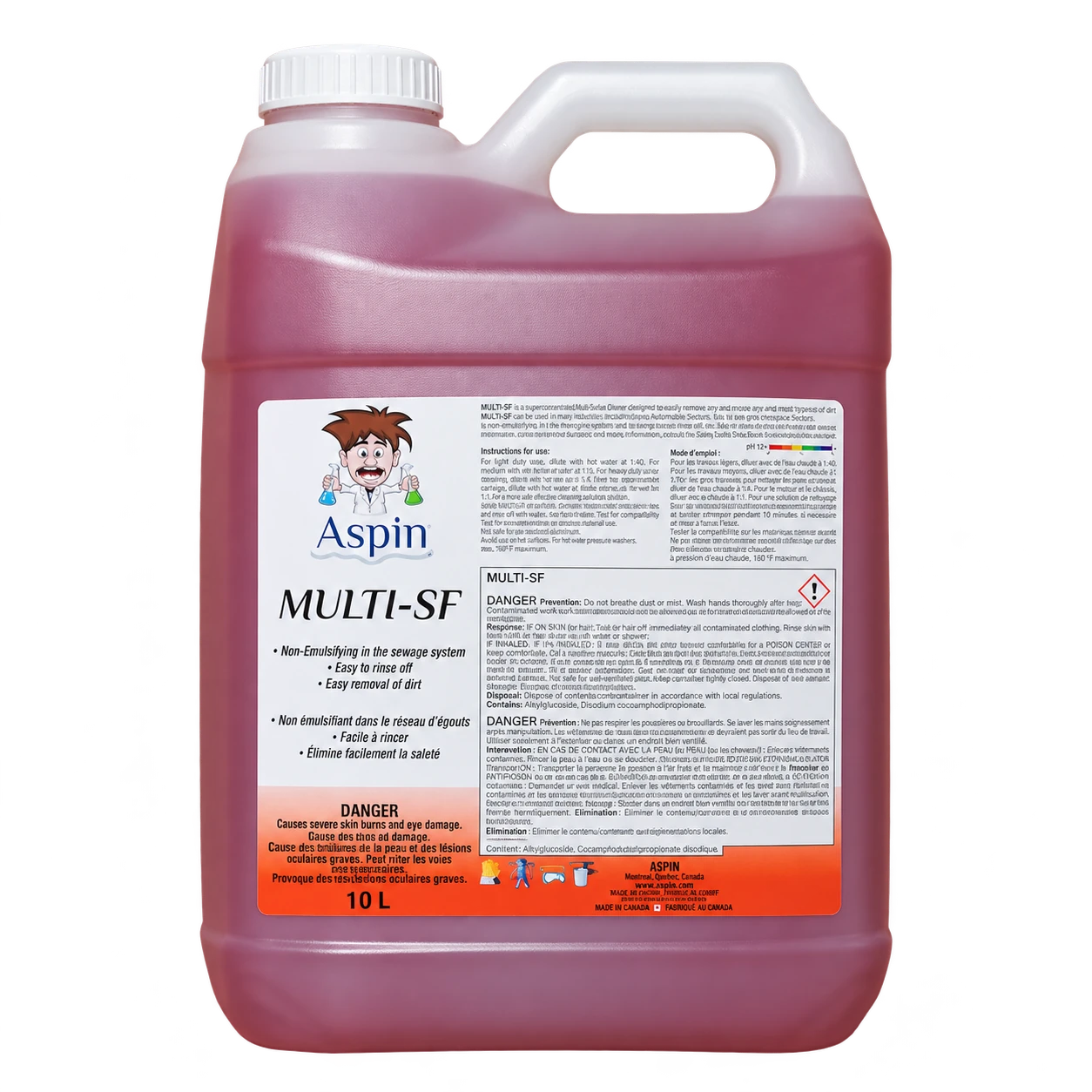
A quote comparison is useful only when the offers answer the same request. A lower total may reflect a different package size, omitted delivery or a narrower service scope. Build the comparison around the work your business needs to perform.
Write the request before reviewing prices
List the intended applications, current equipment where relevant and expected supply frequency. Identify the documents, support and delivery arrangements you need the supplier to explain. Avoid specifying only an informal product name such as “degreaser.”
If alternatives are welcome, ask suppliers to identify them clearly. A proposed substitute should be assessed for suitability rather than hidden as an equivalent line item.
Put every offer on a common basis
Create columns for product identity, container size, unit price, delivery charge and other stated conditions. Keep taxes consistent in the comparison. For concentrates, use only the actual approved instructions when estimating solution yield.
Separate product costs from equipment service or other support. A bundled arrangement may be useful, but the business should understand what is included and what triggers an additional charge.
Record the non-price questions
- How is product suitability for the application confirmed?
- Which current instructions and safety documents are supplied?
- What lead time and order process are proposed?
- Who handles product or dispensing questions?
- What happens if an item is unavailable or incorrect?
- Which service terms require separate agreement?
Do not convert an unconfirmed promise into a scored fact. Mark the question as pending and obtain clarification before relying on it.
Write the decision in one paragraph
State which offer best fits the defined scope, the major trade-off and any remaining condition. Keep the comparison with the purchase record so the next buyer can understand the choice.
For cost calculations, see usable-solution cost and dishwasher cost per rack. Review the Aspin range by intended task, then contact the team for current pricing, availability and support details rather than assuming terms from a general product page.