


An SDS register is a navigation tool. Its purpose is to help the team locate the correct safety data sheet for the product present at the workplace. A folder containing many PDFs is not automatically an effective register.
Use one clear product name
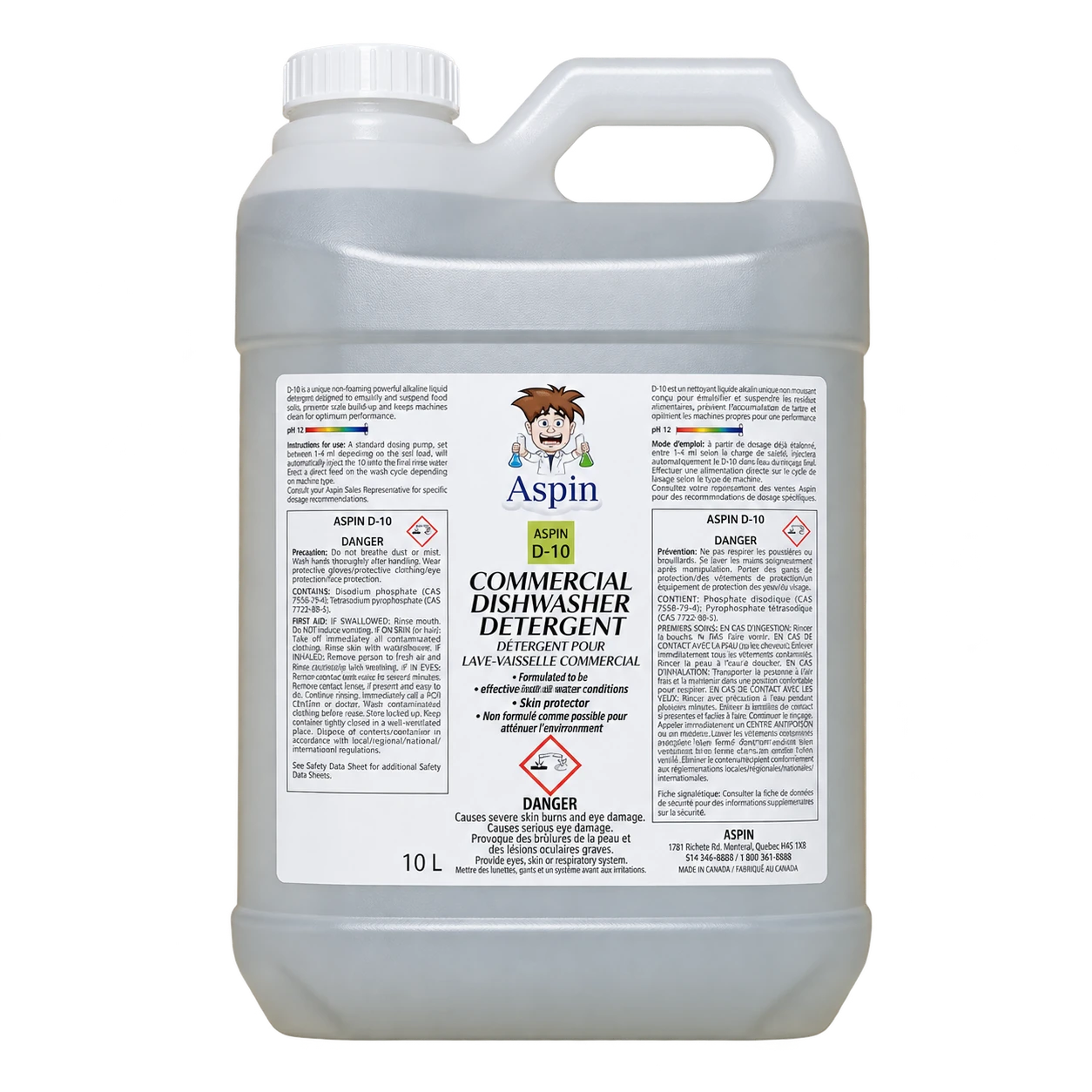
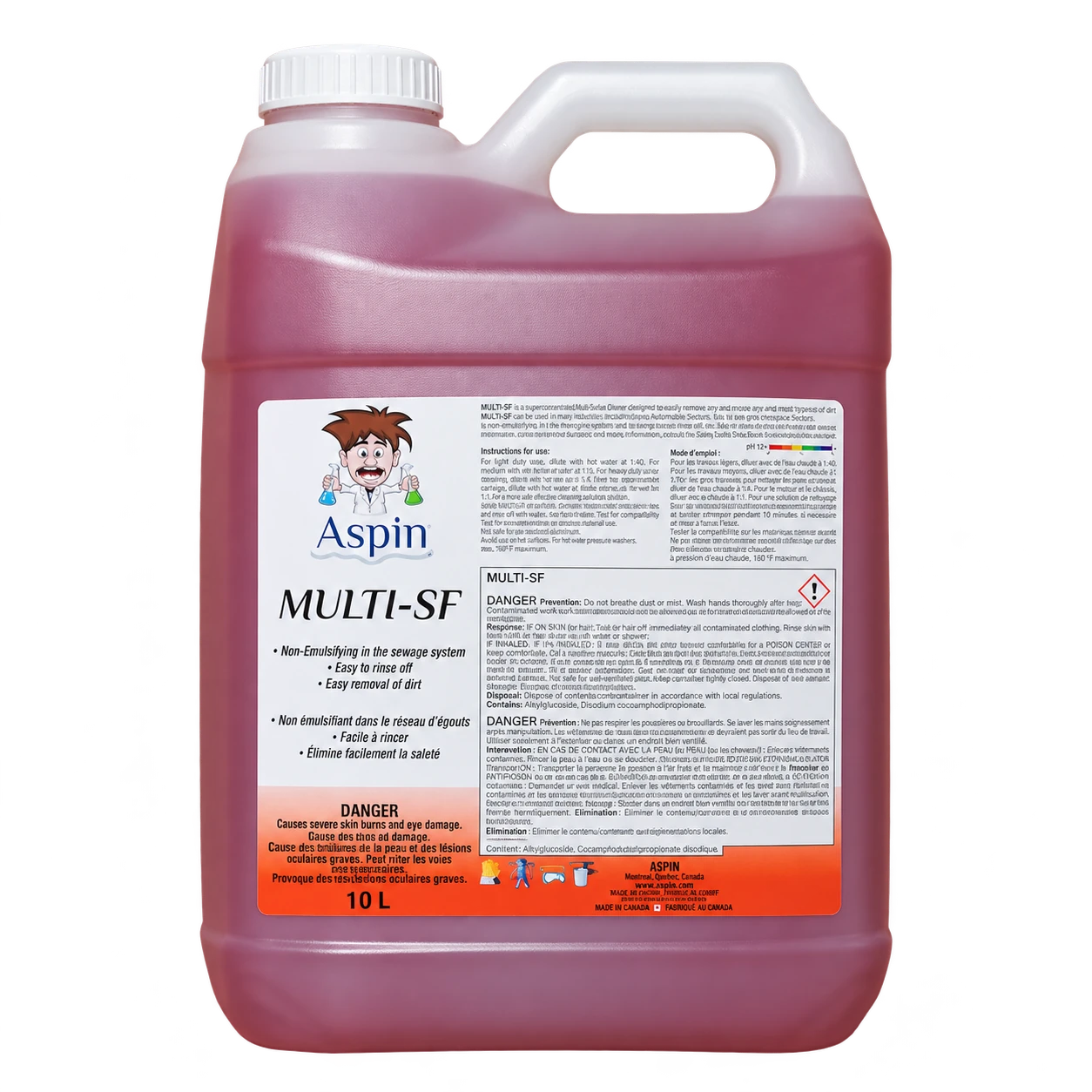
List the full name shown on the container and add an internal nickname only as a secondary search aid. Include the supplier and product code where available. This reduces the chance of opening a document for a similarly named product from another source.
Map the product to its normal use or storage location. Keep that information current when supplies move, and avoid turning the register into an instruction to rearrange chemicals without the appropriate storage assessment.
Keep the register concise
Useful columns include:
- Product identity and supplier.
- Workplace location or task.
- SDS revision date shown on the document.
- Language and file or binder location.
- Date obtained and source.
- Record owner and pending follow-up.
The register should point to the complete SDS. Do not replace it with a few selected warnings copied into a spreadsheet.
Test the access route
Ask employees from different shifts to locate a named product’s record using the normal workplace arrangement. Check access when the usual supervisor is absent and when a shared device or network is unavailable. Use the workplace’s applicable requirements to determine the necessary access arrangements.
Record the problem if a document is missing, unreadable or mismatched. Assign an owner to obtain the correct version and make the unresolved status visible until it is addressed.
Review the register through purchasing
Connect new-product approval and receiving to document maintenance. A new product should not enter routine work while the register still points only to the product it replaced.
Keep historical documents in an identified archive where required by your record policy, and distinguish them from active references. See CCOHS’s WHMIS programme guidance for broader programme context. Start with Aspin’s SDS centre for the available product files and confirm current versions with the supplier.