
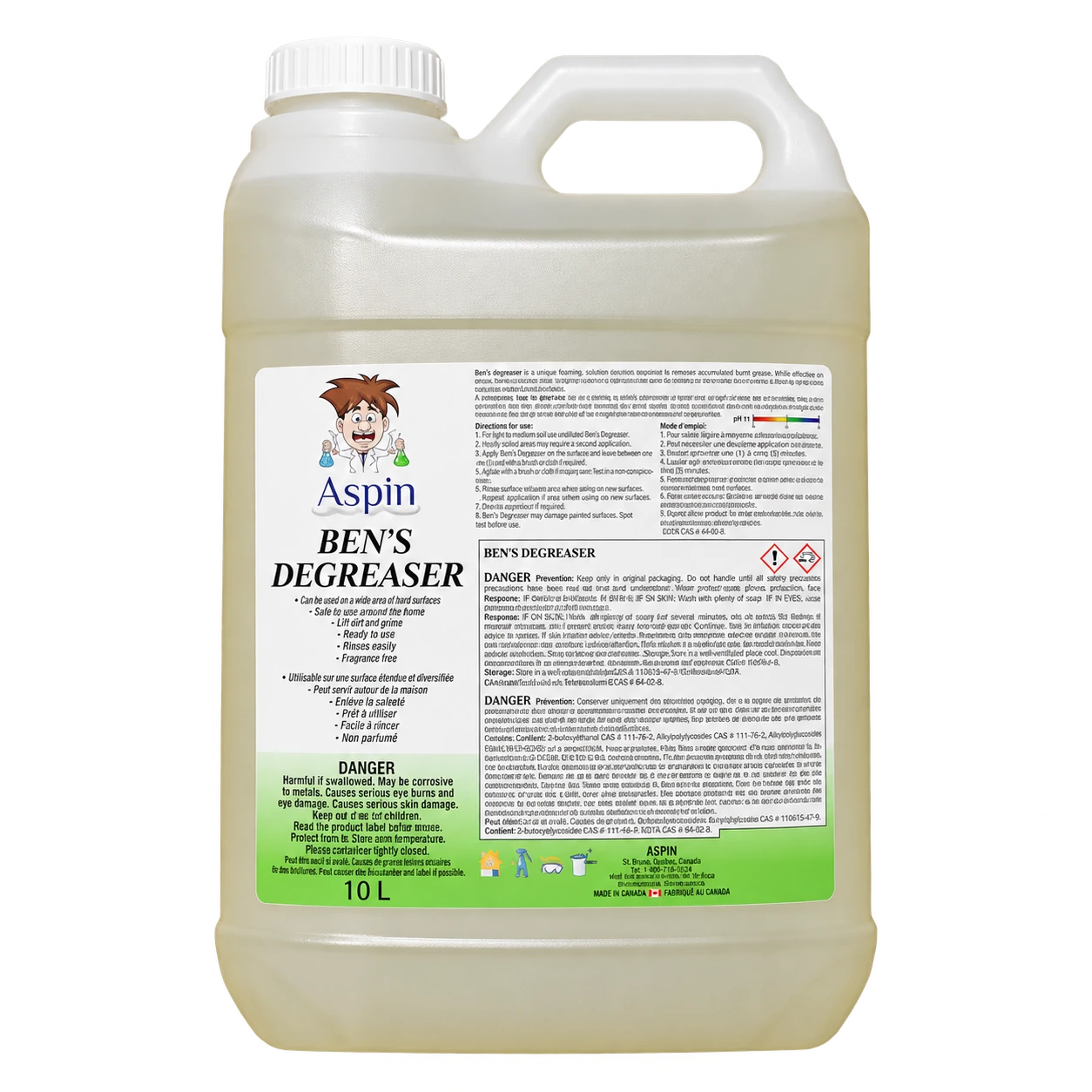
A rinse-additive setting should be considered in the context of the installed machine and its operation. An employee’s role is often to report a useful observation, while the responsible service provider determines whether an adjustment is appropriate.
Write down the symptom
Be precise about what is changing. “Cups retain droplets after the normal process” is more useful than “the rinse aid is wrong.” Include the affected ware, the rack arrangement and whether the issue appears throughout the shift or only at a particular time.
Record any simultaneous wash complaint. If food residue remains, that needs to be understood alongside the drying concern rather than hidden inside one general performance report.
Capture the equipment context
List the machine make and model and the full product names. Note the last service date, recent container changes and any known alteration to the water or operating process. Staff should not open equipment panels or disconnect lines to collect this information.
Use a simple request sheet:
- Equipment identity and location.
- Rinse-additive product name.
- Description and photographs of representative ware.
- When the symptom started.
- Recent process, product or service changes.
- Contact person available during normal operation.
Ask for a documented outcome
When a service provider attends, request a plain-language record of what was checked and any approved change. The site should know whether a setting was adjusted, a supply issue was corrected or further investigation is needed.
Do not treat a new setting as a universal recommendation for another machine. Keep it with the equipment record and limit adjustments to authorised personnel.
Review under similar conditions
Observe comparable ware during a representative service period after the intervention. Record improvement, no change or a different symptom using the same language as the initial report. That makes a follow-up call much more effective.
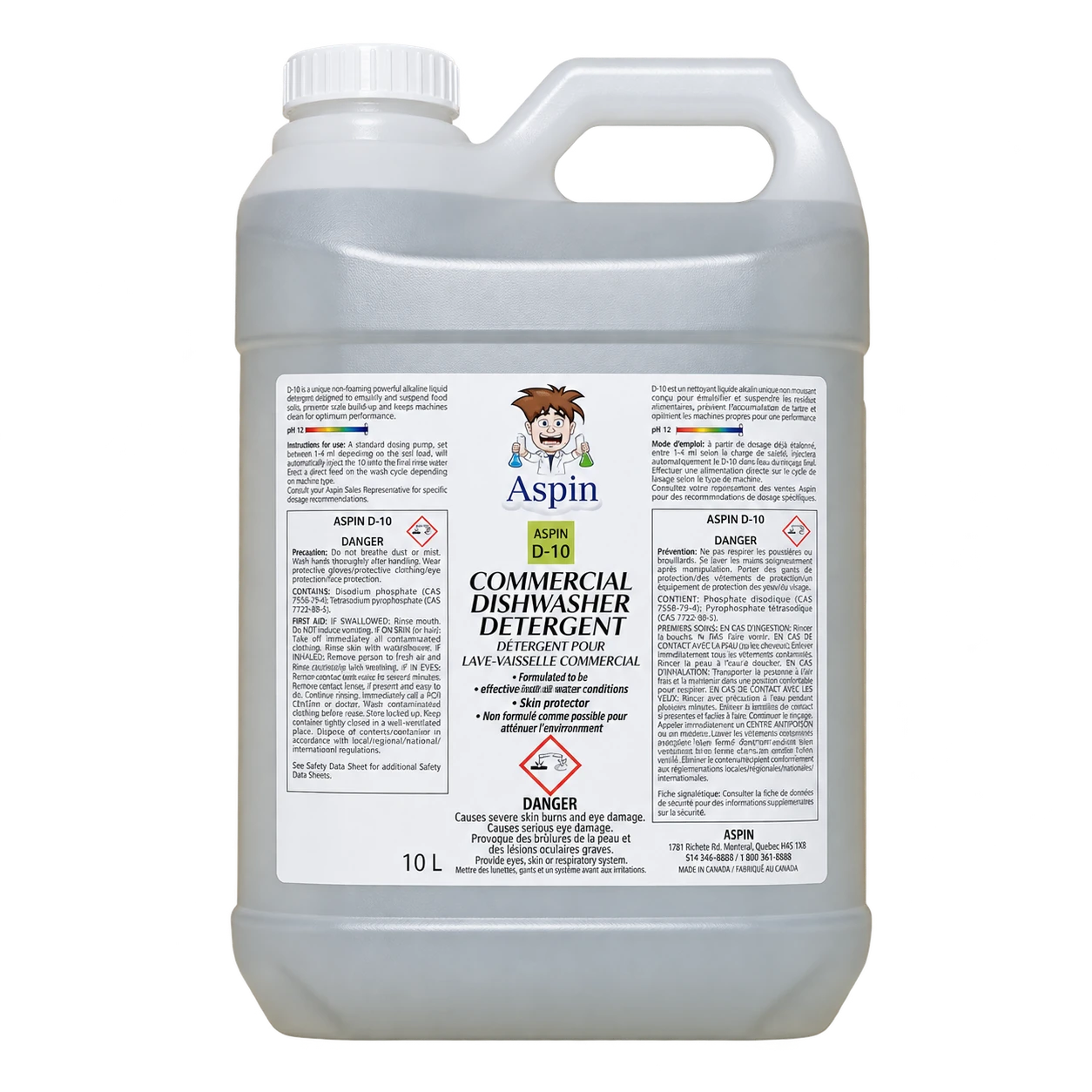
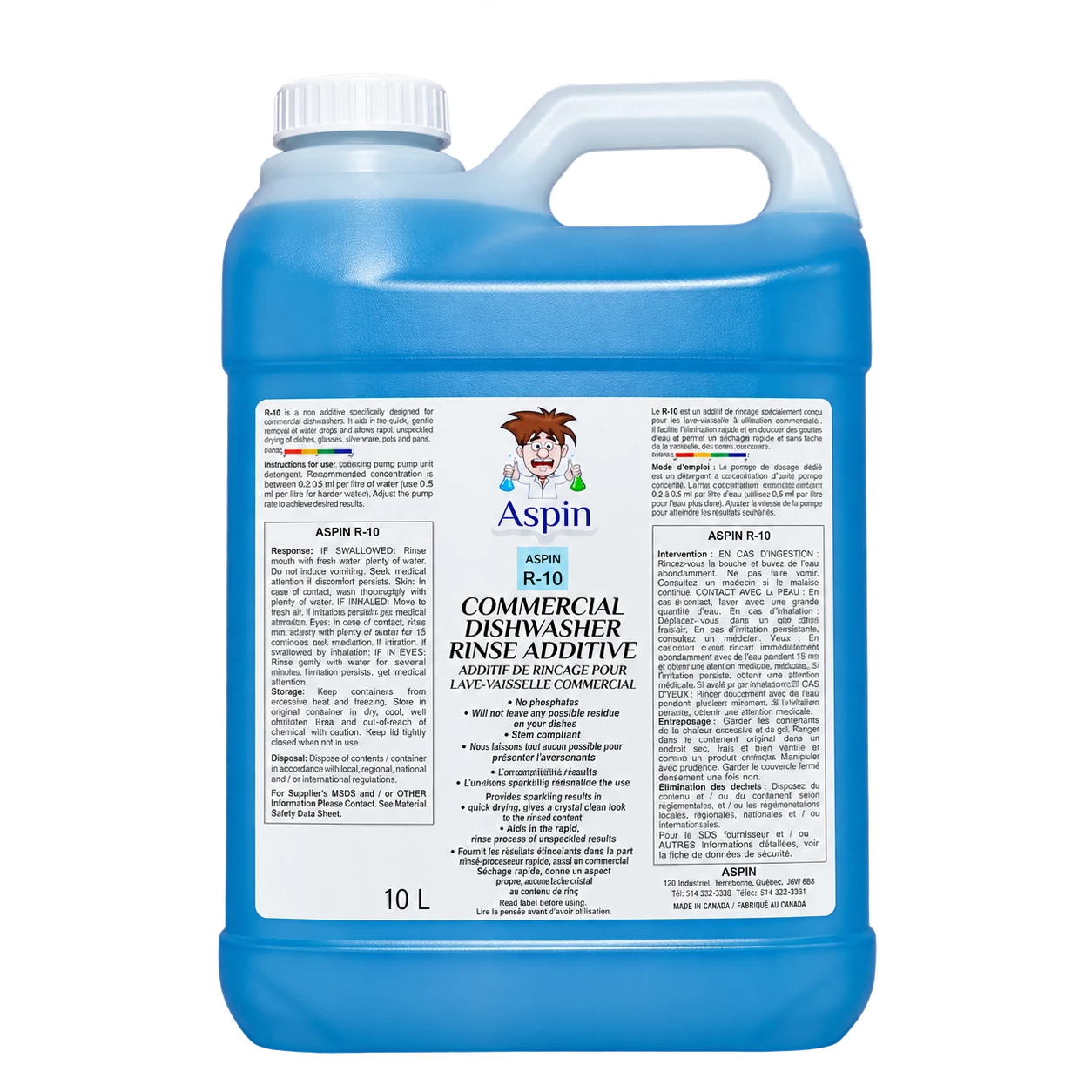
Aspin R-10 is a commercial dishwasher rinse additive. Its role is distinct from D-10 detergent. If you are planning a product transition, use the detergent-change checklist to coordinate the wider setup rather than changing one component in isolation.