



A small café may have fewer square metres to clean, but those metres often serve several purposes. The same staff member may receive deliveries, prepare drinks and manage dishes. The cleaning plan therefore needs clear transitions as well as a list of tasks.
Sketch the layout and mark preparation, dish return, clean storage, waste and cleaning-product storage. Look for places where the routes cross or where a temporary pile of items blocks the next task.
Make storage decisions explicit
Give cleaning tools and products defined locations consistent with their instructions and the workplace's requirements. Avoid relying on an unlabelled spare cupboard that becomes overflow food storage during a busy week.
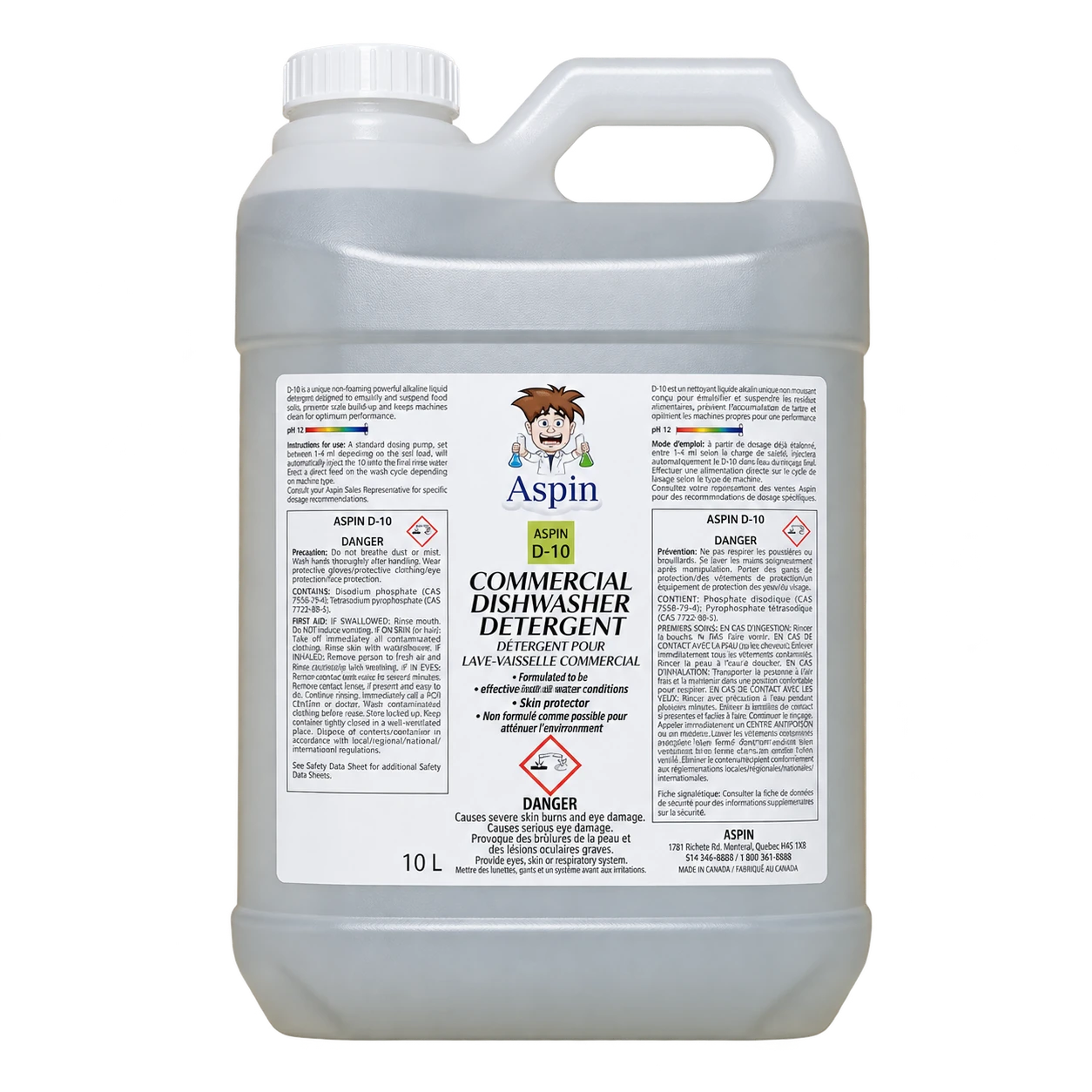
In a compact space, container size matters. Choose a supply format only after considering safe handling, storage and dispensing arrangements. The container-size guide provides a purchasing checklist; a larger pack is not automatically the most practical option.
Use service transitions
Identify the quiet windows that actually occur: before opening, between peaks and after the final service. Assign suitable tasks to those windows while retaining any tasks that must occur immediately or at specified intervals under the site's procedures.
Keep task cards short and close to the work. A card should identify the item, approved method, responsible role and completion check. Refer to current product and equipment instructions rather than inventing one universal method for every surface.
Prevent the end-of-day pile-up
Observe where dishes, waste or restocking accumulate. A small change in responsibility during service may remove a large closing bottleneck. For example, a defined replenishment check can prevent the closing team from discovering that tomorrow's essential supply is missing.
Separate routine compatible-surface cleaning from food-contact processes and equipment-specific procedures. Multi-SF is a product to discuss for everyday soil on compatible surfaces; its suitability still depends on the actual task and instructions.
Review the routine with both opening and closing staff. A compact plan succeeds when the next person can see what is ready, what remains unfinished and where the necessary tools belong.