
A visual check can identify obvious residue, damage or handling problems. It does not replace the operation’s required verification of washing and sanitizing. Give staff a clear description of what visual inspection can decide and what must be checked through another procedure.
Define the inspection point
Choose where in the approved workflow the check occurs and who owns it. Keep the handling method consistent with the site’s clean-side procedures. If several employees check ware at different points, they may be describing different stages of the process.
Use suitable, consistent lighting and avoid making acceptance decisions from a photograph alone. Images are useful for recording a recurring appearance, but a photo can conceal residue or exaggerate reflections.
Create useful rejection categories
Keep the categories descriptive and limited enough to use during service. For example: visible food residue, unexplained film or spots, damaged item, and handling-related rework. Include an “other” field for a short explanation.
Do not name categories after an assumed chemical cause. The observer can report a streak without knowing whether detergent, water, glass condition or handling is responsible.
Practise with examples
Review representative examples with the supervisor and explain the required response. An employee should know where rejected ware goes, how to prevent it reaching clean storage and who receives the report.
Ask these questions during training:
- What exactly do you see?
- Which rejection category fits the observation?
- What does the approved procedure require next?
- Does the pattern need to be reported beyond this item?
Connect inspection to improvement
Summarise recurring observations by ware type and service period. Use that pattern to request a loading review, supplier discussion or equipment investigation. Keep the resulting action with the original record so staff can see whether it resolved the issue.
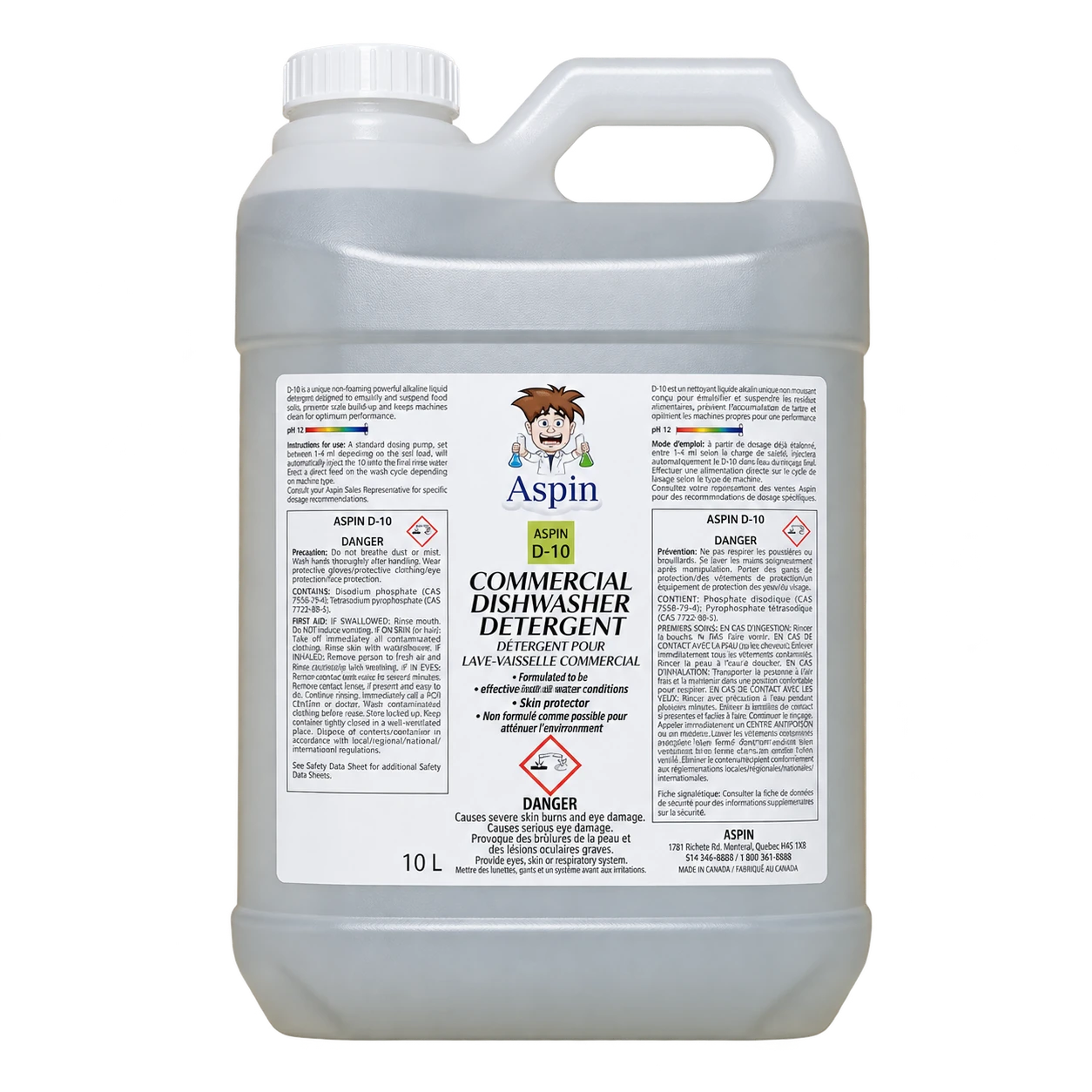
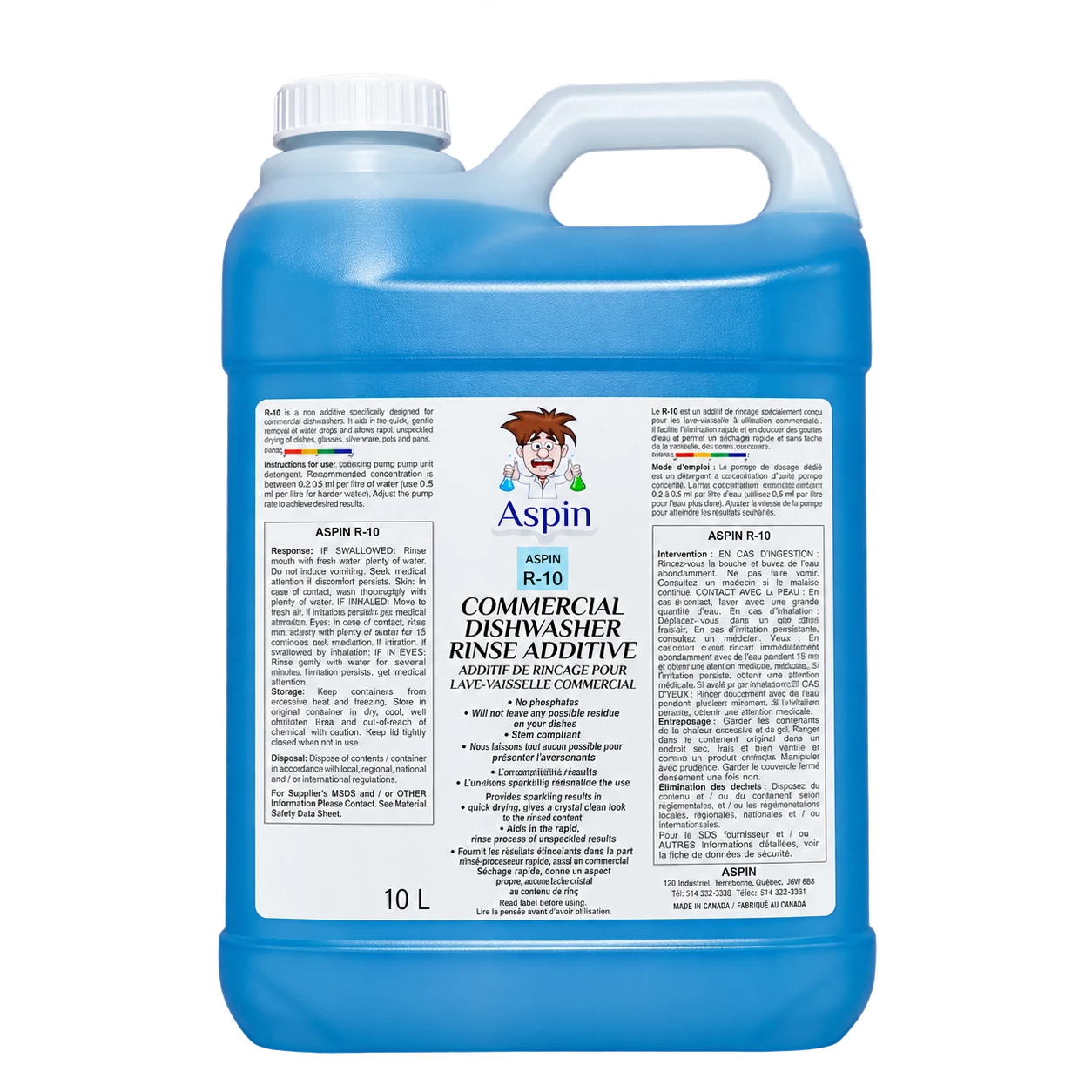
The rewash tracking guide provides a practical reporting structure. For product information, compare D-10 and R-10, and use the equipment manual and your site’s procedures for the required operating checks.