
Water quality can enter a dishwashing discussion when staff notice spots, deposits or changing results. Those observations are useful, but they do not identify the cause by themselves. Gather the information a qualified service provider needs before requesting a treatment or chemical change.
Find the existing information
Ask who maintains any water-treatment equipment serving the dishwasher. Locate the service history and any relevant test report. Record the report date, sampling location and what was measured so an old or unrelated result is not treated as a current answer.
A general municipal report and a measurement at a particular piece of equipment answer different questions. Share both with the responsible specialist where available, and let that person explain which information applies to the complaint.
Describe the operating issue
Document the visible symptom, affected ware and time pattern. Include photographs and any recent changes in supply, treatment equipment or machine servicing. Avoid calling every mark “hard water” before an assessment has been made.
Questions for the consultation can include:
- Which measurements are relevant to this machine and symptom?
- Where should a representative sample be taken?
- Does the equipment manufacturer specify water requirements?
- Is existing treatment equipment operating as intended?
- Who will document and verify any recommended change?
Coordinate the parties
The machine technician, chemical supplier and water-treatment provider may hold different parts of the picture. Keep one site contact responsible for collecting their findings. That reduces the chance of separate adjustments being made without anyone seeing the combined effect.
For example, a detergent setting should not be changed simply because another supplier mentions a water concern. Record the basis of the recommendation and how it will be checked under normal operating conditions.
Keep a before-and-after record
After an approved intervention, repeat the original observation method with comparable ware and rack loading. Add the service date and relevant test information to the machine file.
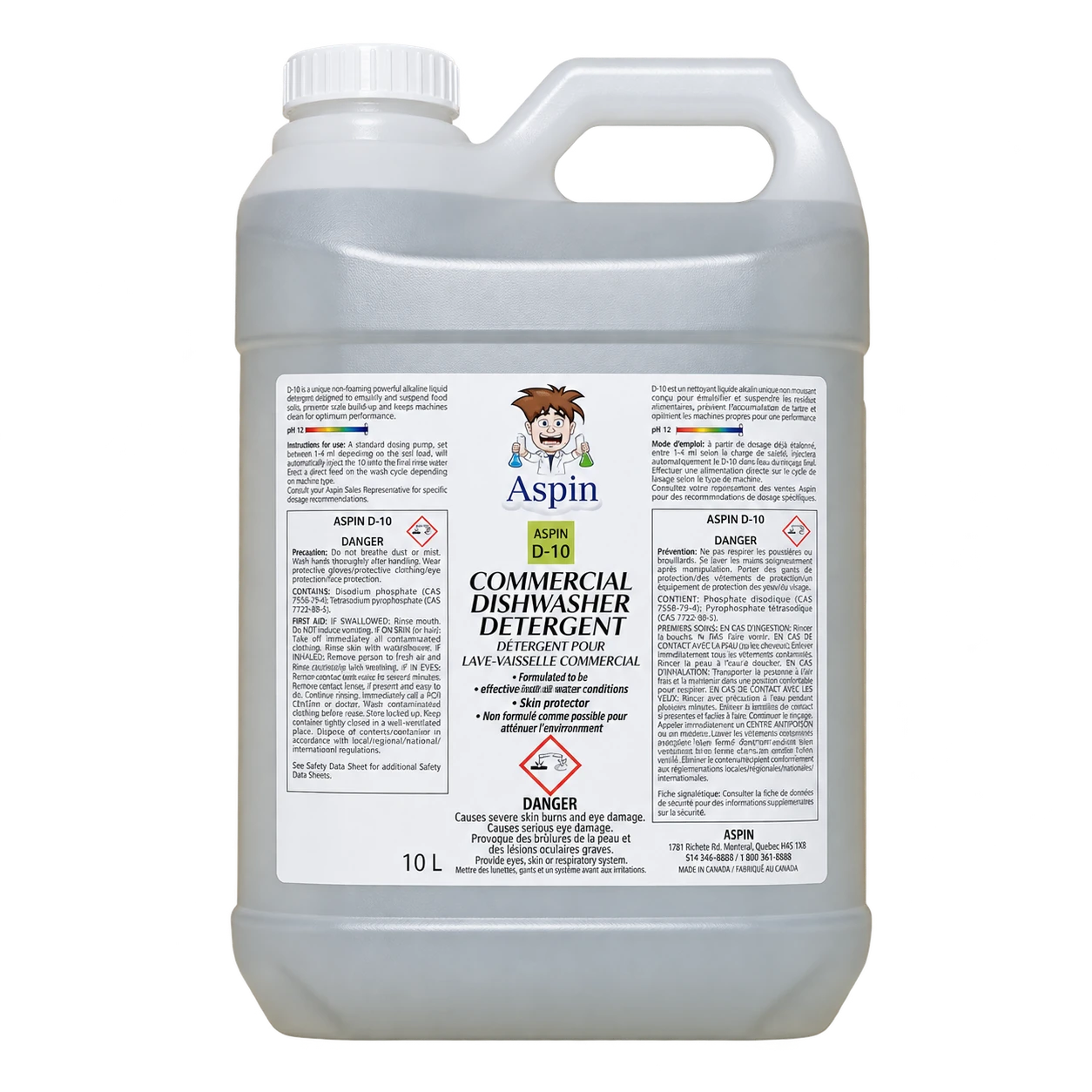
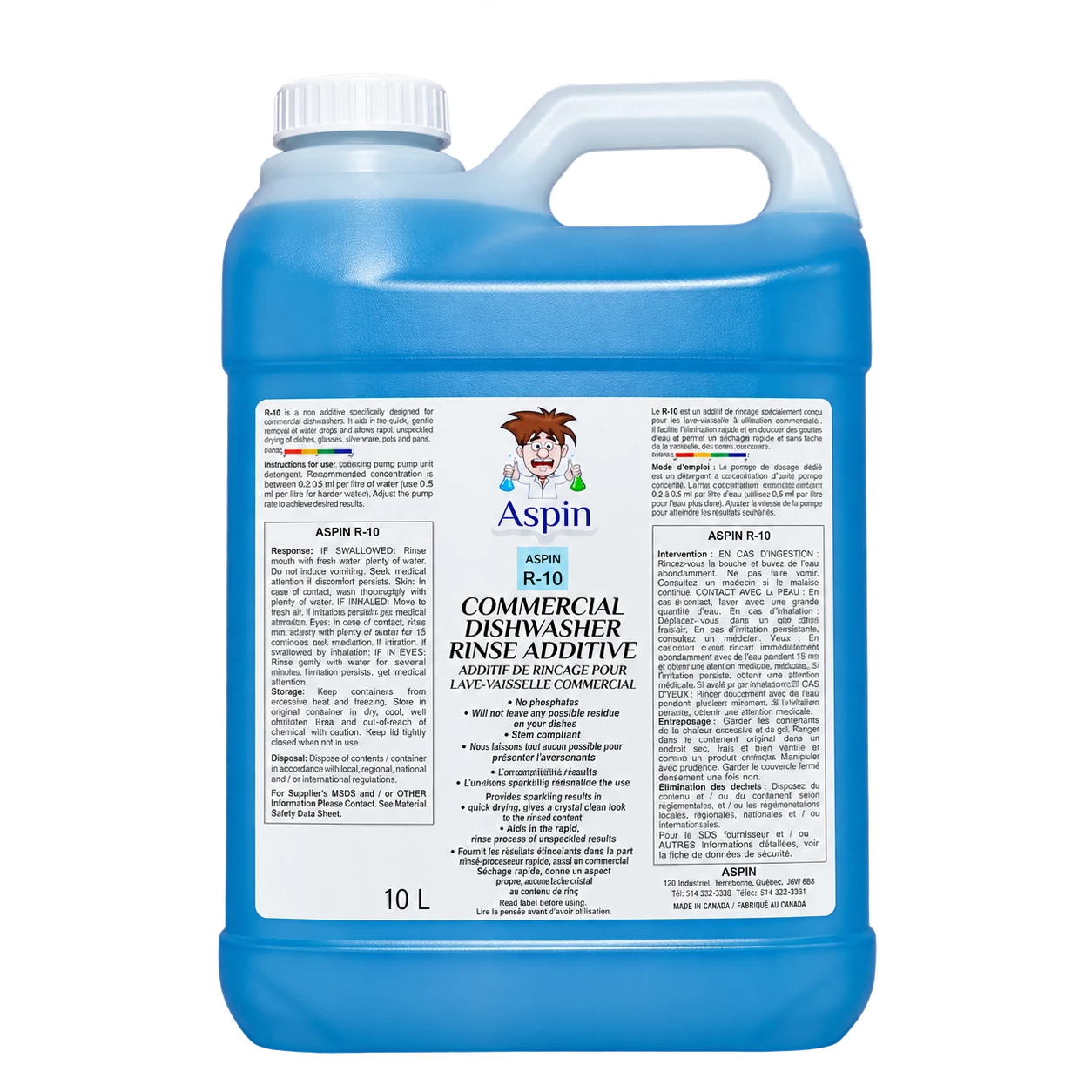
Use the water-spot record to describe the result. Aspin can discuss its detergent and rinse-additive products as part of your broader equipment support conversation.